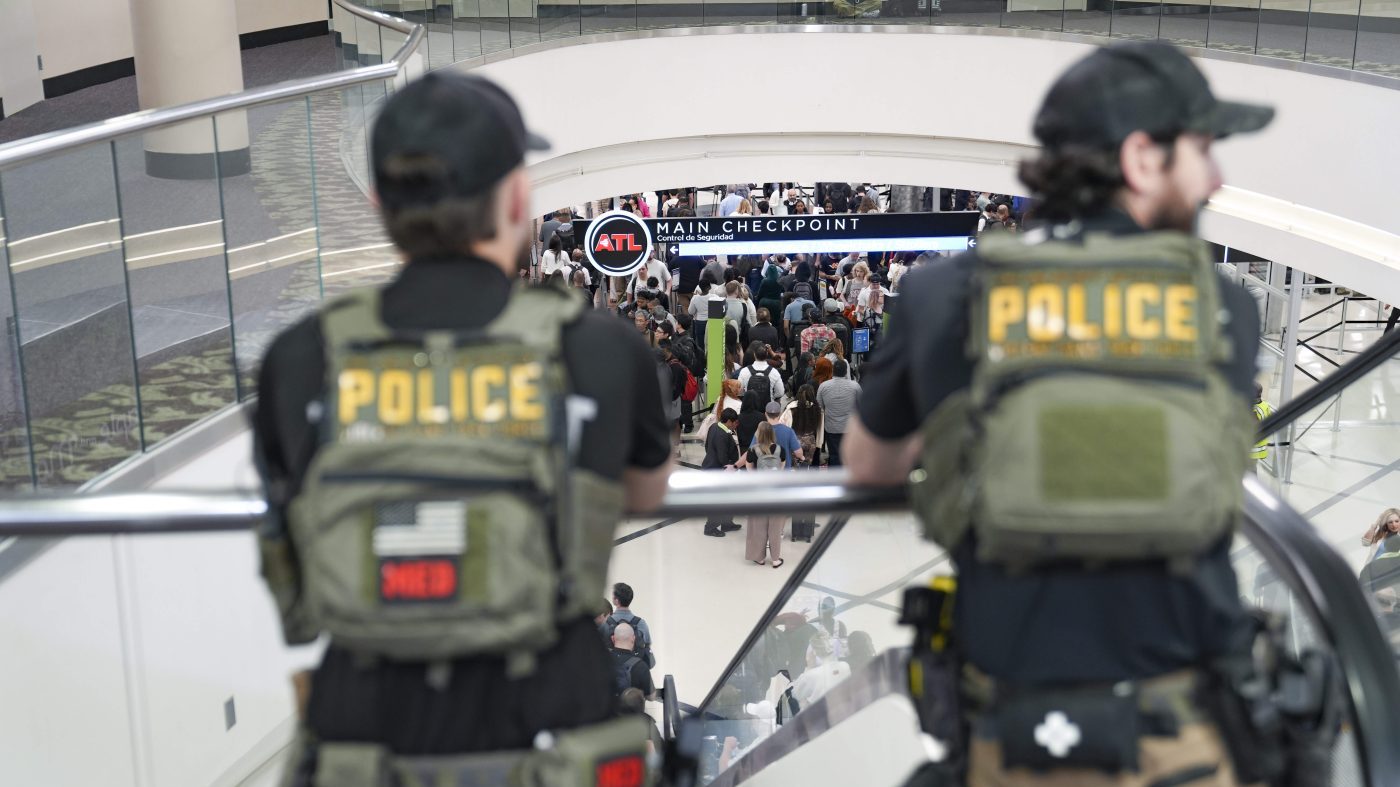
Immigration and Customs Enforcement officers have been deployed to at least fourteen major U.S. airports this week, a move ordered by President Trump as a partial government shutdown continues to strain Transportation Security Administration operations. The deployment, which began Monday, places federal immigration officers in passenger screening areas where TSA agents, many working without pay, have struggled with staffing shortages and lengthening security lines.
Operational Secrecy and Conflicting Statements
The Department of Homeland Security has refused to publicly identify which airports are receiving ICE personnel, citing operational security concerns. This lack of transparency contrasts with statements from White House border czar Tom Homan, who confirmed the number of airports involved on Monday. Homan framed the deployment as a necessary response to security line delays, which he attributed to Democratic resistance to administration funding proposals.

"We have ICE officers deployed to 14 airports," Homan stated. "They are there to help Americans transit security lines that were made longer by this shutdown." The decision represents an unusual use of immigration enforcement personnel in domestic airport security operations, a domain typically reserved for TSA and, in some cases, National Guard units during emergencies.
Mission Scope and Political Controversy
Administration officials have moved quickly to clarify the officers' mandate, seeking to quell concerns that the deployment could lead to immigration enforcement actions within domestic terminals. When asked directly if ICE officers would be making immigration-related arrests, Homan was categorical: "They are there to assist TSA agents with security alone." He added Sunday that the officers would not perform specialized TSA duties like checking traveler identification at screening area entrances.
Acting ICE Director Todd Lyons, speaking in Memphis, echoed this limited scope. "Our officers are going to make sure those lines move," Lyons said, emphasizing a logistical support role. However, the deployment has already sparked criticism from opponents who argue that ICE officers lack specific training for airport security functions, potentially creating new vulnerabilities even as they address staffing gaps.
The airport chaos comes as President Trump faces mounting pressure to resolve the Department of Homeland Security funding impasse. Recent reporting suggests the administration may be softening its demands for full ICE funding in a potential compromise deal. This political maneuvering occurs alongside other foreign policy challenges, including escalating tensions with Iran that have divided some of the president's traditional allies.
Internally, the administration is also managing leadership changes at DHS, with new acting secretary Mark Mullin taking the helm while a FEMA review council considers significant staff and aid reductions. These concurrent developments highlight the broader operational and political stresses on the homeland security apparatus during an extended period of budgetary conflict.
The airport deployment represents a tangible, public-facing consequence of the shutdown, putting federal officers with arrest authority in direct contact with travelers during a period of heightened political tension over immigration policy. While administration officials insist the mission is purely supportive, the presence of ICE at security checkpoints inevitably blurs the lines between transportation security and immigration enforcement in the public consciousness.