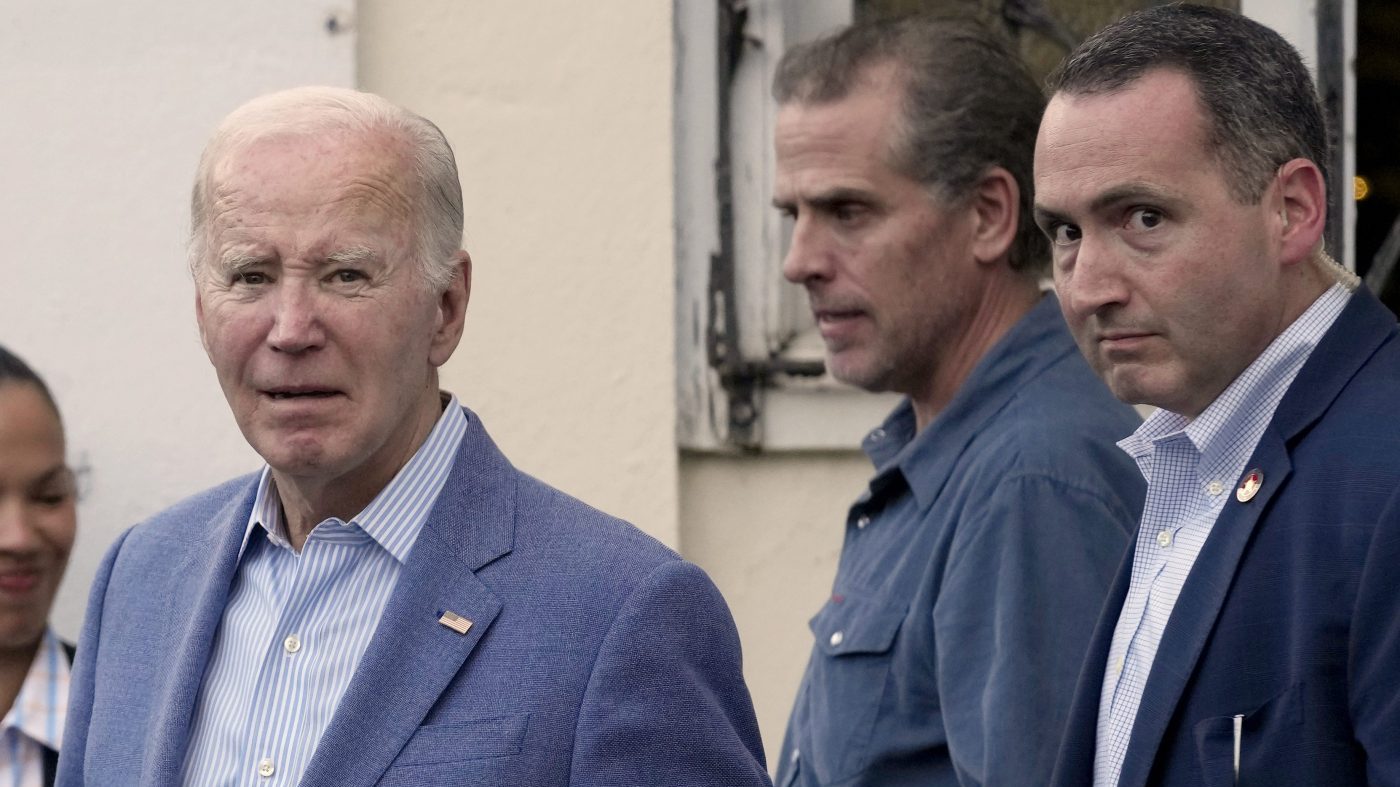
Hunter Biden, the son of former President Joe Biden, conceded in an interview with the BBC's Newsnight that the sweeping pardon he received in December 2024 was “not good” for the American people or his father’s historical standing. The younger Biden, who was facing federal gun and tax charges, acknowledged that the clemency decision — despite his gratitude — was a political liability for his father.
“It’s something that is easily criticized and for good reason,” Hunter told the outlet. “It’s not fair.” He went on to describe himself as “the most privileged person there is,” noting that only his father could have granted such relief.
The pardon, which covered offenses from January 2014 through December 2024, wiped away Hunter’s conviction on federal gun charges and his guilty pleas on tax evasion. The former president had repeatedly insisted he would not intervene in his son’s legal troubles, making the pardon a sharp reversal that drew bipartisan criticism.
Hunter acknowledged the backlash, saying, “Was it good for our Constitution? Was it good for the American people? Was it good for my father’s legacy? No on all counts.” He added that he was “eternally grateful” for the pardon, but he understood why it was controversial.
In a statement announcing the pardon, President Biden argued that his son had been “selectively, and unfairly, prosecuted” and that he hoped Americans would understand the decision. The move came as the former president faced mounting criticism from both parties, with some comparing it to the controversial pardon of Dr. Anthony Fauci that also drew scrutiny.
Hunter told the BBC that he and his father never discussed the possibility of a pardon before it was granted, citing the risk of leaks. “There is no way that you can have those kinds of discussions that would not become public,” he said. He also suggested that President Trump’s incoming administration would have sought retribution against him, calling the pardon a necessary protection.
The interview comes as the political fallout from the pardon continues, with some Democrats distancing themselves from the decision. The controversy has also fueled debates over presidential clemency powers, as seen in the Senate’s unanimous block on any pardon for Ghislaine Maxwell.
Hunter’s remarks are likely to add fuel to the ongoing discussion about the former president’s legacy, which has already been a subject of debate among historians and political observers. Some have questioned whether Biden’s decision was an isolated act of paternal mercy or part of a broader pattern of controversial pardons, including the Fauci pardon that clashed with a Fifth Amendment standoff.
For now, Hunter’s candid assessment underscores the personal and political costs of the decision. “I was the only one in the world that could have gotten what I got from the only person in the world who could give it: my father,” he said. But he admitted that the pardon’s legacy will be complicated, even as he expressed gratitude for the second chance.