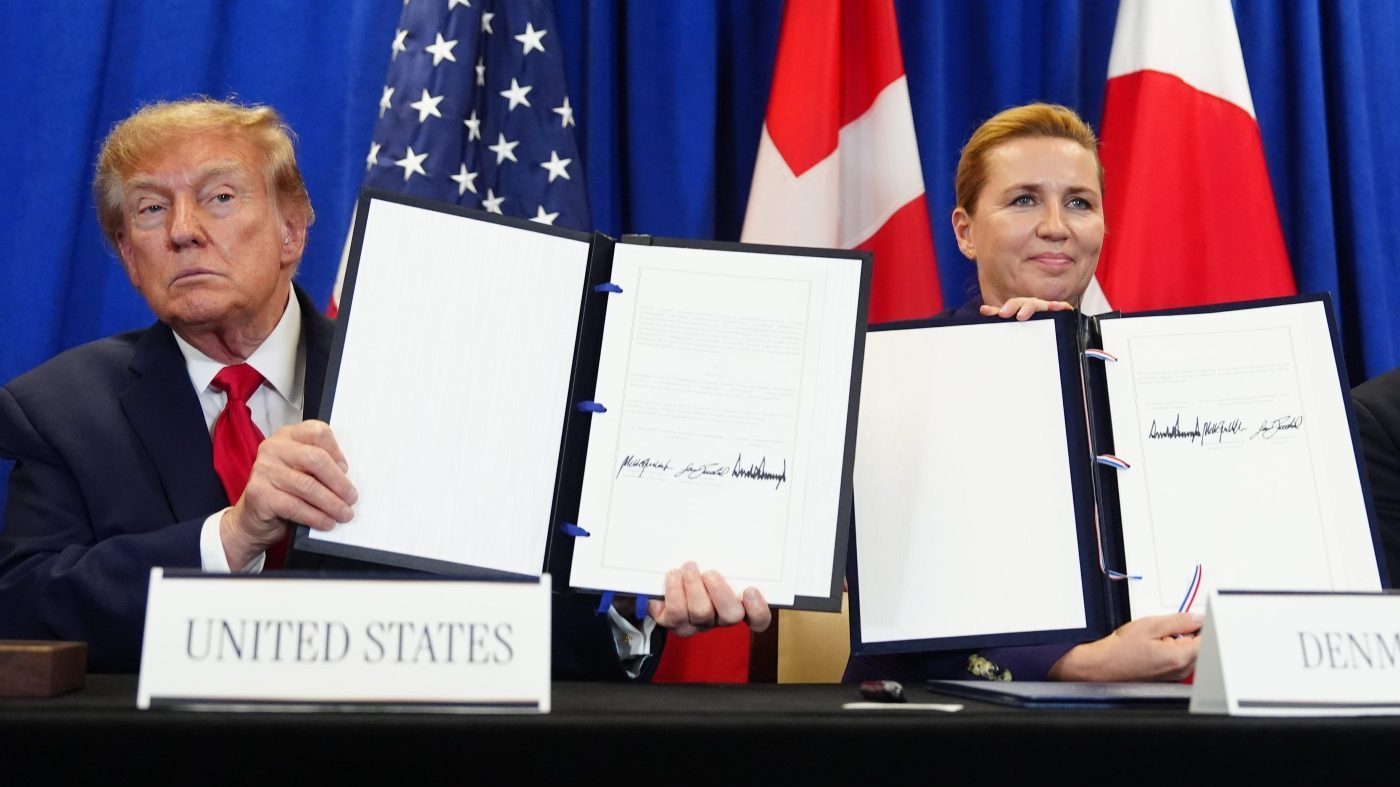
President Donald Trump on Tuesday signed a trilateral security agreement with Greenland and Denmark on the sidelines of the United Nations General Assembly in New York City, formalizing a pact that will see the United States establish two new military bases on the Arctic island.
During the signing ceremony, Trump hailed the agreement as the foundation for a "tremendous relationship" and a "secure relationship," vowing that the three parties would "be working very hard and very much in conjunction with each other." The deal, first unveiled by the president earlier this month, marks a significant expansion of US military presence in the resource-rich and strategically vital Arctic region.
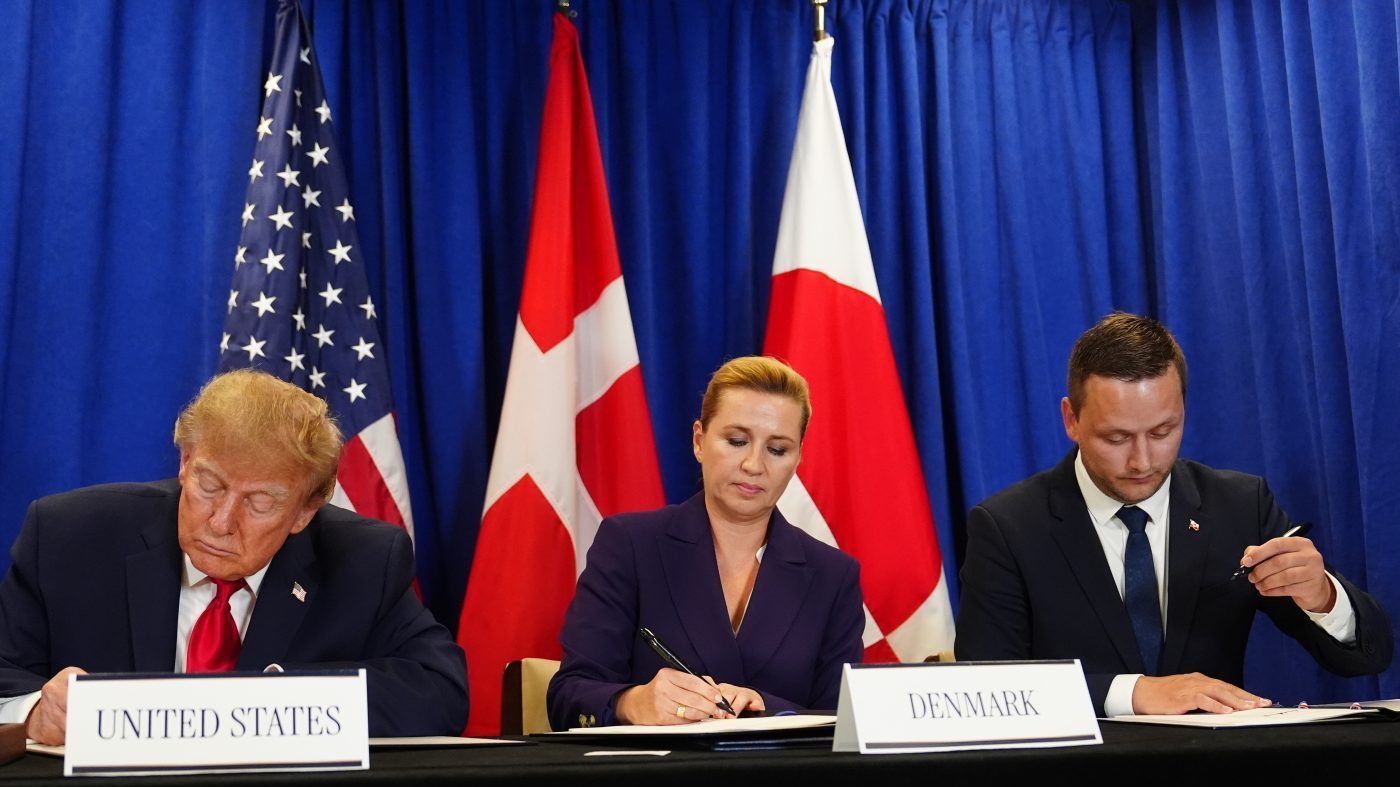
The agreement comes after months of controversy over the Trump administration's earlier threats to take over Greenland, a semi-autonomous territory of the Kingdom of Denmark. Those threats had strained relations with Copenhagen and Nuuk, but Tuesday's signing appears to signal a shift toward formalized cooperation.
Strategic Implications
The new bases will bolster US capabilities in the Arctic, a region where Russia and China have been increasing their military and economic activity. The island's location along potential shipping routes and its vast mineral and energy reserves make it a key geopolitical prize. The pact is seen as a way to counterbalance that influence while reassuring allies of Washington's commitment to the region's security.
Danish Prime Minister Mette Frederiksen, who participated in the signing, has previously described the US interest in Greenland as "absurd," but has also emphasized the importance of close US-Danish defense cooperation. The new agreement appears to bridge that gap, focusing on mutual security rather than territorial ambitions.
Greenland's Prime Minister, Múte Bourup Egede, also attended, underscoring the island's role as an equal partner in the arrangement. The bases are expected to create local jobs and infrastructure improvements, though details on their locations and operational timelines have not yet been disclosed.
Political Context
The signing took place against the backdrop of a busy UNGA schedule, where Trump has also addressed Iran, the cartels, and other issues. The president's UN address is expected to touch on these themes, and the Greenland deal serves as a tangible achievement to tout. However, critics at home and abroad remain wary of the administration's unilateralist tendencies, particularly given the earlier talk of a forced purchase.
The agreement also comes as the White House faces scrutiny on multiple fronts, including a probe into its voter data operation and a press feud with CNN. The Greenland pact, however, offers a bipartisan point of potential support, as Arctic security has traditionally been a shared concern.
With the deal now signed, the focus shifts to implementation. The United States already operates the Thule Air Base in Greenland, and the new installations will expand its footprint. This move is likely to be watched closely by NATO allies, as it reinforces the alliance's northern flank.
As Trump put it, the agreement is about building a "secure relationship" that will endure. Whether it fully repairs the trust damaged by earlier threats remains to be seen, but for now, the three governments have a signed document to build upon.