As working families grapple with rising costs at the grocery store, the gas pump, and for housing and healthcare, the 2026 election is shaping up to be a referendum on affordability. Both parties are vying to convince voters they have the answers, but outgoing House Majority Leader Steny Hoyer argues that only Democrats have a proven track record of delivering results.
In a pointed op-ed, Hoyer, a Maryland Democrat retiring after more than four decades in Congress, contrasts the legislative achievements of the 117th Congress (2021-2023) with what he calls the Republicans' failure to act on economic concerns. He highlights the CHIPS and Science Act and the Inflation Reduction Act, both signed in August 2022, as key examples of Democrats using their narrow majorities to address affordability and spur innovation.

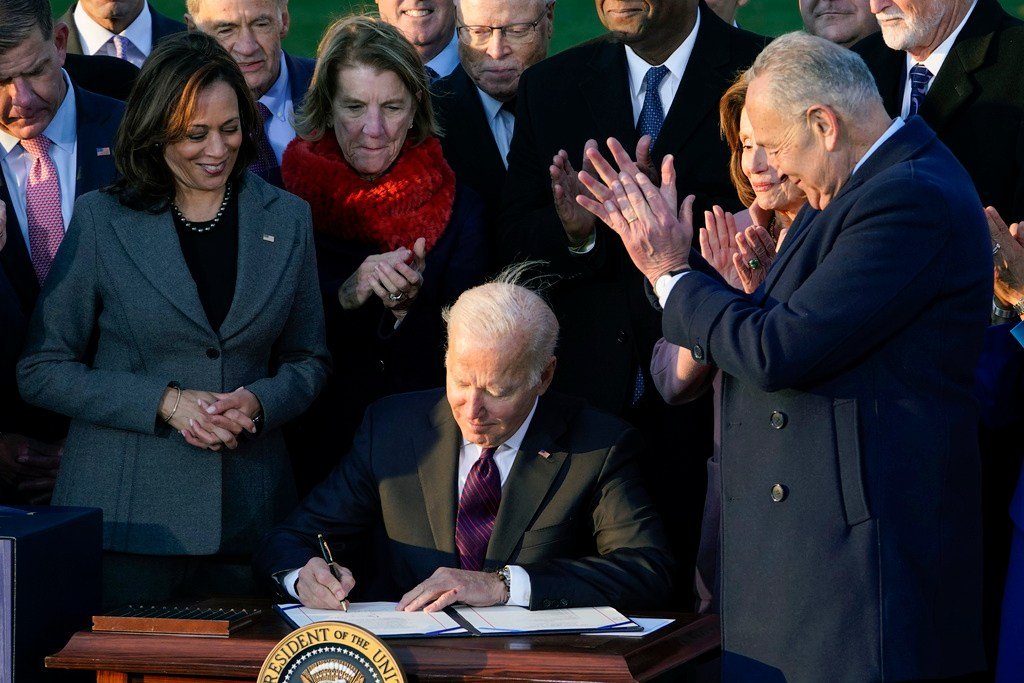
"In one month, our Democratic majority delivered more on affordability, innovation and accountability than the Republican majority has in nearly four years since," Hoyer writes, referring to the August 2022 legislative burst. He also points to the bipartisan infrastructure law passed in November 2021, which invested over half a trillion dollars in jobs, water and energy systems, and expanded high-speed internet access to underserved areas.
Hoyer accuses Republicans of exacerbating the affordability crisis, citing their efforts to cut Medicaid, support tariffs that raise consumer costs, and allow Affordable Care Act tax credits to lapse—a move that has already stripped hundreds of thousands from the insurance rolls, as recent reports show. He also criticizes the GOP's focus on what he terms a "war of choice" that spikes oil prices and on providing legal protections for President Trump and his allies.
The veteran lawmaker pushes back against the cynicism that Washington cannot work for ordinary Americans, arguing that the 117th Congress proved otherwise despite its tight margins and internal disagreements. "Closely divided government does not have to mean ineffective governing," he asserts, urging voters to judge those in power by their actions.
Hoyer's message comes as Democrats see favorable polling in key races, and as House Minority Leader Hakeem Jeffries makes the case for a Democratic majority. The party is also pressing on issues like tougher AI chip export controls and challenging the administration's Iran policy.
With Republicans controlling the House, Hoyer argues they have failed to meet the moment. "They're even doing everything they can to make the affordability crisis worse," he charges, pointing to their legislative priorities. He contrasts that with the Democrats' record of lowering healthcare costs, making tax filing easier, and requiring large corporations to pay their fair share.
Hoyer's farewell message is a call to action: "Let's make sure the next Congress is led by those ready to roll up their sleeves, work together despite party labels, and meet the high expectations Americans ought to have for those in power." He concludes with a warning: "Frankly, we can't afford not to."