The Trump administration has moved to drop roughly 760,000 people from Affordable Care Act coverage, a decision that thrusts the nation's health-care affordability crisis back into the political spotlight just weeks before the midterm elections.
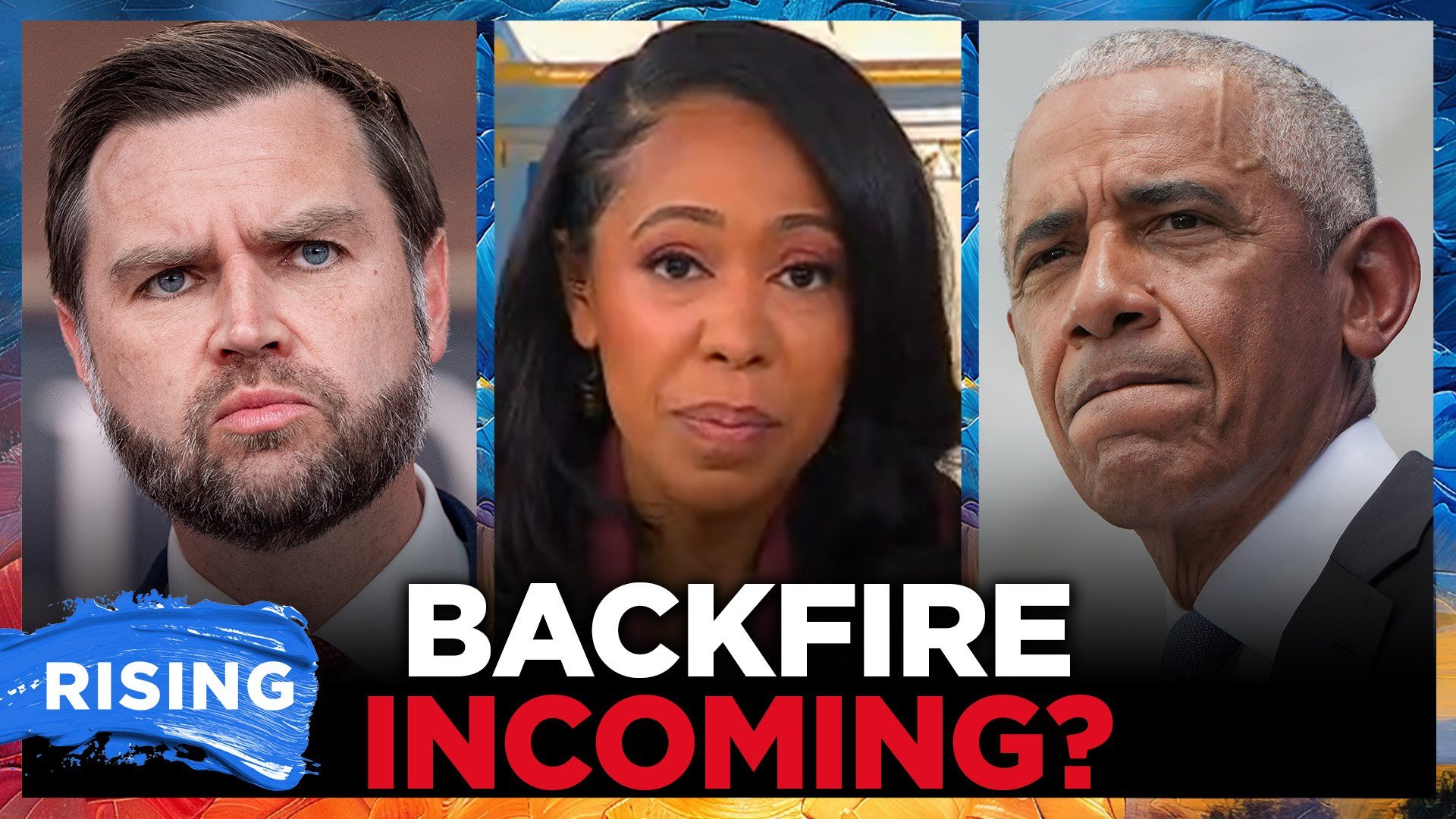
Vice President JD Vance announced the action, asserting that those being removed are either "phantom" enrollees or otherwise ineligible. "We are stopping ObamaCare enrollment for about 760,000 people who we believe are fraudulently enrolled in the program," Vance said.
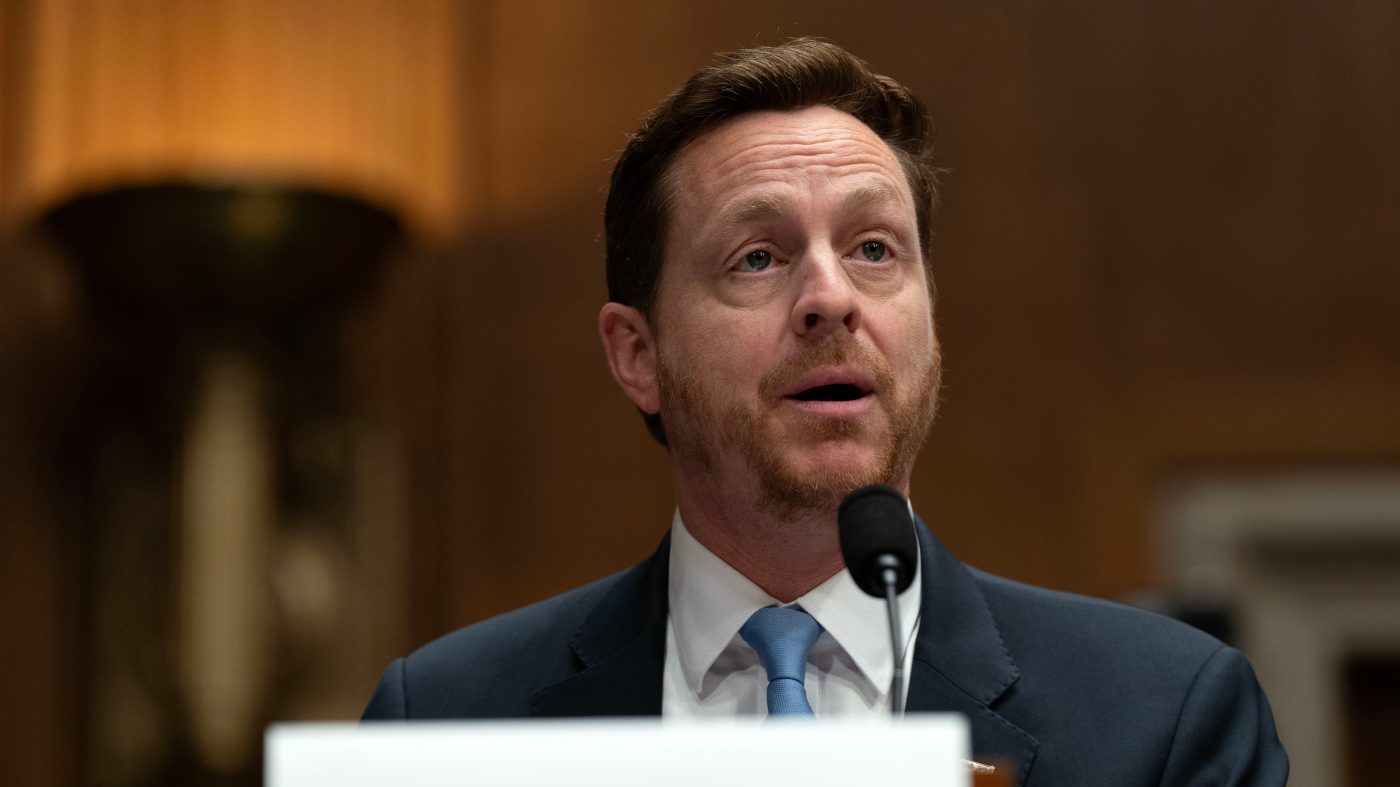
Dr. Mehmet Oz, who leads the Centers for Medicare and Medicaid Services, amplified the claim, saying the administration has tried repeatedly to reach these individuals. "760,000 people, we call them phantoms, because we believe these people don't exist or don't know they have coverage," Oz said. "We believe this because we have been writing them, telexing them, walking to them, FedExing them, whatever we believe we could possibly do to get in touch with them. They won't answer and they have never filed a claim."
But the administration's logic conflates two very different things: not using insurance and not needing it. People buy coverage precisely because they may go months—or even years—without filing a claim. Penalizing them for staying healthy turns the basic purpose of insurance on its head.
The move comes as ACA enrollment has already fallen sharply. About 19.2 million people signed up for Marketplace coverage this year, down from 21.8 million in 2025. KFF attributes much of that decline to the expiration of ACA tax credits, which drove up costs for many consumers.
So Americans are already absorbing higher health-care costs, and the administration's next step is to strip hundreds of thousands of them of access to care. Cutting people from health programs when their premiums have already skyrocketed is a politically volatile decision—and one that lands just before voters head to the polls.
The timing threatens to deepen the affordability squeeze. Inflation remains elevated, gas prices are up, and health-care costs are higher than a year ago. Republicans, who are already facing headwinds on economic issues, may find this decision hard to defend on the campaign trail. Recent polling shows Trump's disapproval peaking amid economic anxiety, a warning sign for the party in power.
Fraud in government health programs is a legitimate concern, and taxpayers deserve aggressive enforcement. But the administration's record on health-care fraud is riddled with inconsistencies. At least 21 people convicted of health-care fraud have received a pardon or commutation from President Trump. Philip Esformes, convicted in a $1.3 billion Medicare and Medicaid fraud scheme, saw his 20-year sentence commuted. Judith Negron, convicted of money laundering and health-care fraud involving hundreds of millions of dollars, also received a commutation. Justice Department records show both still owed restitution—obligations they will now never repay.
Meanwhile, the White House has yet to offer a viable health-care alternative. In January, Trump unveiled the "Great Healthcare Plan," which promised to lower premiums but offered no mechanism for doing so, instead punting the legislative details to Congress. Eight months later, no such bill has emerged.
The administration's focus on removing enrollees, rather than expanding access or lowering costs, leaves a gaping hole in its health-care agenda. As the midterms approach, Republicans would be wise to read the room—voters are worried about affording care, not about phantom enrollees.