A House Education and Workforce subcommittee is set to hold a hearing on the growing prevalence of sports gambling on college campuses, a topic that has drawn increasing concern from lawmakers, university officials, and athletic conferences. The session, scheduled to begin at 10:15 a.m. EST, will examine the implications for student-athlete well-being and the integrity of collegiate competition.
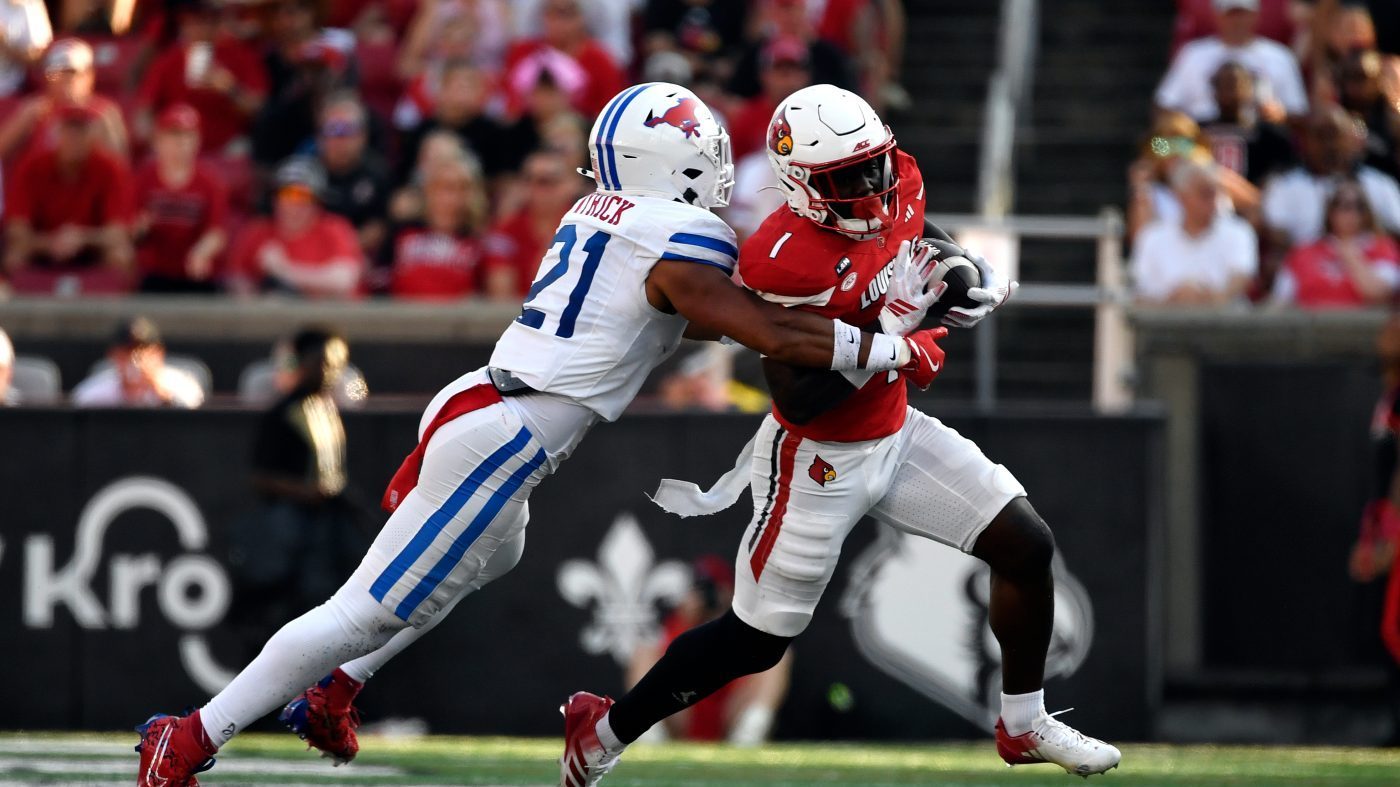
The hearing comes as the NCAA confronts a wave of gambling-related controversies, including reports of athletes being harassed by bettors and cases of wagering tied to individual player performances. These incidents have intensified pressure on the association to adopt stricter safeguards, and the issue has also captured the attention of Congress.
Lawmakers are currently weighing the bipartisan Protect College Sports Act, which passed the Senate in September but has yet to secure a path forward in the House. The legislation would establish federal standards for sports betting oversight in college athletics, addressing concerns that state-by-state regulations are insufficient to protect athletes and the sport's credibility.
The NCAA has been a vocal advocate for restrictions on so-called prop bets—wagers on specific player statistics or outcomes—arguing that such bets expose athletes to undue harassment and potential manipulation. The association has warned that these bets can create perverse incentives and undermine the fairness of competition.
During the hearing, subcommittee members are expected to hear testimony from a range of witnesses, including university administrators, athletics officials, and gambling policy experts. The discussion will likely delve into the effectiveness of current NCAA rules, the role of state regulators, and the potential benefits and drawbacks of federal intervention.
This legislative scrutiny arrives amid broader debates over the future of college sports governance. Earlier this year, a transparency bill for college sports hit roadblocks as the NCAA faced internal turmoil, and Florida Governor Ron DeSantis criticized a 24-team playoff format, calling it a detriment to the sport. These developments highlight the complex environment in which the current gambling debate is unfolding.
The hearing also touches on broader concerns about the financial and social impacts of gambling, particularly among young adults. A recent survey suggested that women's sports betting is surging, raising alarms over financial harm and addiction, underscoring the need for careful policy consideration.
As the NCAA pushes for federal action, the outcome of this hearing could shape the legislative agenda in the coming months. With the Protect College Sports Act stalled, advocates are hoping that today's testimony will galvanize support for new measures to safeguard college athletes and preserve the integrity of amateur sports.
Observers note that the issue carries political weight, with both parties expressing concern about the rapid expansion of legalized sports betting since the Supreme Court's 2018 ruling that allowed states to authorize it. The hearing represents a key opportunity for lawmakers to signal their priorities on this contentious issue.