The House of Representatives delivered a decisive bipartisan vote Tuesday to advance sweeping aviation safety reforms, aiming to close gaps exposed by last year's catastrophic mid-air collision over Washington, D.C. Lawmakers approved the ALERT Act by a margin of 396 to 10, a show of force that sends the measure to the Senate after a narrower, failed attempt in February.
Legislative Response to Tragedy
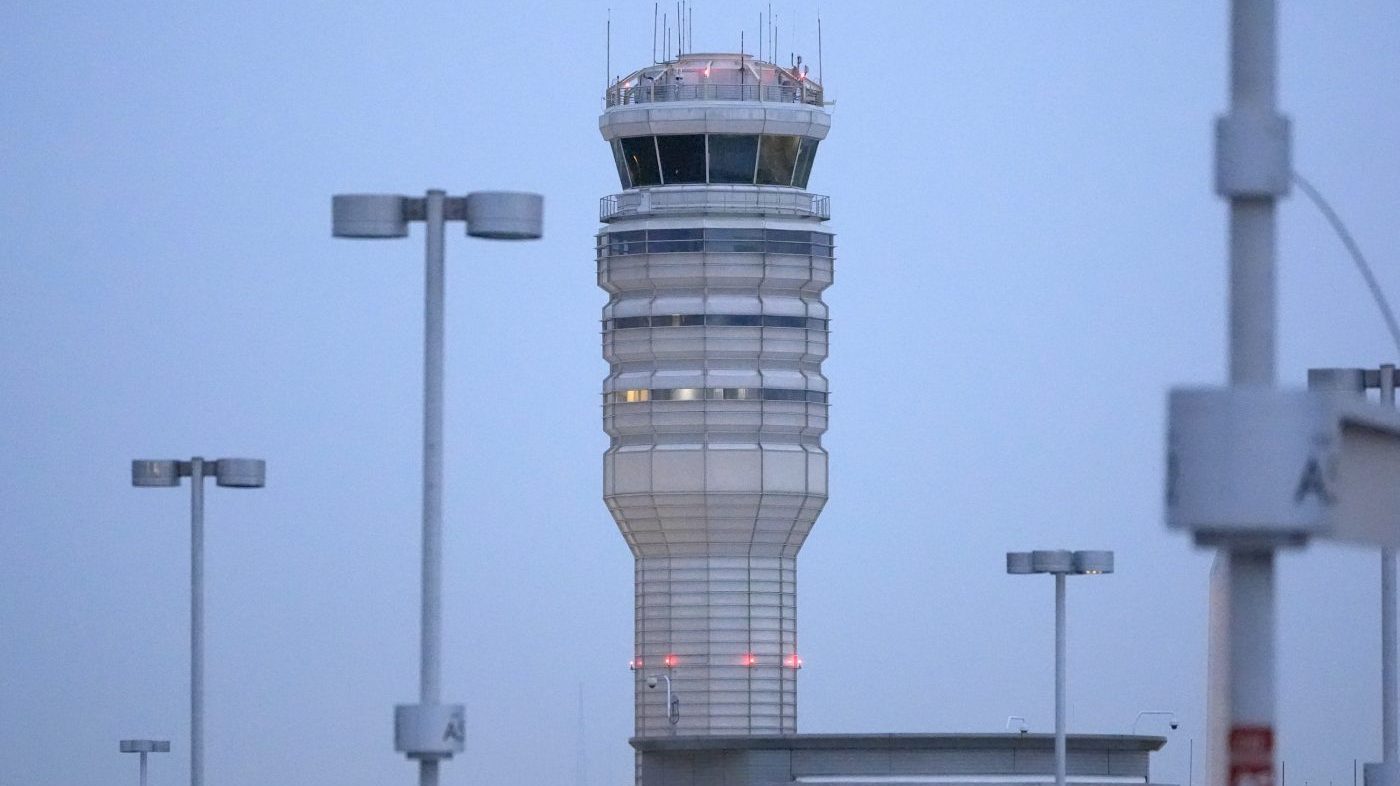
The bill is a direct congressional answer to the January 2025 disaster near Reagan Washington National Airport, where an Army Black Hawk helicopter and an American Airlines passenger jet collided, killing all 67 people aboard both aircraft. The National Transportation Safety Board (NTSB) investigation highlighted critical failures, including the fact that the helicopter's Automatic Dependent Surveillance-Broadcast (ADS-B) tracking technology was turned off at the time of the crash.

"The bipartisan ALERT Act is a comprehensive package that addresses the probable cause, contributing factors and responds to all 50 safety recommendations that were issued by the NTSB," said House Transportation and Infrastructure Committee Chairman Sam Graves (R-Mo.), who introduced the bill alongside House Armed Services Chairman Mike Rogers (R-Ala.).
Core Provisions of the ALERT Act
The legislation mandates a multi-pronged approach to preventing future collisions in congested airspace. Its key requirements include:
- New Technology Mandates: Pilots operating in high-traffic areas must use enhanced collision-prevention systems to more precisely track nearby aircraft.
- Route Overhauls: A restructuring of helicopter flight paths around major airports to minimize conflict with commercial airliners.
- Procedure Updates: Revised air traffic control protocols and enhanced training for controllers.
- Military Compliance: Requires military aircraft to have ADS-B technology activated during routine training flights, though exemptions remain for sensitive missions.
This push for technological safeguards in transportation echoes broader legislative trends, such as the growing momentum for child safety legislation driven by legal actions against tech platforms, and initiatives focused on children's digital safety.
Path Through Congress
The ALERT Act's passage follows the February failure of a related bill, the Rotorcraft Operations Transparency and Oversight Reform (ROTOR) Act, which fell just one vote short of the two-thirds majority needed under suspension of the rules. That Senate-originated bill, championed by Commerce Committee Chair Ted Cruz (R-Texas), also focused on ADS-B adoption.
Despite the overwhelming House vote, the ALERT Act faces scrutiny in the Senate. Key figures including Senator Cruz and Senator Maria Cantwell (D-Wash.), who chairs the Senate Commerce Committee, have expressed concerns that the bill does not go far enough. Families of the crash victims have similarly advocated for stronger provisions, setting the stage for potential negotiations.
The legislative effort underscores how high-profile failures can catalyze policy action across domains, not unlike how analysis of pandemic school aid is shaping future education funding debates.
Broader Political Context
The bill's advancement occurs amid a charged political landscape where safety, regulation, and technological adoption are frequent flashpoints. The aviation industry's major groups largely support the ALERT Act, viewing it as a necessary, targeted fix. However, the debate mirrors tensions seen in other sectors, such as the contentious debate over autonomous vehicle pilots in New York City, where safety concerns clash with economic and labor considerations.
As the Senate prepares to take up the legislation, the focus will be on whether lawmakers can reconcile the House's framework with demands for more stringent requirements. The outcome will test the bipartisan consensus on aviation safety and determine the regulatory legacy of one of the deadliest peacetime aviation accidents in the capital region's history.