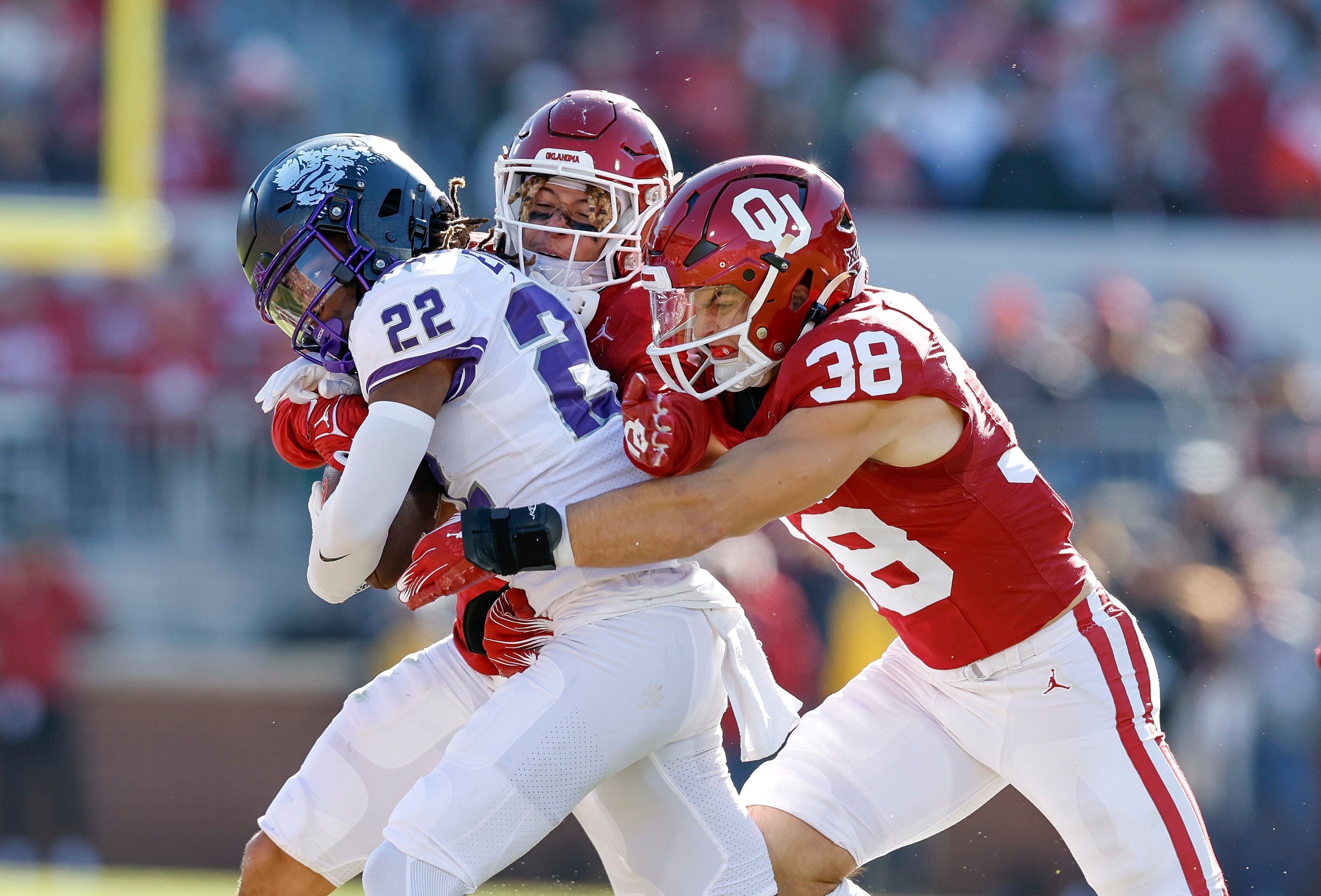
House GOP leaders have pulled the SCORE Act from the floor schedule this week, marking the second time in less than a year that the legislation has stalled amid bipartisan criticism. The bill, which sought to grant the NCAA limited antitrust protections as it navigates legal battles over athlete compensation and eligibility, faced a fatal blow Monday when the Congressional Black Caucus formally announced its opposition.
The Congressional Black Caucus argued that the legislation would primarily benefit powerful athletic programs while ignoring broader racial justice issues. In a statement, the CBC said the bill would “benefit major athletic institutions that continue to remain silent while Black voting rights and Black political power are being systematically dismantled across the South.” The group highlighted that Black athletes have been central to the success of college sports but that the industry’s leaders have not stood up for Black communities facing political attacks.
The CBC’s statement underscored the historical role of Black athletes in building college athletics into a multi-billion-dollar enterprise. “For generations, Black athletes have helped build college athletics into one of the most powerful and profitable industries in American life. The success, visibility, and cultural influence of major athletic conferences and institutions are inseparable from the talent, labor, leadership, and cultural contributions of Black communities,” the caucus said. “Yet at the very moment those same communities face coordinated attacks on their democratic representation, too many leaders across college athletics have chosen silence.”
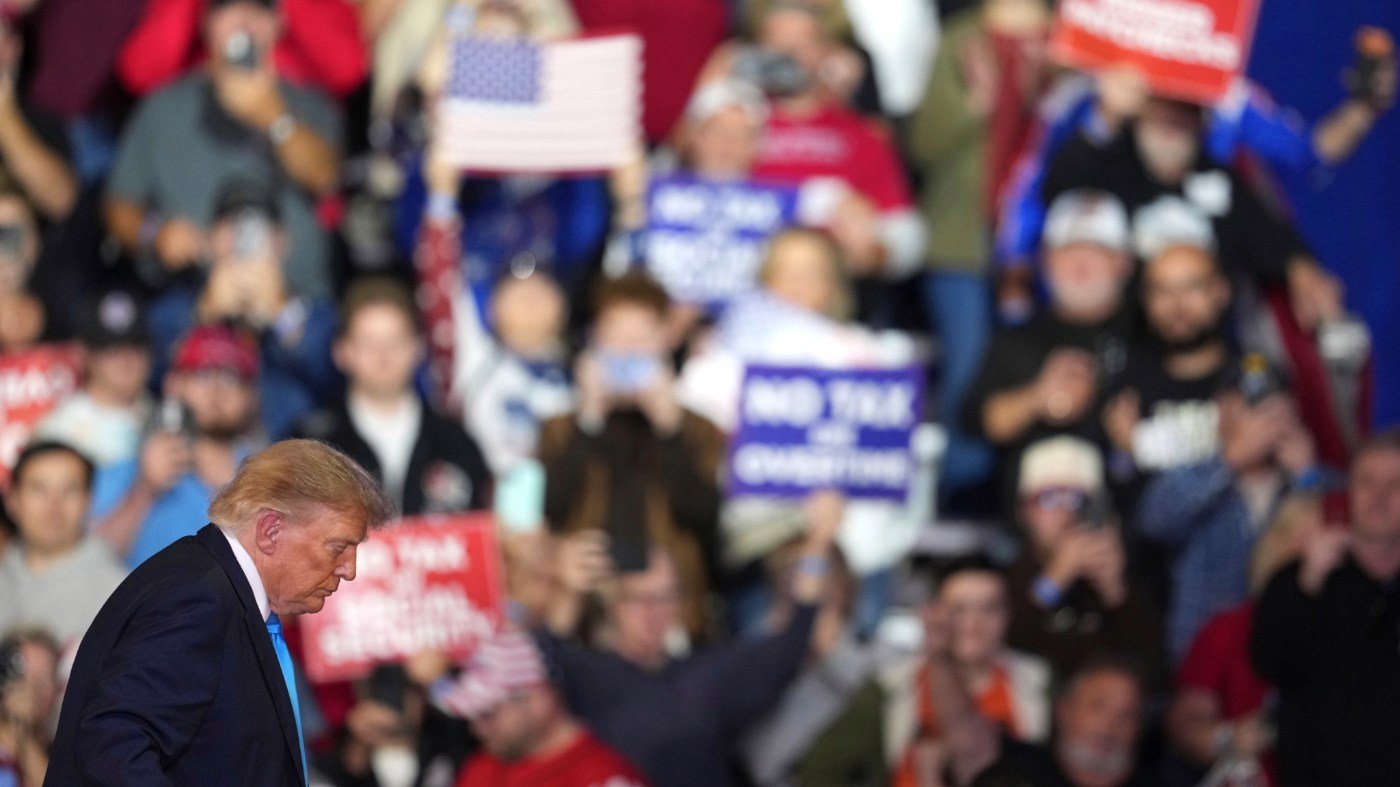
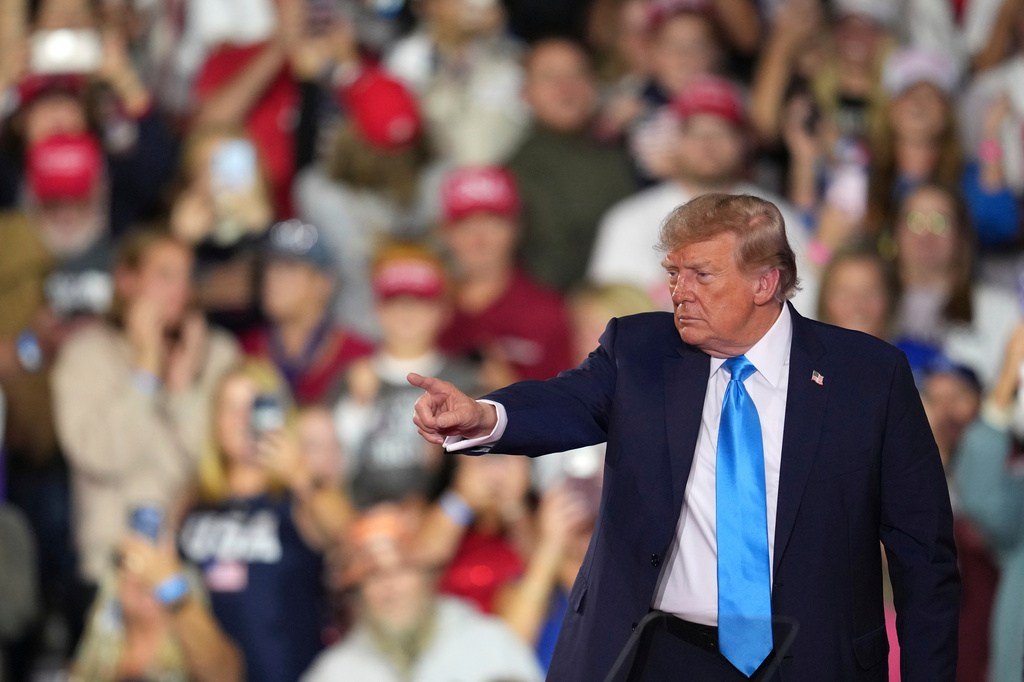
The bill’s collapse is a setback for House Speaker Mike Johnson, who had assured President Trump earlier this year that he had secured enough votes for passage. Trump had publicly supported the measure and vowed to work with lawmakers to “save college sports,” even floating the possibility of an executive order. Johnson had previously attempted to advance a similar version of the SCORE Act last fall but was blocked by conservative Republicans, including Reps. Chip Roy of Texas and Byron Donalds of Florida, who argued it gave the NCAA too much authority.
The NCAA has been pressing Congress for months to intervene as the landscape of college sports undergoes rapid transformation. Student athletes are now earning record sums through name, image, and likeness deals, while the transfer portal has intensified debates over eligibility and competitive balance. NCAA President Charlie Baker has warned that without legislative action, the system could descend into legal chaos. In a recent interview, Baker urged lawmakers to pass the SCORE Act to shield college sports from ongoing court challenges.
The latest setback leaves the future of college sports reform uncertain. While Trump has indicated he may act unilaterally through an executive order, the path forward in Congress remains murky. The House GOP’s internal divisions, combined with opposition from the CBC and some Democrats, suggest that any compromise will require addressing not only antitrust protections but also broader equity concerns.
As the debate continues, the intersection of sports policy and civil rights is likely to remain a flashpoint. The CBC’s move signals that any legislation benefiting major athletic institutions will face scrutiny over its implications for voting rights and racial justice, especially in Southern states where gerrymandering and restrictive voting laws have drawn legal challenges. The Supreme Court’s recent rulings on racial gerrymandering have added urgency to these issues, as states like Louisiana and Florida have faced court orders to redraw majority-Black districts.
For now, the SCORE Act is on ice, and the question of how to balance the interests of athletes, universities, and the NCAA remains unresolved. Whether Congress can forge a path forward—or whether the issue will be left to the courts and the executive branch—will depend on the political will to bridge these deep divides.