House Republicans abruptly ended their pre-election work week on Wednesday, scrapping Thursday's scheduled votes and delaying a politically charged impeachment resolution against Defense Secretary Pete Hegseth until after the midterms.
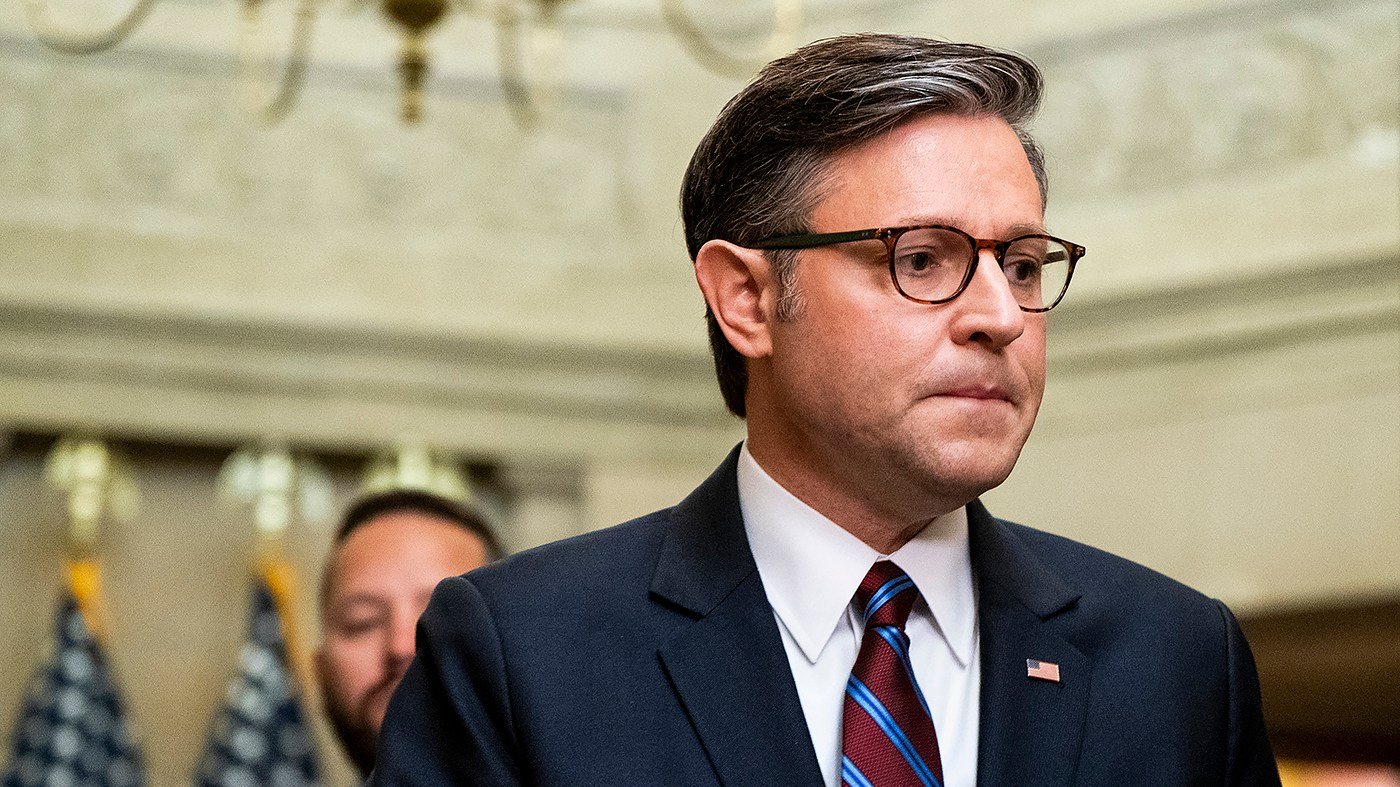
The move, which sent lawmakers home a day early, was widely seen as an effort to spare vulnerable GOP incumbents from taking a difficult vote just weeks before voters decide control of the House. The impeachment push, introduced Tuesday by Rep. Thomas Massie (R-Ky.), caught party leaders off guard, and Speaker Mike Johnson (R-La.) moved quickly to shelve it.
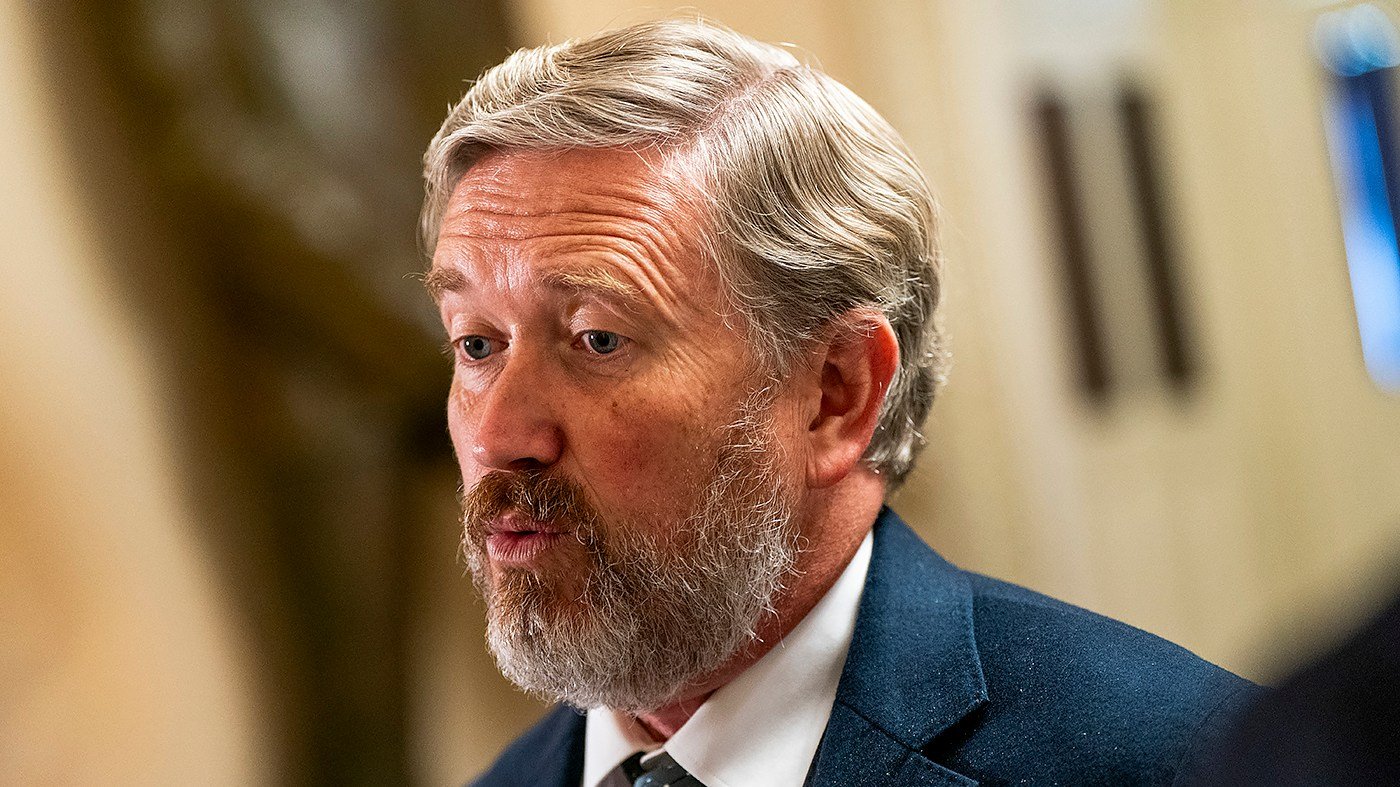
Democrats and Massie accused GOP leadership of dodging the vote. Massie, a frequent critic of the Trump administration, wrote on X: “And there it is. Just as I predicted. They’re canceling Congress tomorrow to avoid the vote on IMPEACHING @SecWar.” Rep. Pramila Jayapal (D-Wash.) called Republicans “incredible cowards,” adding, “Mike Johnson and Donald Trump are so afraid that the Republicans and Democrats in Congress would vote for that resolution of impeachment and that it would pass because they know that what Pete Hegseth has done, his role in driving us into this war, is absolutely wrong, and he needs to be held accountable for it.”
Johnson dismissed the criticism as “ridiculous,” telling reporters that scheduling changes were routine and that Massie’s resolution was a “publicity stunt by someone who wants attention.” He predicted the impeachment measure would be “immediately” rejected when Congress returns in November. “Secretary Hegseth has done an extraordinary job,” Johnson said. “We’re in the middle of international conflicts right now, and we should not be playing games with national security.”
This early exit is not unprecedented—Congress often takes a break before elections—but it was made possible by the passage of a massive spending package in early September, which averted an Oct. 1 shutdown. Johnson had already canceled the last two weeks of the September session, arguing that most GOP priorities were stalled in the Senate and that lawmakers could use the time to campaign.
“Right now, it almost feels like a pointless exercise for us to continue sending and stacking legislation over there, when members could be in their districts campaigning in this very fateful moment,” Johnson said Tuesday. He added that if the Senate starts moving legislation, he would call members back.
The early departure also fueled the partisan clash over artificial intelligence safeguards. Democrats urged Johnson to keep the House in session to advance bipartisan AI measures, citing warnings from tech leaders about existential risks. Rep. Pete Aguilar (Calif.), chairman of the House Democratic Caucus, said, “We believe in having a reasonable regulatory framework, and it’s clear that these companies, the frontier companies themselves, are asking for this. This is something that Congress should lead in. And what Speaker Johnson is doing is abdicating his authority.”
Even some conservatives objected to the truncated schedule. Rep. Ralph Norman (R-S.C.), a member of the House Freedom Caucus, called the cancellation “unacceptable,” noting that the House has now canceled at least 63 scheduled voting days this Congress. “If Members of Congress want to go home and campaign instead of doing the job taxpayers sent us here to do, then their campaigns ought to be paying them, NOT the American taxpayer,” he wrote on X.
With the House now dark until after the midterms, the lame-duck session—set to begin Nov. 9—will be pivotal. The outcome of the elections will shape its agenda; if Democrats flip either chamber, Republicans will face heightened pressure to pass remaining priorities before the new Congress takes over in 2027. Among the bills still awaiting action are the Hegseth impeachment resolution, a cryptocurrency regulation bill known as the Clarity Act, and legislation to reauthorize food and agricultural programs.
For now, the Hegseth impeachment fight has been deferred, but it is far from over. As Massie and Democrats have signaled, the issue will resurface in the lame duck, and the political stakes remain high for both parties.