Record Budget Meets Workforce Reality
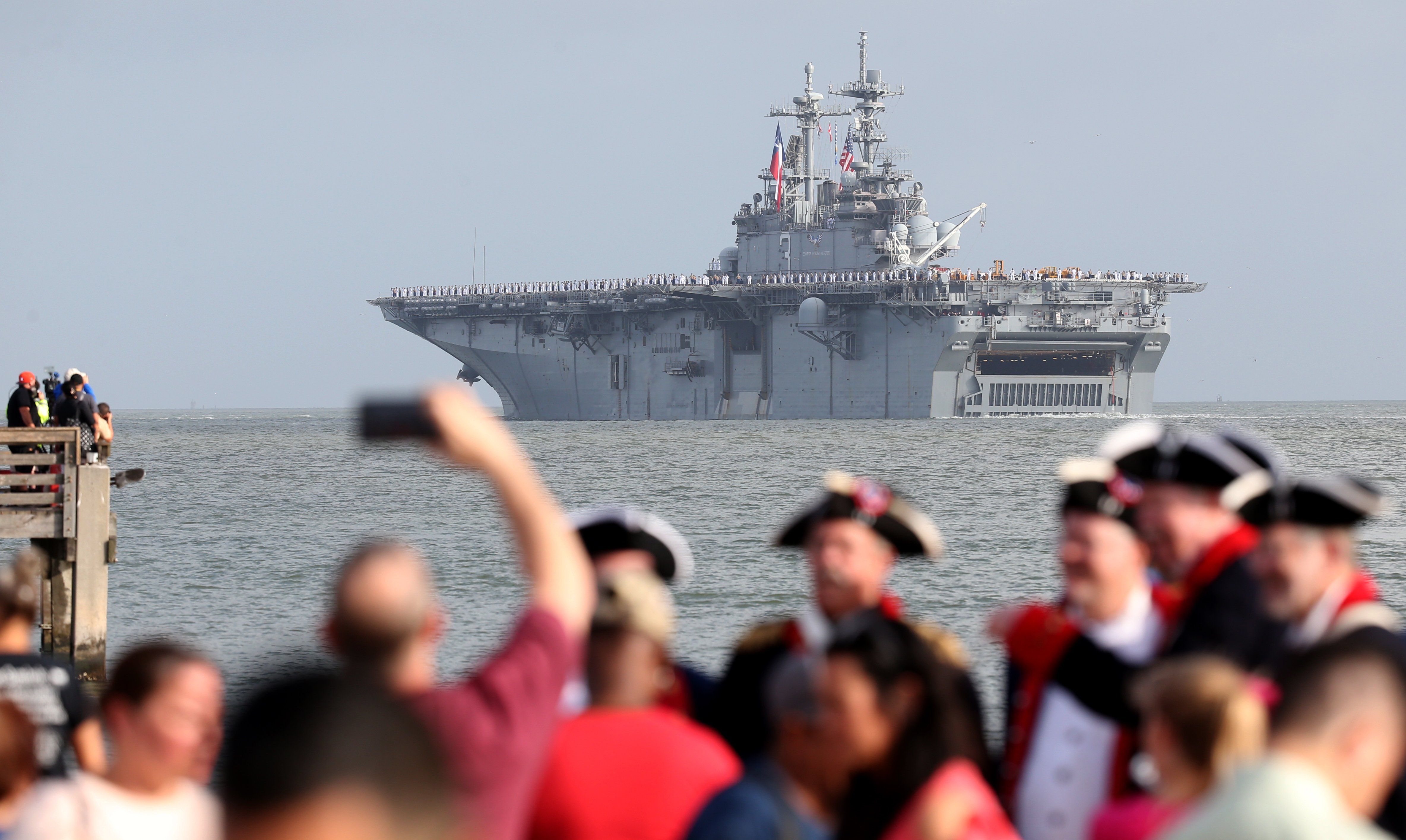
The U.S. Navy's fleet has contracted dramatically since the Cold War, falling from 597 warships in 1987 to just 293 by late 2025. Recent budget proposals signal a determined reversal, with the fiscal 2027 request seeking $66 billion for shipbuilding—the largest such request since 1962. This funding aims to add 18 battle force ships and 16 support vessels, part of a sustained push to rebuild a fleet strained by constant global deployments.
The Labor Bottleneck
Despite this massive financial commitment, a severe shortage of skilled tradespeople threatens to derail the expansion. A February 2025 Government Accountability Office report warned that all seven major U.S. shipbuilders face critical workforce limitations affecting their ability to meet delivery schedules. The report highlighted an aging skilled workforce, with insufficient new workers entering trades like welding, electrical work, and fitting to replace retirees.

The GAO noted that most shipyards will need to hire thousands of skilled employees in coming years, increasing the proportion of inexperienced staff. With three to five years typically required to gain proficiency, this shift will likely reduce shipyard efficiency in the near term. Matt Evans of the Navy's maritime industrial base program office estimates the industry needs approximately 25,000 new workers annually for the next decade.
Competition from the Private Sector
Compensation remains a primary obstacle. While shipyards struggle to attract talent, the booming demand for data centers to support artificial intelligence development is creating intense competition. This sector alone may require over half a million electricians, plumbers, and other tradespeople, often offering six-figure salaries in less demanding environments than shipyards.
Initiatives are underway to expand the skilled labor pool. Private investment, like Black Rock's $100 million training program, and partnerships such as Baton Rouge Community College's no-cost training with ExxonMobil since 2012, aim to address the gap. An April 2025 executive order focused on preparing Americans for high-paying skilled trade jobs could provide further stimulus. However, questions remain about whether the workforce can simultaneously support both the civilian tech boom and naval rearmament.
Seeking Allied Expertise
One potential solution involves leveraging allied shipbuilding expertise. A Center for Maritime Strategy study suggests America's seafaring allies could provide best practices to help restore U.S. naval power. The model of Hanwha's investment in the Philadelphia shipyard, which has grown its workforce to 2,000 with 150 new apprentices in training, demonstrates the potential of such partnerships.
The Navy's chronic problems with budgets and schedules are directly tied to workforce shortages. As the service manages extended global deployments that strain operational readiness, timely ship delivery becomes increasingly critical. The forthcoming full fiscal 2027 budget details will be scrutinized for dedicated funding for shipyard-specific training programs and provisions for greater foreign cooperation.
Without concrete measures to solve the human capital crisis, the historic budget increases for naval construction may fail to translate into a larger, more capable fleet. This industrial challenge occurs alongside other significant defense budget and leadership debates in Congress, highlighting the broader complexities of modern military procurement. The success of the naval buildup ultimately depends not just on dollars appropriated, but on whether the nation can rebuild the industrial workforce that turns funding into warships.