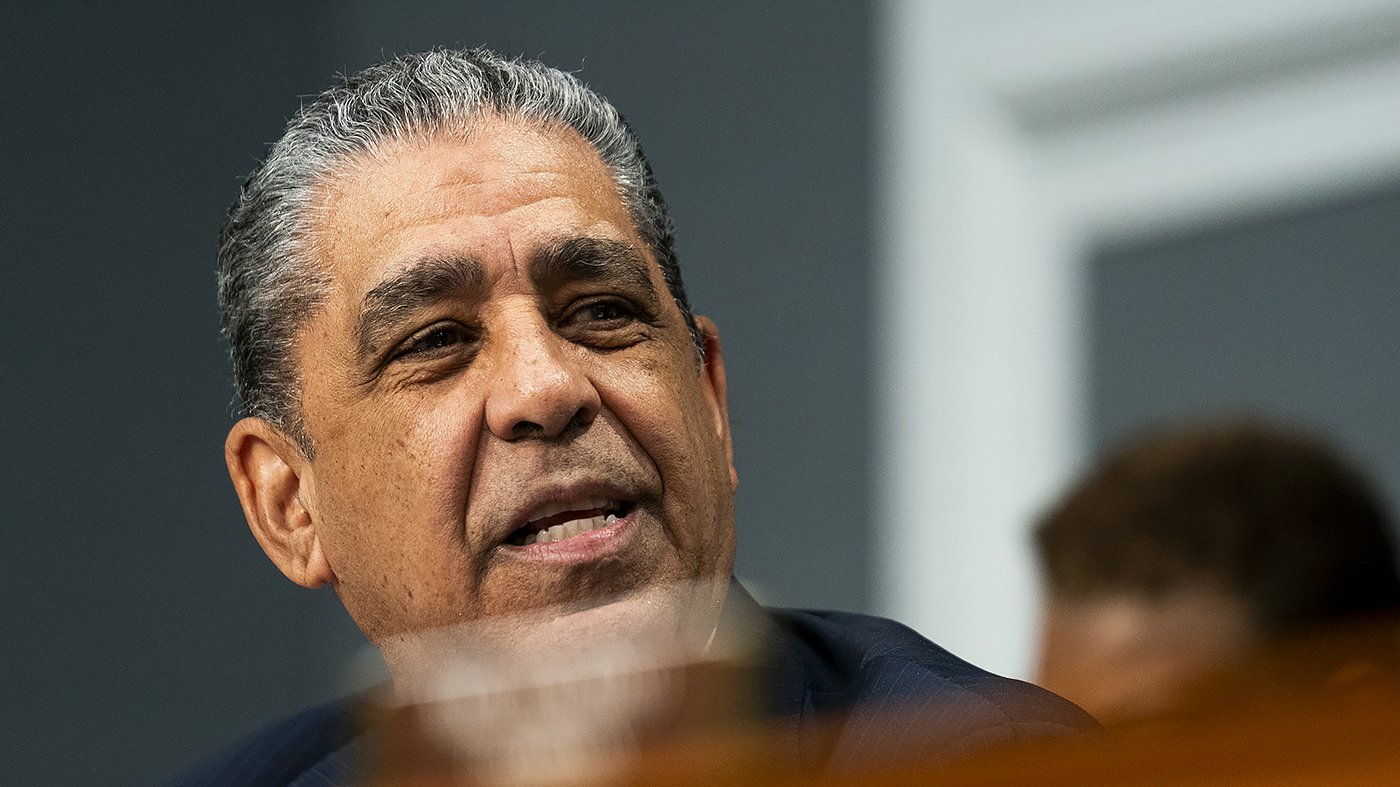
The defeat of Representative Adriano Espaillat in this week's New York primary has sent shockwaves through the Congressional Hispanic Caucus, where he served as chair and was seen as a trailblazer. Espaillat, a Democrat who was the first formerly undocumented member of Congress, fell to a candidate backed by New York City Mayor Zohran Mamdani, whose progressive slate also unseated Representative Dan Goldman.
For members of the Hispanic Caucus, the loss is deeply personal. Representative Veronica Escobar of Texas, a fellow caucus member and progressive, described it as heartbreaking. “The first formerly undocumented member of Congress, a real fighter for his district, someone who I think really helped the CHC be a powerhouse this Congress. It’s a huge loss. It’s a huge loss for the caucus; it’s a loss for the Congress, it’s a loss for the country,” Escobar said.
The primary results reflect a broader shift within the Democratic Party, as Mamdani's allies have pushed incumbents out in favor of candidates further to the left. This dynamic has deepened existing rifts, with some lawmakers questioning whether the party's progressive wing is alienating moderate voters. As the progressive primary sweep in NY deepens the Democratic rift over strategy, the party faces tough questions about its electoral path forward.
Representative Sylvia Garcia of Texas, a close friend of Espaillat, struggled to contain her emotions when discussing the outcome. “I think we’re all going through our own personal seven steps of grief. I’m kind of stuck on anger because he’s just done so much,” she said, her voice breaking. Garcia's reaction underscores the sense of betrayal many feel, as Espaillat had been a unifying figure within the caucus.
Espaillat's tenure as chair of the Congressional Hispanic Caucus was marked by efforts to amplify Latino voices on key issues, from immigration reform to economic justice. His loss not only removes a seasoned legislator but also leaves the caucus without a leader who had navigated both progressive and moderate factions. The caucus now faces a leadership vacuum at a time when Latino representation is under scrutiny.
Mamdani, who has styled himself as a champion of working-class New Yorkers, declared that voters are rejecting the status quo. In a statement, he said the primary results signal a mandate for bold progressive policies. This sentiment was echoed by Representative Ro Khanna of California, who declared the progressive movement on the rise after left-wing primary wins. However, critics warn that such victories could alienate swing voters in general elections.
The loss of Espaillat and Goldman highlights a growing tension between the party's establishment and its insurgent wing. As the Democratic Party grapples with its identity, the Hispanic Caucus is left to mourn a leader who broke barriers and fought fiercely for his community. For now, members are left to navigate their grief and the uncertain political landscape ahead.