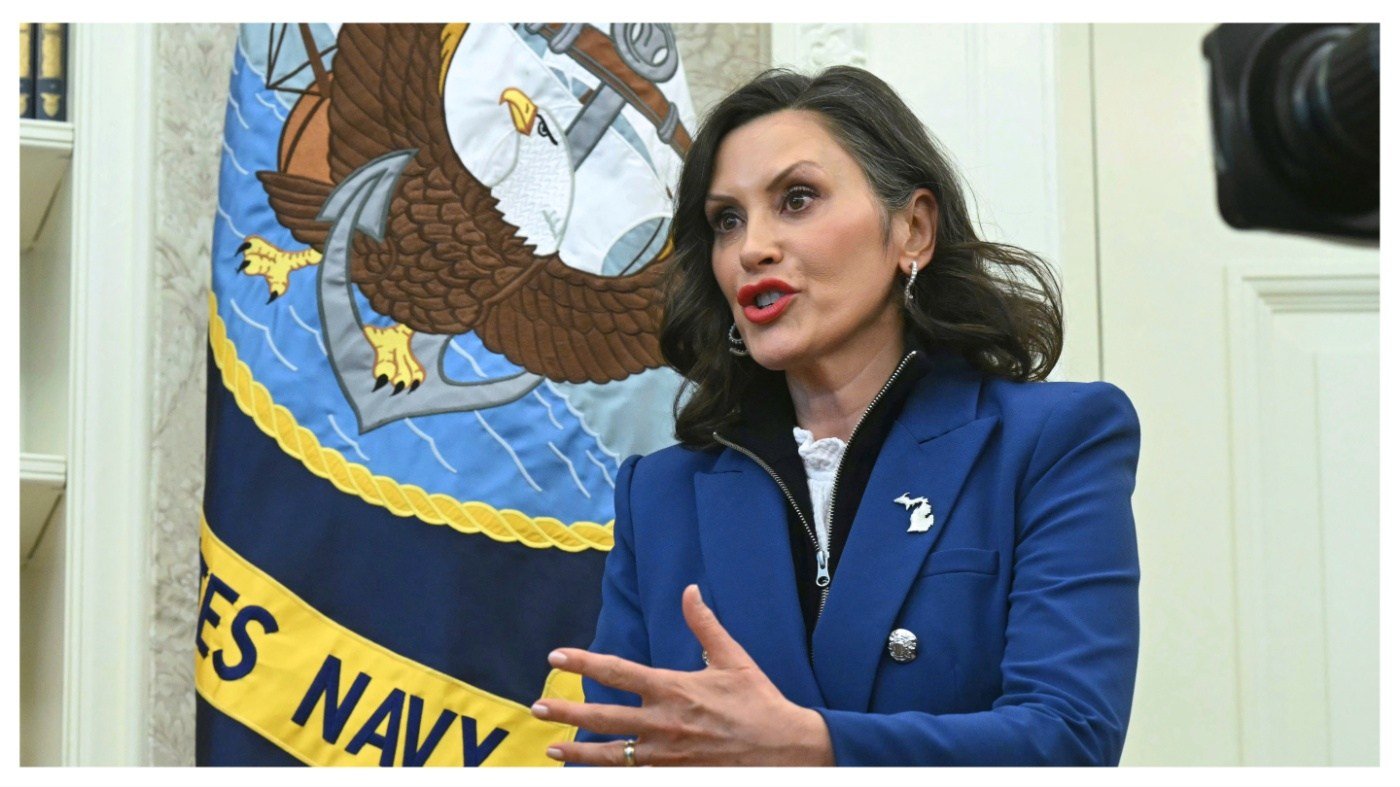
The 2026 primary season is winding down, but the narrative of a progressive juggernaut has been significantly overstated. While headlines have touted a string of left-wing victories, a closer look at the data reveals a far more modest reality: progressive and democratic socialist candidates have won less than 20% of primaries in districts where Democrats are either heavily favored or competitive in the fall. Their wins are almost entirely confined to safe Democratic strongholds, according to a New York Times analysis.
In solidly blue urban districts, progressives have dominated, winning roughly 80% of their primaries. But in the swing districts that will actually decide control of Congress, the story is different. Moderates have held their ground, and in some cases, delivered decisive defeats to left-wing challengers. This pattern—blue districts getting bluer while battlegrounds stick with the establishment—is a critical takeaway for the party.
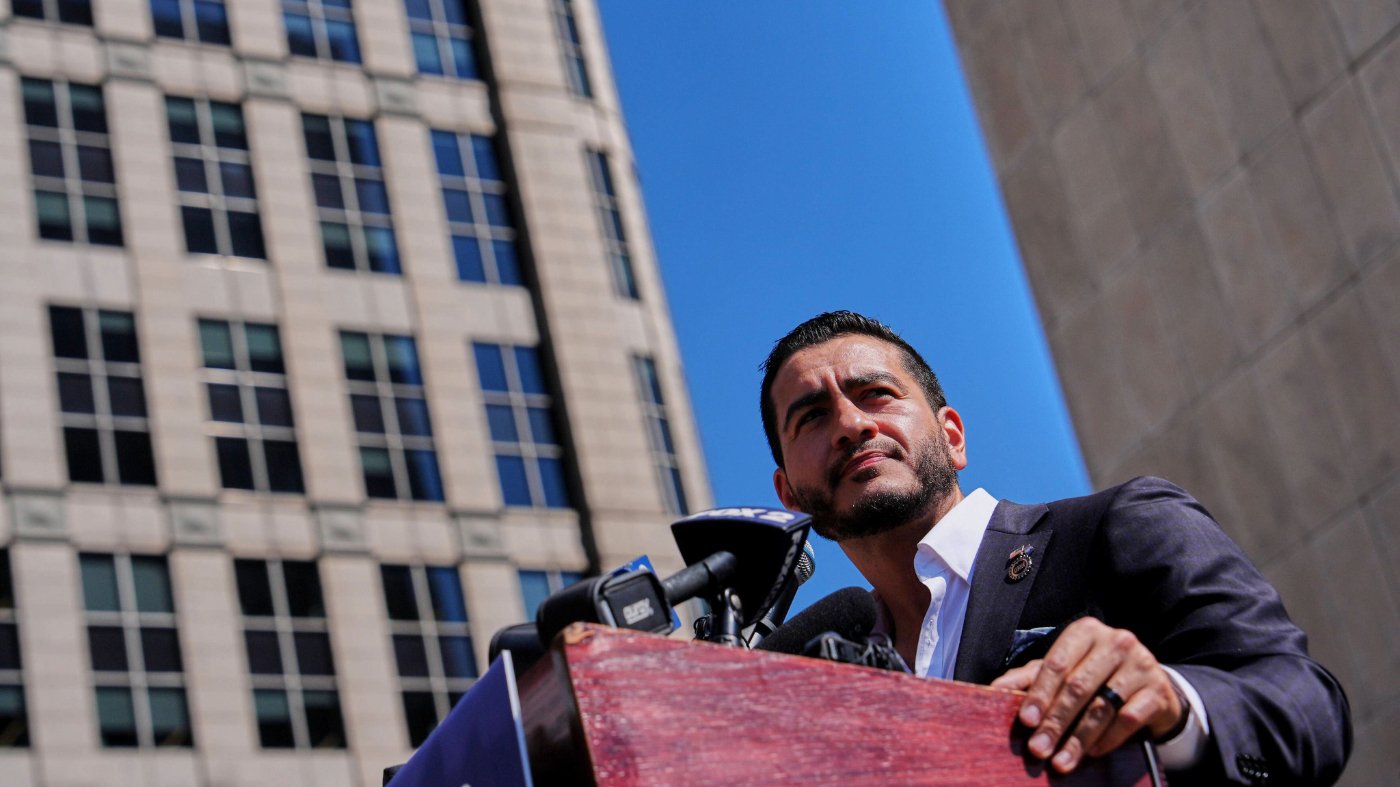
Take Michigan, where Abdul El-Sayed defeated Rep. Haley Stevens in the Senate primary. That same night, socialist Rep. Cori Bush lost her House seat in Missouri to moderate Wesley Bell by a striking 22 points. In Washington's 3rd District, moderate incumbent Marie Gluesenkamp Perez advanced to the general election with more than double the vote share of her progressive opponent, Brent Hennrich (37% to 17%).
El-Sayed's victory, however, is not just another progressive win. It came in a swing state with significant general election implications, and it broke a pattern. Unlike the safe blue seats where the left has thrived, Michigan's Senate race cannot be won by relying solely on young, white, college-educated urban voters. El-Sayed's narrow one-point margin (49% to 48%)—far below his double-digit lead in pre-election polls—raises questions about his coalition's durability.
According to an analysis from Bridge Michigan, El-Sayed is the first Democrat to win a statewide primary in Michigan without carrying Wayne, Oakland, or Macomb counties since Bernie Sanders won the 2016 presidential primary. Stevens carried all three by about 6 to 8 points each, securing roughly 52% of the combined metro Detroit vote. In the very regions where Democratic strength is rooted, El-Sayed lost.
This dynamic is not unique to Michigan. The same pattern produced Zohran Mamdani's mayoral victory in New York City and the primary defeats of Reps. Dan Goldman and Adriano Espaillat. The progressive coalition is younger, whiter, better educated, and wealthier than the broader Democratic base, and socialist candidates consistently underperform with Black and Hispanic voters who have anchored the party for decades.
In a safe Democratic city, such a shift is survivable. But in a state that Donald Trump carried in 2024, it could be fatal. El-Sayed's victory is an important exception, but it remains just one race, won by a single point in a state where Democrats have no margin for error. Whether that narrow coalition can hold in November is an open question the party cannot ignore.
If it doesn't hold, Democrats will face a tough lesson about the cost of a leftward turn—one they may spend years recovering from heading into 2028. As the party looks ahead, the challenges for democratic socialists in swing states are becoming clearer. The left's ceiling is real, and it sits somewhere around the boundaries of urban, heavily educated Democratic strongholds.