A sprawling network of renewable energy companies, wealthy donors, and allied advocacy groups has formed what critics describe as a climate-industrial complex, pouring millions into political campaigns to protect lucrative subsidies and defeat conservative lawmakers who stand in their way. The effort, which has already claimed a notable scalp in Texas, signals an escalating battle over energy policy that could reshape Republican primaries and the broader political landscape ahead of the 2026 midterms.
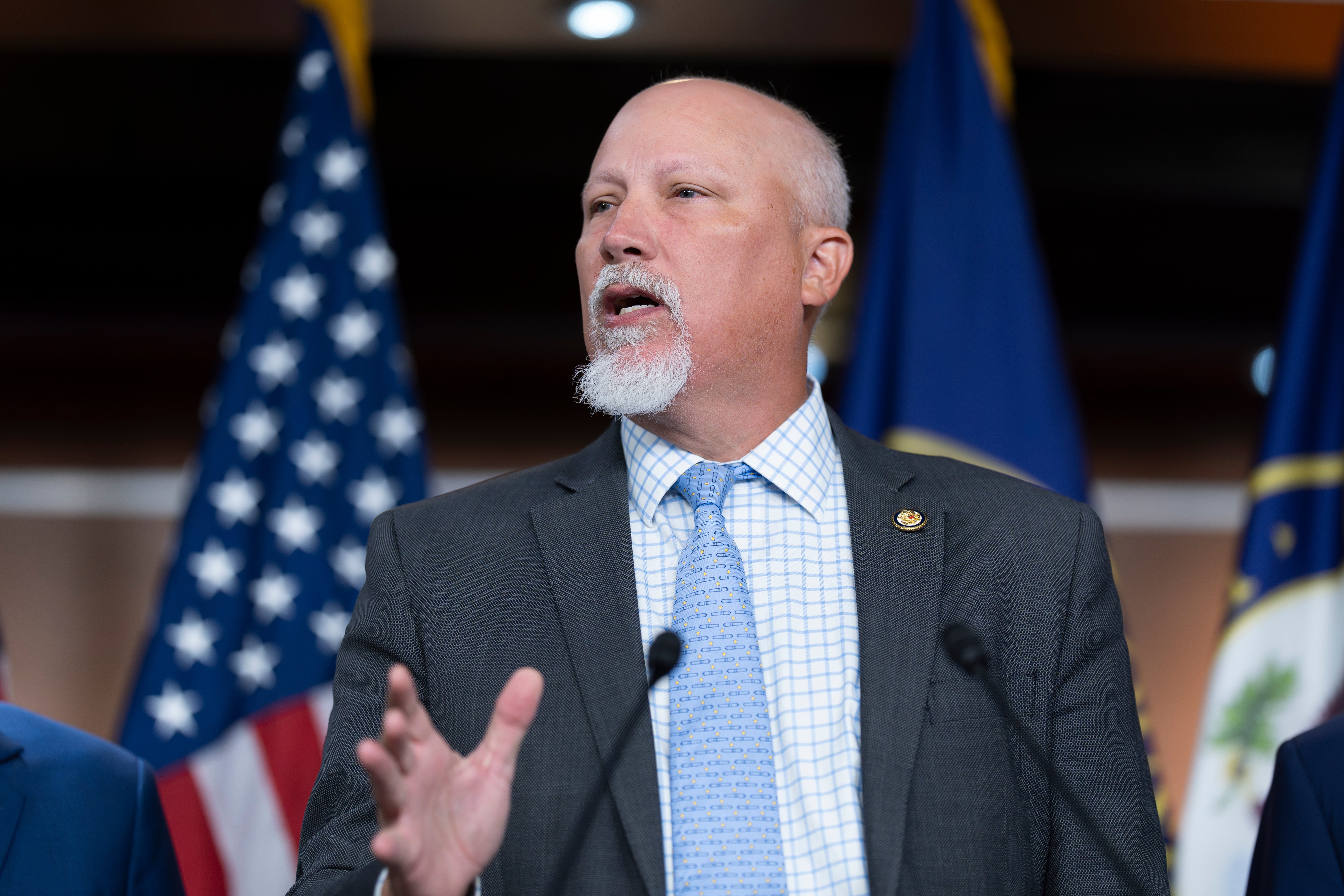
The Invest in Tomorrow Coalition, a political action committee backed by major players in the wind, solar, and battery storage industries, openly boasts of helping defeat Rep. Chip Roy (R-Texas) in his bid for Texas attorney general. The PAC framed the victory as retribution for Roy's "relentless push for ending renewable energy tax incentives." According to internal reports, the coalition has secured at least $15 million in pledges for the 2026 cycle, with a blunt message to elected officials: cross the industry, and face a well-funded primary challenger.
Roy, a member of the House Freedom Caucus, was instrumental in inserting sunset provisions for wind and solar tax credits into the Big Beautiful Bill Act of 2025. Peter Davidson, CEO of Aligned Climate Capital, told reporters that the caucus's "demonization of the industry" and rhetoric about the "Green New Scam" provoked the backlash. The PAC's donors are now determined to punish opponents and reward allies on a range of issues, including environmental standards for industrial-scale renewable installations that critics say devastate wildlife and rural landscapes.
The coalition has launched billboards and digital ads warning lawmakers "Don't Mess with Solar," and it is prepared to spend heavily in Republican primaries to make an example of any incumbent who votes against the industry's interests. Its largest donor so far is billionaire Chris Larsen, co-founder of the cryptocurrency company Ripple. Larsen is also behind the $60 million Clean Break Fund, led by former Sierra Club Executive Director Michael Brune, which targeted Roy with deceptive messaging designed to appeal to conservative voters.
In a podcast recorded at an "elite climate gathering," Larsen and Brune boasted of a "coordinated" and "subversive" campaign—one that includes posing as grassroots MAGA supporters to trick voters into defeating their own representatives. Larsen acknowledged employing "the same bare-knuckle playbook" as the AI industry's super PAC, identifying "enemies" and waging "political warfare." One ad attacked Roy for insufficient loyalty to President Trump, despite Roy's solid conservative record and his authorship of the SAVE America Act.
This is not the first time green groups have used deceptive tactics to sway conservative voters. A previous campaign aimed at Evangelical Christians, using the concept of "creation care," backfired after its sponsors were exposed as major abortion advocates. The current effort, however, is more sophisticated, rebranding climate and renewable schemes as conservative and free-market friendly—a strategy that has drawn criticism from free-market advocates who see it as a Trojan horse for expanded government control.
The organizations are now playing a waiting game, fighting the Trump administration and Republican Congress on every front while betting that the political tide will turn after Trump's term ends. They are already warning Big Tech and other firms that back fossil fuels or small nuclear plants—or even remain neutral on subsidies—that they will be next on the hit list. The Capital Research Center has documented the deep pockets behind these efforts, including the Hewlett Foundation, Packard Foundation, Rockefeller funds, Bloomberg Philanthropies, and the MacArthur, Ford, Tides, and Charles Stewart Mott foundations.
Critics argue that these groups, despite their capitalist funding sources, are fundamentally anti-free-enterprise and anti-fossil-fuel, seeking to impose a European-style regulatory state on the United States—high taxes, high energy prices, and diminished freedoms, all sold as virtue. As the 2026 elections approach, the clash between the climate-industrial complex and its conservative opponents is set to intensify, with billions of dollars and the future of American energy policy hanging in the balance.