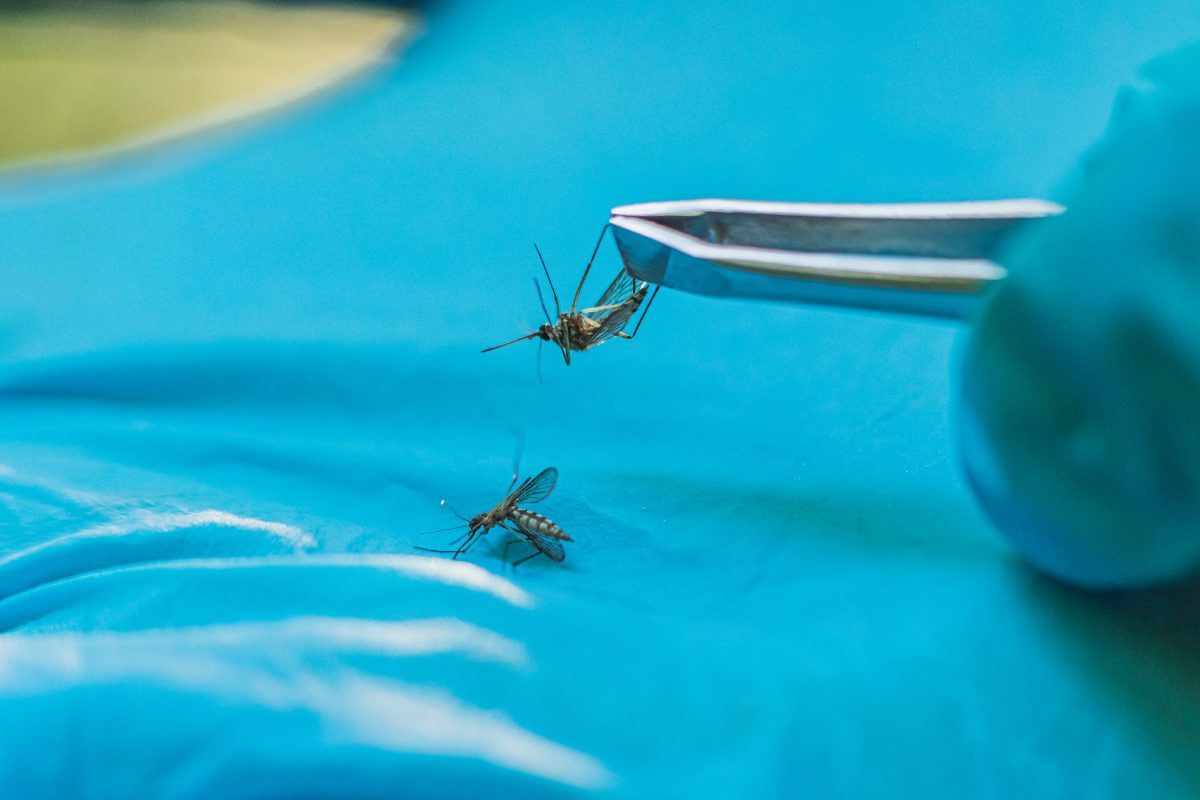
Officials in Hillsborough County, Florida, have issued a local state of emergency in response to a surge in dengue fever cases, with the latest state data showing 170 locally acquired infections since the outbreak began. The declaration, announced Tuesday, underscores the severity of the mosquito-borne disease in the Tampa Bay area, which leads the state by a wide margin.
County leads Florida in dengue cases
According to the Florida Department of Health, Hillsborough County accounts for the overwhelming majority of dengue cases reported statewide. The 170 cases represent a significant spike, prompting county leaders to take immediate action to curb further transmission. Public health officials have emphasized that the emergency declaration will allow for faster deployment of mosquito control resources and increased public awareness campaigns.

“This is a public health priority,” said a county spokesperson in a statement. “We are mobilizing all available tools to protect residents and reduce the risk of further spread.” The declaration comes just days after the state confirmed its first dengue-related death in Hillsborough County, heightening concerns among health experts and local officials.
Political and policy implications
The outbreak has drawn attention from state lawmakers, who are now pressing for additional funding for mosquito abatement programs. Some have linked the rise in cases to recent budget cuts in environmental health services, a point of contention in the ongoing state budget negotiations. The situation also echoes broader national debates about private equity's impact on emergency care access, as strained local health systems face added pressure from vector-borne disease outbreaks.
Local officials are urging residents to eliminate standing water, use EPA-approved repellents, and seek medical care if symptoms develop. The county has also increased aerial spraying in affected neighborhoods, though some residents have raised concerns about pesticide use—a policy friction point that mirrors other environmental health disputes, such as the recent House vote to strip California's port pollution waiver.
Public health response and next steps
The emergency declaration grants the county authority to expedite contracts for mosquito control services and to coordinate with state and federal agencies. The Centers for Disease Control and Prevention (CDC) has been notified, and a team of epidemiologists is expected to assist with case tracking and prevention strategies.
Dengue fever, which is transmitted by Aedes mosquitoes, can cause severe flu-like symptoms and, in rare cases, hemorrhagic fever. The rise in locally acquired cases—rather than travel-related ones—signals that the virus is now circulating within the county’s mosquito population, a development that public health experts call “concerning.”
“We’re seeing a pattern that demands a robust, coordinated response,” said Dr. Elena Ramirez, an infectious disease specialist at a Tampa hospital. “The state of emergency is a critical step, but sustained funding for vector control will be essential to prevent future outbreaks.”
Governor Ron DeSantis has not yet declared a statewide emergency, but his office said it is monitoring the situation closely. State health officials are expected to release updated case counts later this week, which could prompt additional action.
For now, Hillsborough County remains the epicenter of Florida’s dengue outbreak, with officials warning that the number of cases could continue to climb as mosquito season peaks. Residents are advised to stay informed through local health alerts and to take preventive measures seriously.