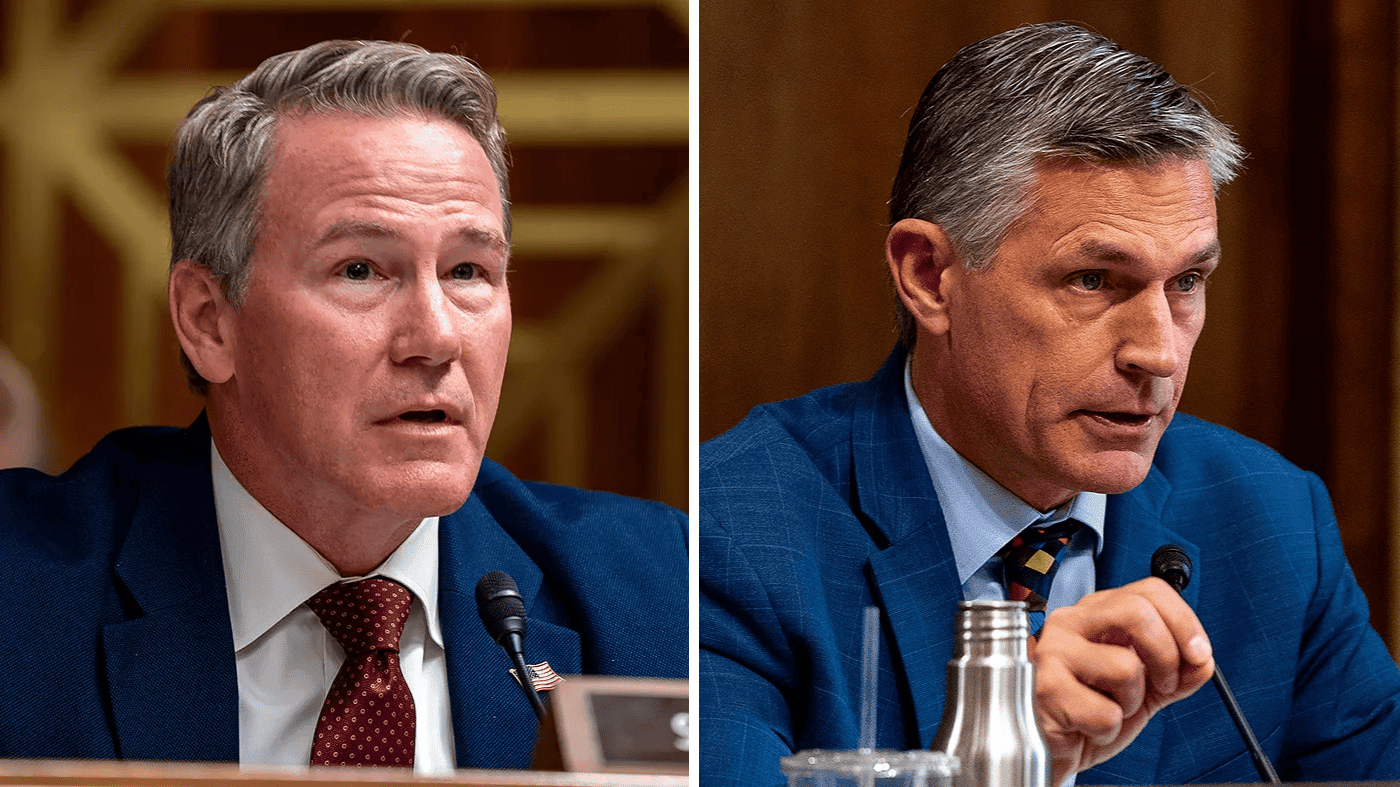
Senate Democrats on Thursday blocked a Republican-backed measure aimed at addressing rising electricity costs linked to data centers, setting up a partisan clash over how to protect ratepayers from the power demands of artificial intelligence and cloud computing.
Sen. Martin Heinrich (D-N.M.) objected to Sen. Jon Husted's (R-Ohio) unanimous consent request to pass the Ratepayer Protection Act, which cleared the House 417-3 on Wednesday. The bill would direct state utility regulators to hold hearings on whether data centers should bear the full cost of the grid upgrades they require, but it stops short of mandating such payments.

Heinrich argued the legislation is too weak to meaningfully address the problem. "It's not enough for us to tell states to consider making data centers pay for grid updates," he said. "Rather than voluntary pledges or suggestions to states, Congress needs to pass real legislation with real teeth." He then pushed his own alternative, the Grid Savings Act, which would require large electricity users like data centers to cover the cost of new transmission and distribution infrastructure as a condition of grid connection.
Husted defended his bill, saying it "would require state utility regulators to consider standards ensuring that large load customers pay the full incremental cost of the infrastructure needed to serve them." He added, "This is how we make sure American families are not left footing the bill for energy infrastructure required by data centers." The Ohio Republican noted the overwhelming bipartisan support in the House, calling the measure "a bipartisan opportunity to get this done."
But the exchange quickly devolved into procedural warfare. When Heinrich attempted to pass his own bill via unanimous consent, Sen. Bernie Moreno (R-Ohio) objected, accusing Democrats of obstruction. "The term 'do nothing Congress' exists for a reason. We absolutely accomplished that right now," Moreno said. "We did nothing here in the Senate because, again, of Democrat obstruction. This bill would have done something that's not nothing."
Moreno framed the defeat as a blow to taxpayers, warning that electricity prices will keep climbing without legislative action. "The victim of all this is the taxpayer of the United States of America, who's going to see electricity prices continue to go up because we could have passed a law to solve it," he said. "Instead, it's more games after more games. Like the American people, I'm sick of it."
Husted, who has made data center energy costs a priority, vowed to continue pressing the issue. "It is a shame that this opportunity has been missed today, but I will be back to push this issue forward," he said.
The standoff reflects a broader political battle over how to handle the explosive growth of data centers, which are straining power grids across the country. Democrats and some consumer advocates argue that tech giants should be forced to pay for the infrastructure they demand, while Republicans and industry groups prefer a lighter regulatory touch. The House's near-unanimous vote suggests there is appetite for action, but the Senate impasse shows how even popular measures can stall amid procedural disputes.
Meanwhile, Democrats are also grappling with internal divisions over energy policy. House Minority Leader Hakeem Jeffries is expected to roll out an affordability agenda as the midterm race tightens, and the party has been pressing the White House on issues ranging from fuel costs to grid reliability. The data center fight is likely to resurface as Congress considers broader energy legislation.