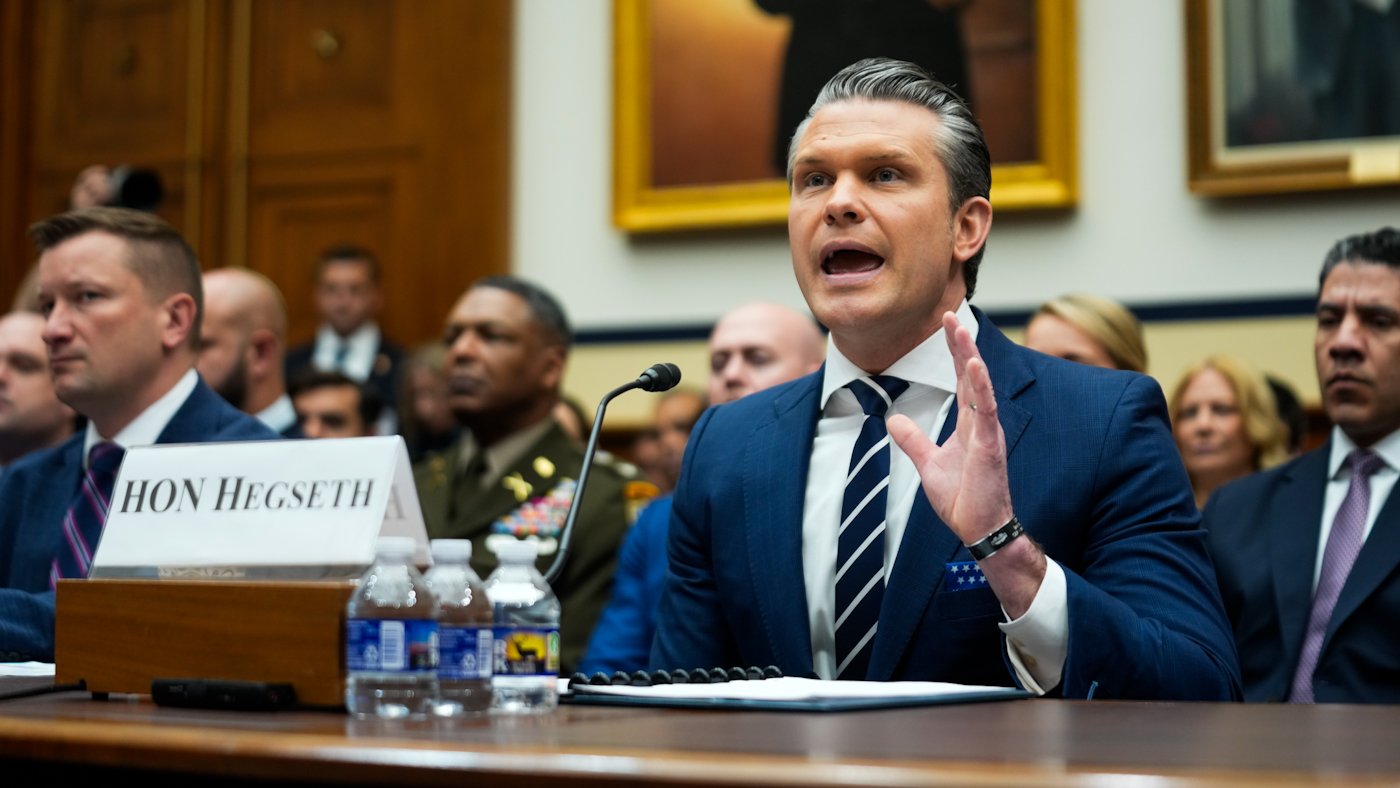
Defense Secretary Pete Hegseth came under sharp questioning from Representative Ro Khanna (D-Calif.) during a House Armed Services Committee hearing on Wednesday, as the two clashed over the true economic burden of the ongoing Iran war. The exchange highlighted growing unease about the conflict's financial toll, even as the Trump administration insists it is managing costs effectively.
Khanna opened by challenging the Pentagon's official cost estimate of $25 billion, arguing that figure grossly understates the war's impact on American households. “Do you know how much it will cost Americans in terms of their increased cost in gas and food over the next year because of Iran?” Khanna demanded, citing independent estimates that the war could ultimately cost the U.S. economy $631 billion, or roughly $5,000 per household.
Hegseth dismissed the line of questioning as a “gotcha” and turned the tables, asking Khanna, “What would you pay to ensure Iran does not get a nuclear bomb?” The defense secretary then deflected to broader economic management, claiming the administration's economic team is performing better than its predecessor. Khanna cut him off, accusing Hegseth of ignorance: “You don’t know what we paid in terms of the missiles that hit the Iranian school. You don’t know what we’re paying in terms of gas. You don’t know what we’re paying in terms of food. Your $25 billion number is totally off.”
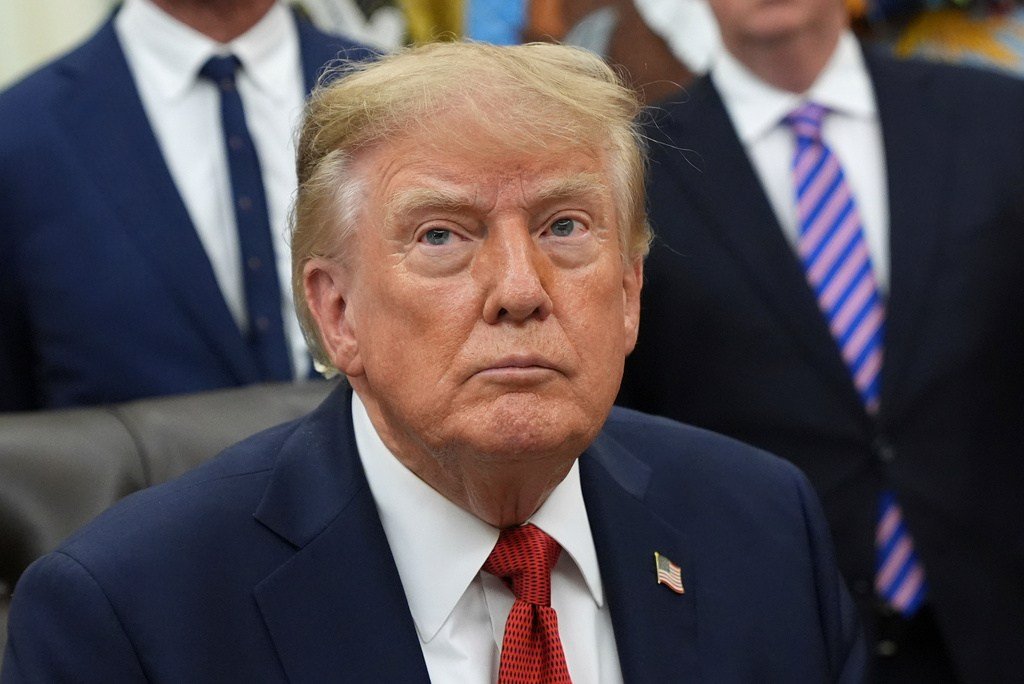
The hearing comes amid mounting economic strain from the war, with Iran's disruption of the Strait of Hormuz pushing average U.S. gas prices to $4.18 per gallon—the highest since the conflict began. President Trump's approval ratings have slid accordingly, with 76% of Americans disapproving of his handling of the cost of living, including 47% of Republicans, according to a recent AP-NORC poll. On the war itself, 67% disapprove.
Khanna pressed Hegseth on the nuclear dimension, noting that Iran’s enriched uranium stockpile was far smaller when Trump withdrew from the 2015 JCPOA. “Do you know how much the enriched uranium was after you ripped up the JCPOA?” he asked. Hegseth sidestepped the question, instead attacking California’s high gas prices and blaming “horrible policies” pursued by Democrats.
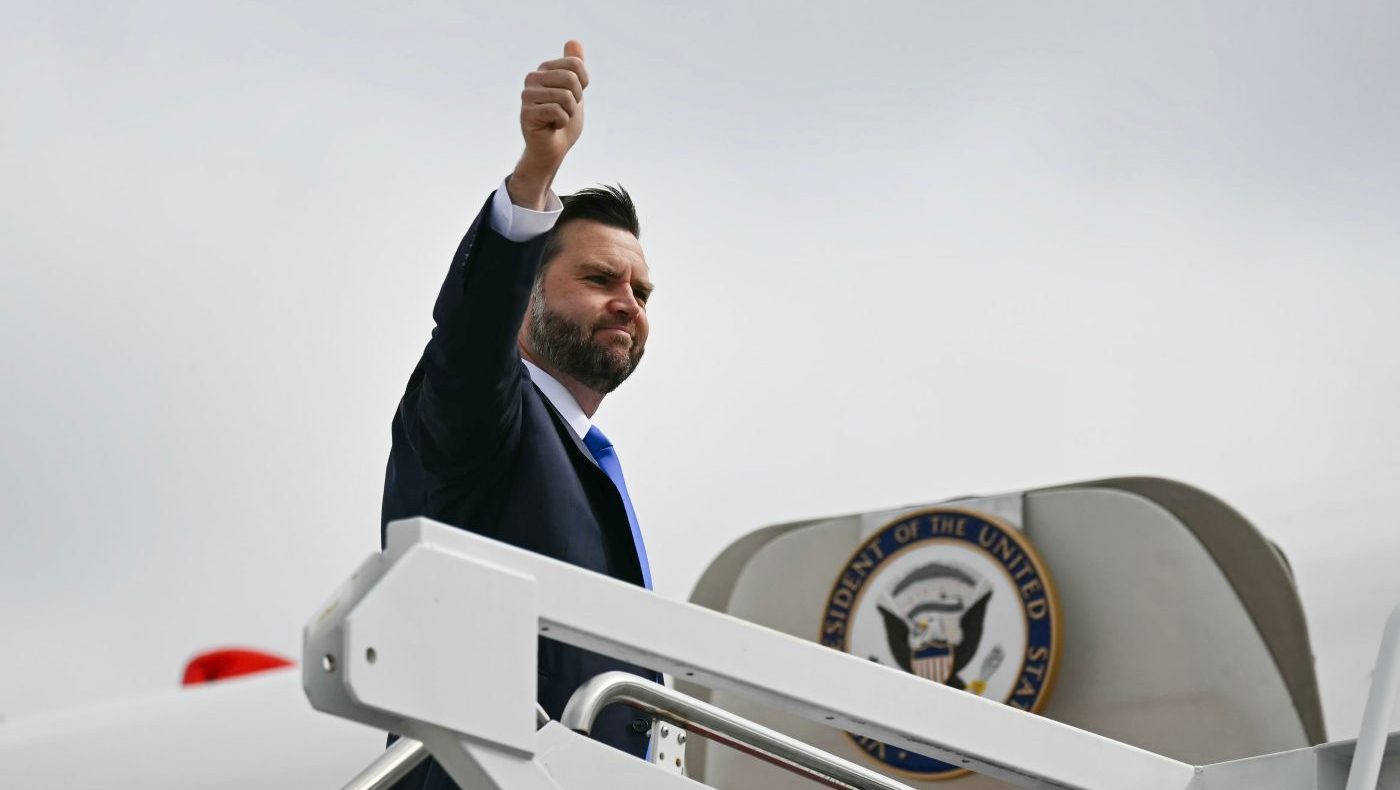
The representative then turned to political betrayal, arguing that Trump and Hegseth had broken promises to voters who believed the president would avoid foreign entanglements and lower prices. “You know what? I’m sad for all the people who voted for Trump. I’m sad for them, because you betrayed them. You betrayed a lot of that MAGA base,” Khanna said, adding, “JD Vance knows that.”
Khanna’s jab echoed recent reporting from The Atlantic that Vice President Vance harbors doubts about the Pentagon’s transparency on war costs and damage. The New York Times has described Vance as among the most skeptical members of Trump’s Cabinet. That internal skepticism mirrors the broader public mood, as Democrats now lead Republicans on economic trust for the first time since 2010, according to a Fox News poll.
Despite the political headwinds, the administration is betting that a blockade on Iran’s energy exports will eventually force Tehran to capitulate in peace talks. Hegseth and his team face continued scrutiny in upcoming hearings as the war nears the 60-day mark, with lawmakers from both parties demanding a clearer accounting of costs and strategy.