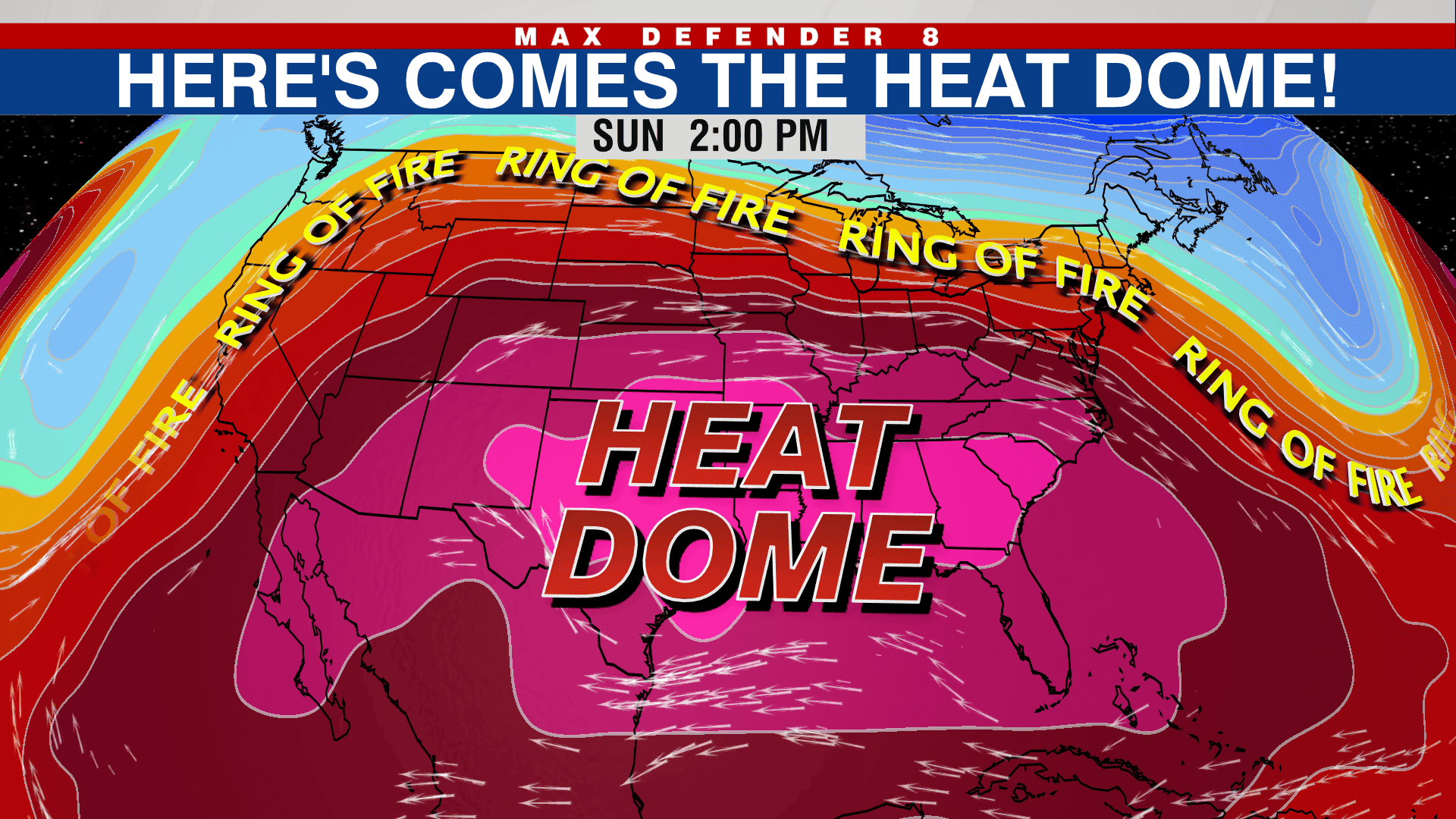
A formidable heat dome is forecast to expand across the southeastern United States and Florida, bringing with it the potential for record-breaking temperatures and dangerous heat index values. The event is expected to begin this weekend and persist through much of the upcoming week, with some models suggesting it could linger even longer.
The National Weather Service indicates that this high-pressure system will be exceptionally strong, possibly rivaling monthly records for its intensity. As a result, dozens of locations could see daily high and low temperature records tied or broken.
Scope of the Heat
According to the National Oceanic and Atmospheric Administration (NOAA), over 30 million people are under the threat of "extreme" heat, while an additional 50 million face "major" heat conditions. The most severe impacts are expected to shift from the central Plains eastward, with states like Missouri, Arkansas, Kentucky, Tennessee, southern Illinois, Alabama, Mississippi, Georgia, and Florida all falling under the heat dome's influence by Sunday.
Forecast highs are projected to reach the mid-90s in Florida, with widespread 100-degree temperatures across the Southeast, from Oklahoma and Texas to the Carolinas. Combined with high humidity, heat index values could soar to between 105 and 115 degrees, making outdoor activity dangerous.
Overnight Relief Unlikely
One of the most concerning aspects of this heat event is the lack of overnight cooling. Lows across the Southeast are expected to remain elevated, which exacerbates heat stress on the human body. Meteorologist Jeff Masters of Yale Climate Connections emphasized the critical role of nighttime temperatures: "If you're talking heat waves, that nighttime low is incredibly important for determining total heat stress. So if it doesn't cool off at night, your body doesn't have time to readjust to all the heat."
Comparisons to Historic Heat
This heat dome arrives on the heels of a record-breaking July for the contiguous United States, which averaged 76.89 degrees Fahrenheit, surpassing the previous record set during the Dust Bowl in July 1936 by an eighth of a degree. Records date back to 1895.
Masters drew stark parallels to that era, noting, "It's not good when you're breaking records from the Dust Bowl, which we are in this case. And that was a crazy sort of situation where you put tens of millions of people in motion. You had this great migration because of the drought and the heat that hit the center of the U.S. — just a cataclysmic event in U.S. history. If we're exceeding records from the Dust Bowl, that says that we're in deep trouble."
The heat dome is expected to persist into the following weekend, with little relief in sight. This event underscores the growing frequency and intensity of extreme heat, a trend that has significant implications for public health, infrastructure, and energy demand. As the climate continues to warm, such events are likely to become more common, posing challenges for policymakers and communities alike.