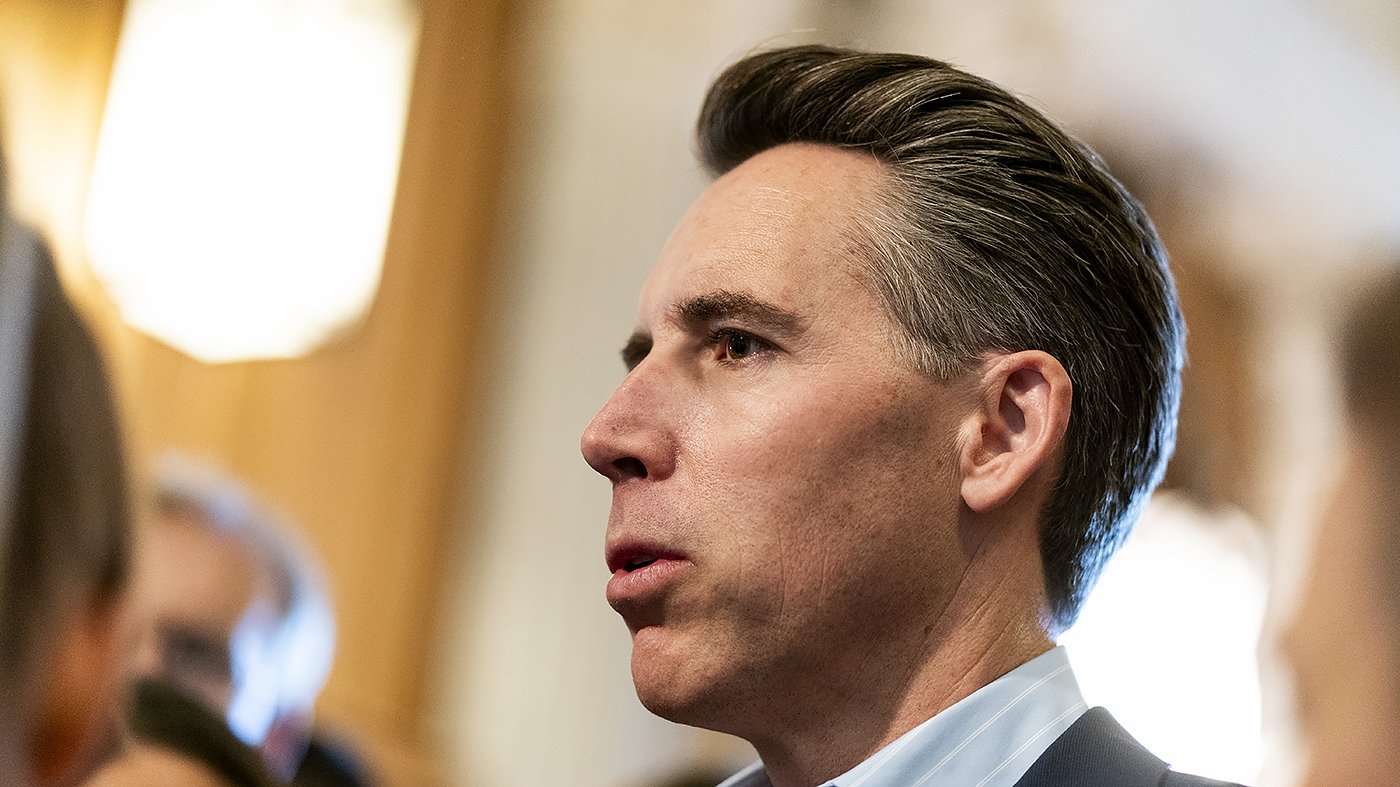
Sen. Josh Hawley (R-Mo.) is venting frustration after four fellow Republicans voted down a procedural move that would have added the SAVE America Act, a voter ID requirement, to a $70 billion budget reconciliation package. Hawley told Fox News Digital he couldn't fathom why any Republican would oppose such a measure, which he described as broadly popular with the American public.
The SAVE America Act, sponsored by Sen. Lindsey Graham (R-S.C.), would require documented proof of citizenship to register to vote and a photo ID at the polls. The amendment needed 60 votes to overcome procedural hurdles under the Byrd Rule, which governs what can be included in budget reconciliation bills. It fell 12 votes short, with only 48 senators supporting it.
The four Republicans who voted against waiving budgetary objections were Sens. Susan Collins (R-Maine), Mitch McConnell (R-Ky.), Lisa Murkowski (R-Alaska), and Thom Tillis (R-N.C.). Their defections sparked Hawley's ire. “Voter ID is the most popular thing out there,” Hawley said. “There’s reason for that. People want their elections to be safe, they want them to be fair.”
Hawley, who represents Missouri where voter ID is enshrined in the state constitution, expressed disbelief at the opposition. “I just don’t understand it,” he added, underscoring the deep divide within the GOP over how to approach election integrity legislation.
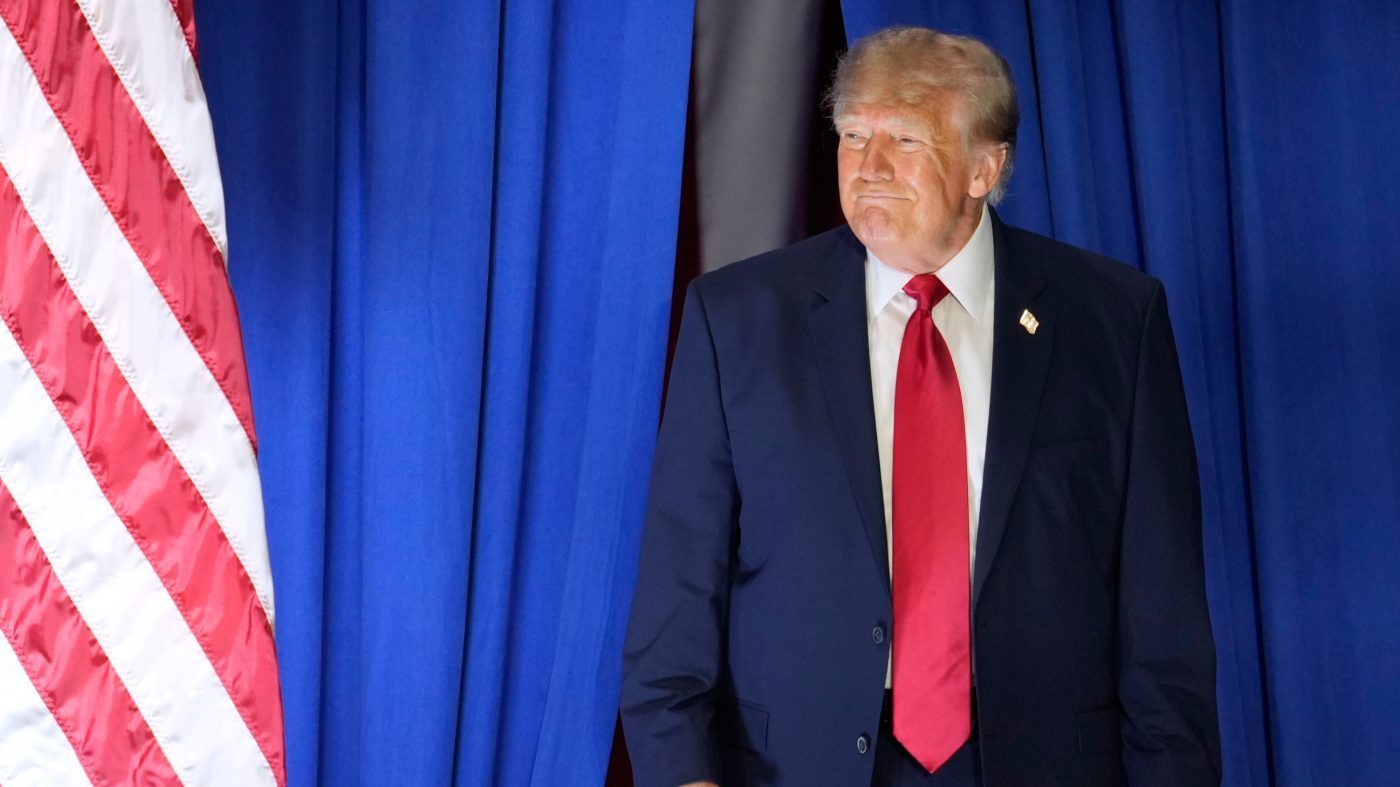
Senate sources familiar with the debate indicated that President Trump personally urged Republican allies to force a vote on the SAVE America Act, even though it had virtually no chance of passing. The move was seen as a way to publicly identify which Republicans would oppose the measure, a tactic that has fueled internal party tensions. This comes amid a broader bipartisan backlash that has stalled parts of Trump's agenda.
Collins, who had earlier announced support for the SAVE America Act, voted later in the same session for a similar voter ID amendment from Sen. Mike Lee (R-Utah). Her office did not immediately explain the shift. Murkowski, in a February op-ed in the Anchorage Daily News, said she supports voter ID in principle but opposed the SAVE America Act as drafted because it would disenfranchise many Alaskans, particularly those in remote areas not connected by roads.
“Twenty percent of Alaska’s population is not on the road system,” Murkowski wrote, arguing the bill would require some constituents to buy plane tickets and secure lodging just to register. McConnell has long maintained that federal election management should be left to states under the Constitution, a position that aligns with his vote.
Tillis, who supports voter ID requirements, has criticized “show votes” that are designed to send political messages rather than enact laws. He noted the SAVE America Act never had a realistic path to becoming law, given the Byrd Rule constraints. The failed vote highlights ongoing GOP infighting over election policy, even as California federal prosecutors launch multiple probes into voter fraud claims.
Hawley’s blistering criticism reflects a broader frustration among some conservatives who see the four senators as out of step with the party’s base. The episode also underscores the challenges of advancing election security measures through the budget reconciliation process, which is subject to strict procedural limits.