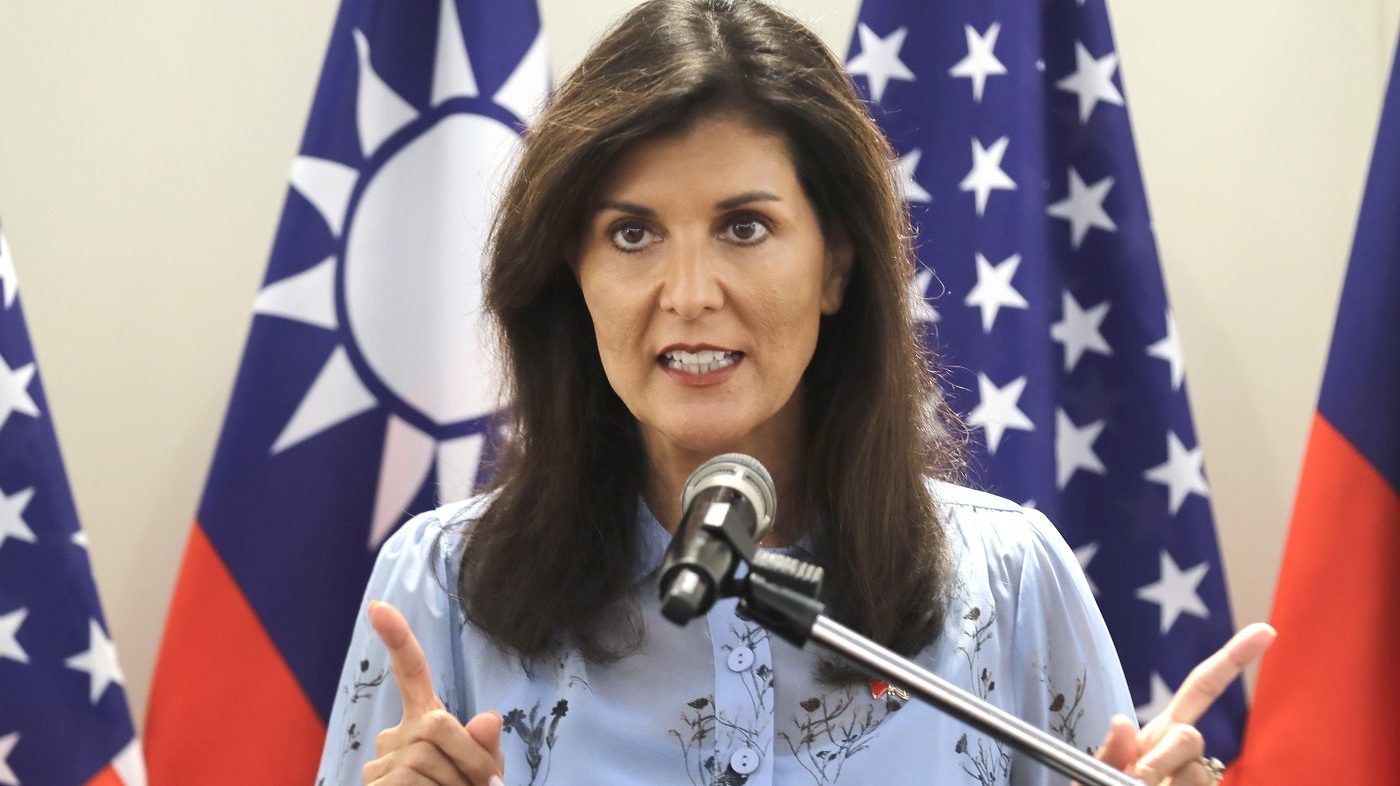
Nikki Haley, the former South Carolina governor and United Nations ambassador, has unequivocally removed herself from consideration for the 2028 Republican presidential nomination. In a Sunday interview on CNN's "State of the Union," Haley gave a definitive "I will not" when pressed by host Dana Bash about a potential future White House bid.
A Closed Chapter
Haley's statement brings finality to her national electoral ambitions following her 2024 campaign, during which she secured only a single primary victory before suspending her operation and endorsing former President Donald Trump. Her departure from the 2028 conversation immediately reshapes the emerging Republican field, which has seen increasing activity in recent months as potential contenders assess a post-Trump political era.
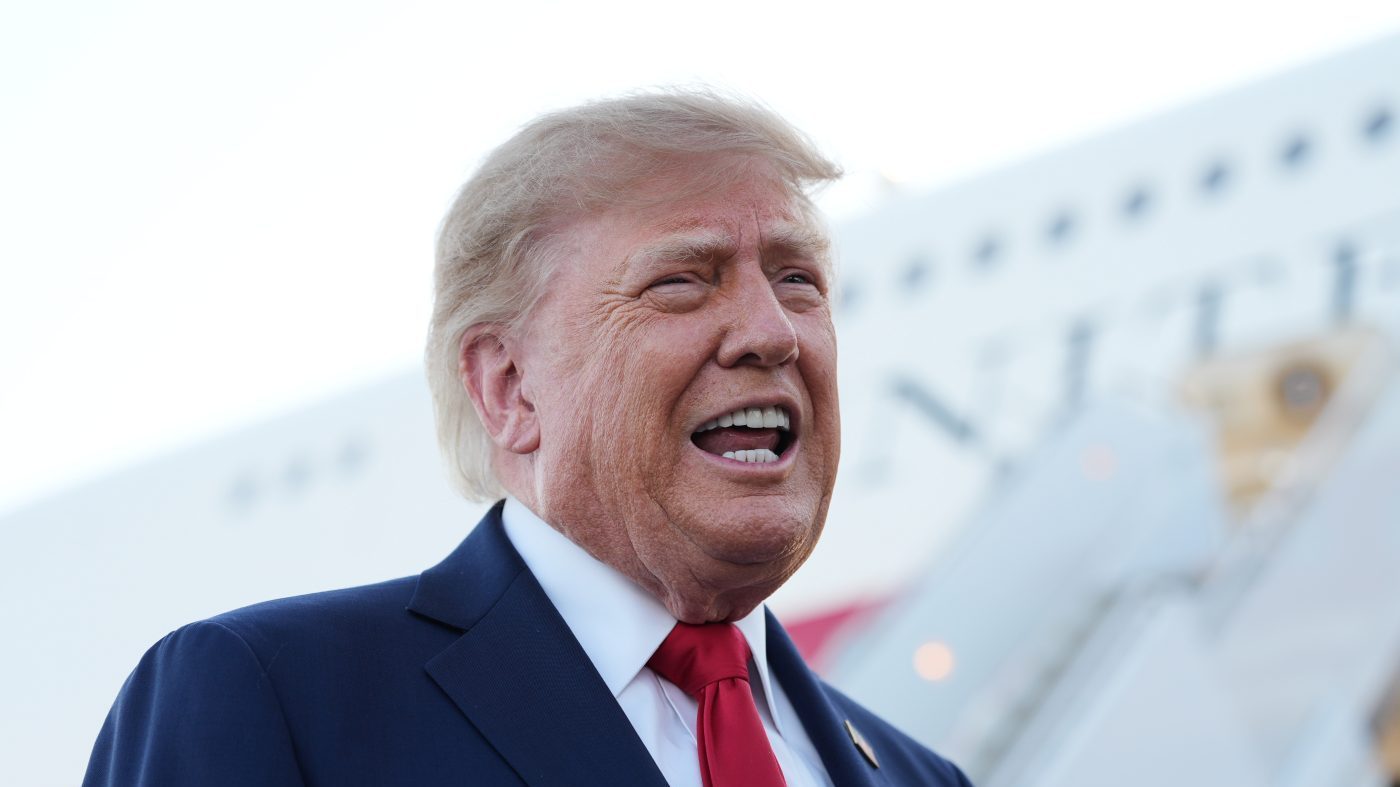
When asked to speculate on who might succeed Trump as the party's standard-bearer, Haley declined to name favorites. "I think it's too soon to tell. I think that primaries are healthy. I think a year is a lifetime in politics," she told Bash. "I think we will be having a different conversation a year from now. Who's going to be in that, I have no idea."
The Emerging Republican Bench
Within the GOP, Vice President J.D. Vance and Secretary of State Marco Rubio are widely viewed as early frontrunners for the 2028 nomination, though no formal campaigns have launched. Trump himself has acknowledged the developing field, telling NewsNation in January that "we certainly have a good bench. We have some very talented people," while noting he has early preferences he declined to name. Vance's position was bolstered earlier this year when he captured approximately 53 percent support in a straw poll of attendees at the Conservative Political Action Conference, a key barometer of activist sentiment.
The Republican maneuvering occurs against a backdrop of internal party dynamics, including ongoing disputes between Trump and former media allies over foreign policy, which could influence the ideological contours of the coming primary.
Democratic Field Takes Shape
On the Democratic side, the landscape is similarly active, with several high-profile figures signaling openness to a 2028 run. Former Vice President Kamala Harris, former Transportation Secretary Pete Buttigieg, and Governors JB Pritzker of Illinois, Josh Shapiro of Pennsylvania, Wes Moore of Maryland, Gavin Newsom of California, and Andy Beshear of Kentucky have all kept their options publicly open. This early jockeying suggests both parties are preparing for a highly competitive open presidential election.
Harris, in particular, has begun testing her national appeal, including through engagements like a keynote address at the Rev. Al Sharpton's National Action Network. Other potential candidates, such as Rep. Ro Khanna, have also started to outline their visions, with Khanna recently detailing his economic and foreign policy platform in a move widely interpreted as exploratory.
The Long Road to 2028
Haley's definitive exit underscores how the next presidential cycle is already informally underway, with potential candidates using the intervening years to build networks, raise profiles, and define policy positions. Her decision also highlights the enduring influence of Trump on the Republican Party, as potential successors navigate his legacy while attempting to carve out distinct identities.
The coming years will see intensified positioning, particularly after the 2026 midterm elections, which will serve as a critical proving ground for national candidates. Haley's removal of herself from this process provides clearer airspace for other Republican aspirants, even as she reaffirmed her belief in the value of competitive primaries to strengthen the eventual nominee.