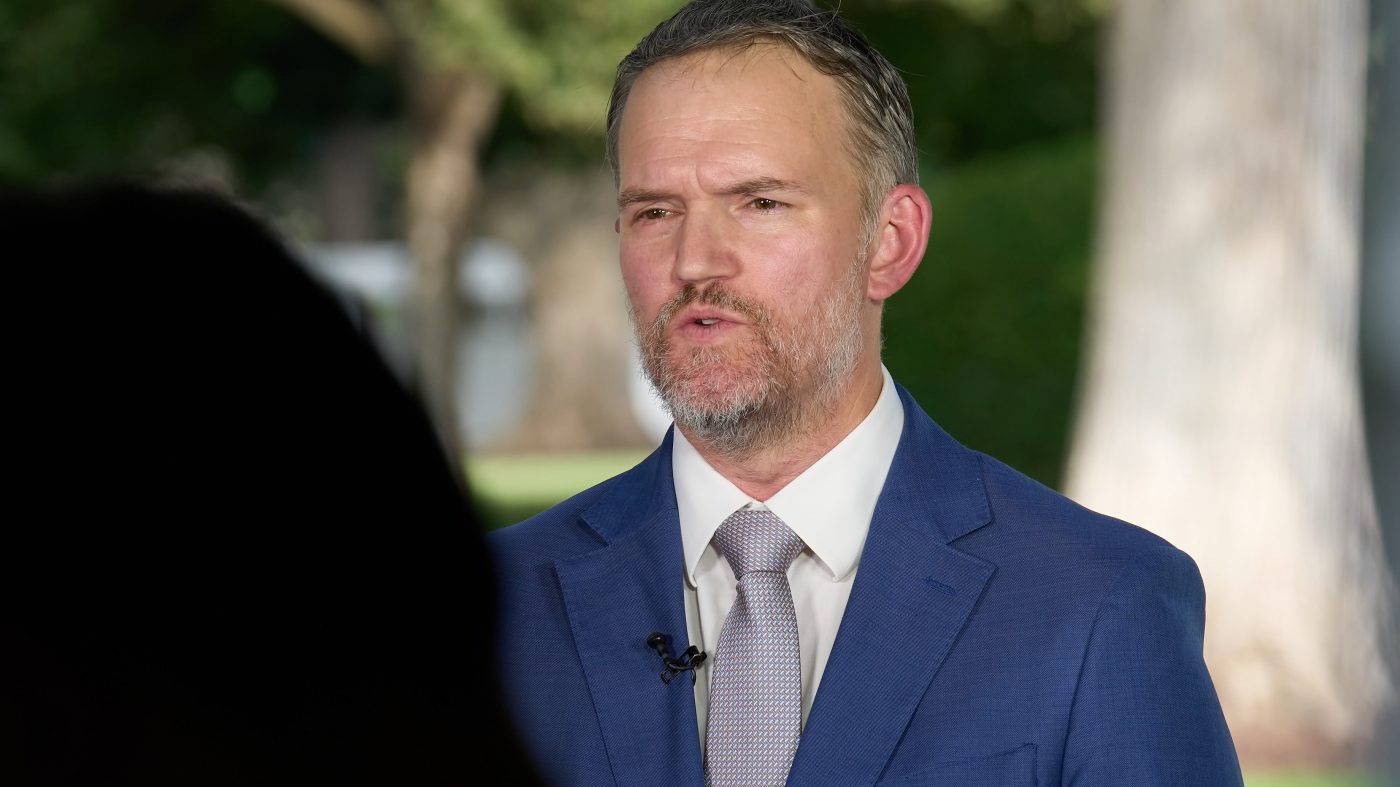
U.S. Trade Representative Jamieson Greer said Wednesday that the Trump administration will not tolerate further retaliation from Canada in the escalating trade war, after Ottawa matched American tariffs dollar-for-dollar.
“If there’s further retaliation from the Canadian side, we, of course, we’re not going to just sit down and take that. Our view is don’t retaliate,” Greer told CBC’s “The National.” He acknowledged the political pressure in Canada but insisted Washington would proceed with its own trade agenda.
“I know how people are feeling in Canada and what they think. So, you know, it’s unfortunate, but it is what it is. And we have our own trade policy, and we’ll proceed with it in the way that’s best for the United States,” Greer added.
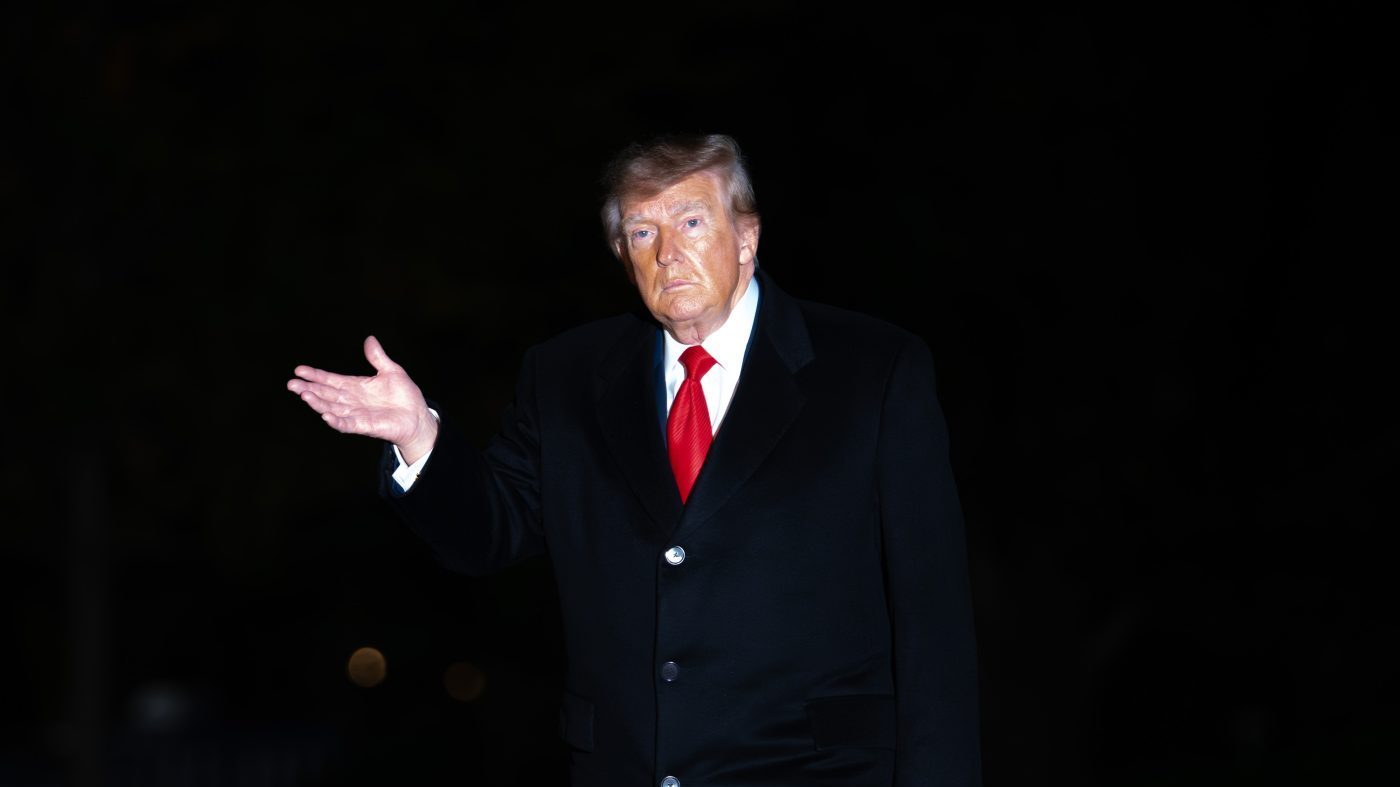
The dispute began Sunday when President Trump imposed a 50 percent tariff on roughly $20 billion worth of Canadian goods, after talks with Ottawa collapsed. Greer said Canada had demanded concessions that were “too much” for the administration to accept at the time.
“It wasn’t something we could do at the time. We felt that giving them the best deal in the world would have been enough to get us over the hump and put us on a positive track to even bigger and better things,” he said.
Prime Minister Mark Carney responded with retaliatory import taxes scheduled to take effect September 8. Greer noted that Canada is now the only major trading partner actively countering U.S. tariffs, aside from China, with which Washington has largely settled its differences.
“Canada is the only country to retaliate against us besides China. And even with China, we’ve kind of settled out. So really, it’s just Canada at this point,” Greer said, adding that Ottawa needs to do more to protect the North American market.
The Trump administration has pursued sweeping tariffs to boost domestic manufacturing and discourage outsourcing, but the effort has faced legal hurdles. The Supreme Court struck down the bulk of the emergency levies earlier this year, prompting the administration to seek alternative legal avenues for imposing import taxes.
The standoff has raised concerns among U.S. industries, including Maine lobster fishermen warning of collateral damage, and critics have called the tariffs irrational and harmful to the economy. Meanwhile, Trump’s personal diplomacy with China has eased tensions there, but no similar breakthrough is visible with Canada.