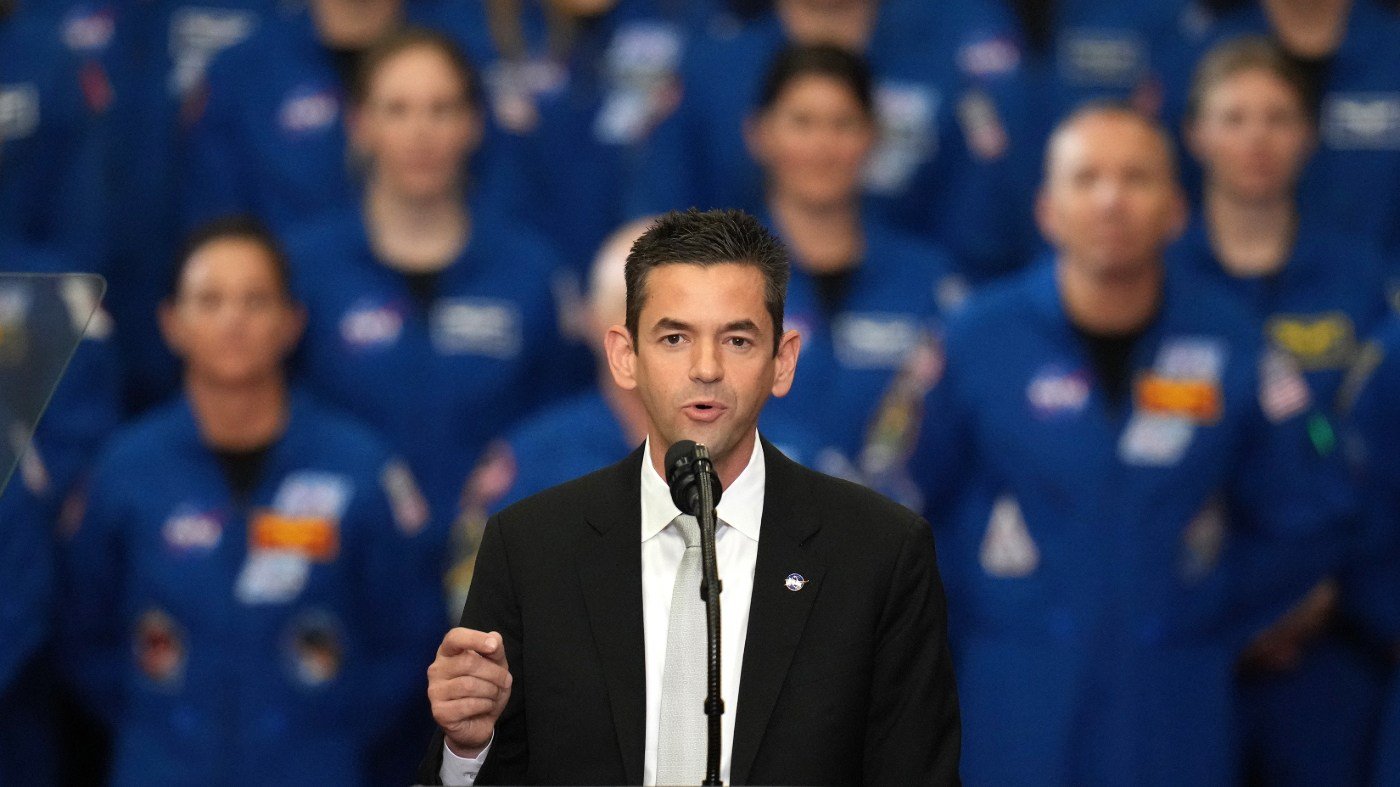
NASA Administrator Jared Isaacman is signaling a sharp change in how the United States will engage with its partners on the Artemis moon program. In a message aimed squarely at the dozens of nations that have signed the Artemis Accords, Isaacman made clear that future cooperation will be judged on whether it serves American interests—and the mission.
“I will tell you, though, and this is right from the top from the president of the United States: We’re only doing good deals, and we haven’t always done good deals,” Isaacman said, according to Ars Technica.
That hard-nosed posture marks a break from the early days of the Accords, when the focus was on signing up as many countries as possible. Isaacman now concedes that the effort to “make everyone happy” has at times been “a drag on the mission instead of accelerating it.” He added, “You can’t do that, and we’ve changed that now, and as a result, good deals are happening.”
Isaacman’s business background—he built a nearly $2 billion fortune from scratch—helps explain the shift. Under his leadership, NASA is treating international participation less like diplomacy and more like a transaction: if a country wants its astronauts on the moon, it needs to bring something substantial to the table.
Japan and Italy have already done so. Under a 2024 agreement, Japan will send two astronauts to the lunar surface, with one potentially flying on Artemis IV—the first crewed landing since Apollo 17 in 1972. In exchange, Japan is providing a pressurized lunar rover that can support astronauts for up to 30 days and operate autonomously. Italy, meanwhile, will also get astronaut seats on future Artemis missions in return for a habitat module capable of housing two astronauts for seven to 30 days, possibly with wheels for precise placement.
Their deals offer a template for others. Canada is well positioned, having already secured a seat for astronaut Jeremy Hansen on the Artemis II flyby. Wealthy European nations like the United Kingdom, France, Germany, and Poland could also negotiate astronaut flights. In Asia, India and South Korea have growing space programs, while Saudi Arabia, the United Arab Emirates, and Israel are potential partners in the Middle East.
The model echoes the International Space Station, where Europe, Japan, and Canada contributed modules and robotics in exchange for crew time. Russia later joined with its own module and Soyuz rides. For countries that prefer an alternative, China’s International Lunar Research Station has attracted Pakistan, Egypt, and Russia, but the Rand Corporation warns of technology espionage and limited returns.
Eventually, commercial players like SpaceX and Blue Origin could make national space agencies unnecessary for lunar access. As SpaceX advances its Starship program, a truly commercial space age may dawn—one where the moon is open for business without the blessing of any government.