Transgender rights advocates who once saw Justice Neil Gorsuch as a potential swing vote on the Supreme Court have seen those hopes evaporate after this week's ruling upholding state bans on transgender athletes. The decision, which split 6-3 along ideological lines, marks a definitive break from the optimism that followed his 2020 opinion in Bostock v. Clayton County, where he ruled that employers cannot fire workers for being gay or transgender.
In a solo concurrence, Gorsuch dismissed any assumption that his earlier reasoning would apply broadly, writing that such a view is a “mistake.” He argued that the Bostock decision was a narrow interpretation of Title VII of the Civil Rights Act and did not dictate outcomes under different statutes like Title IX or the Constitution. “All of that is consistent with the course the Court takes today,” he wrote.

The ruling comes on the heels of a string of losses for transgender rights at the high court. Over the past year, the justices have upheld bans on gender-affirming care for minors, allowed parents to opt children out of lessons with LGBTQ-themed books, and permitted the Trump administration to enforce a ban on transgender military service. While each case involves distinct legal questions, the cumulative effect has left advocates disappointed but not surprised.
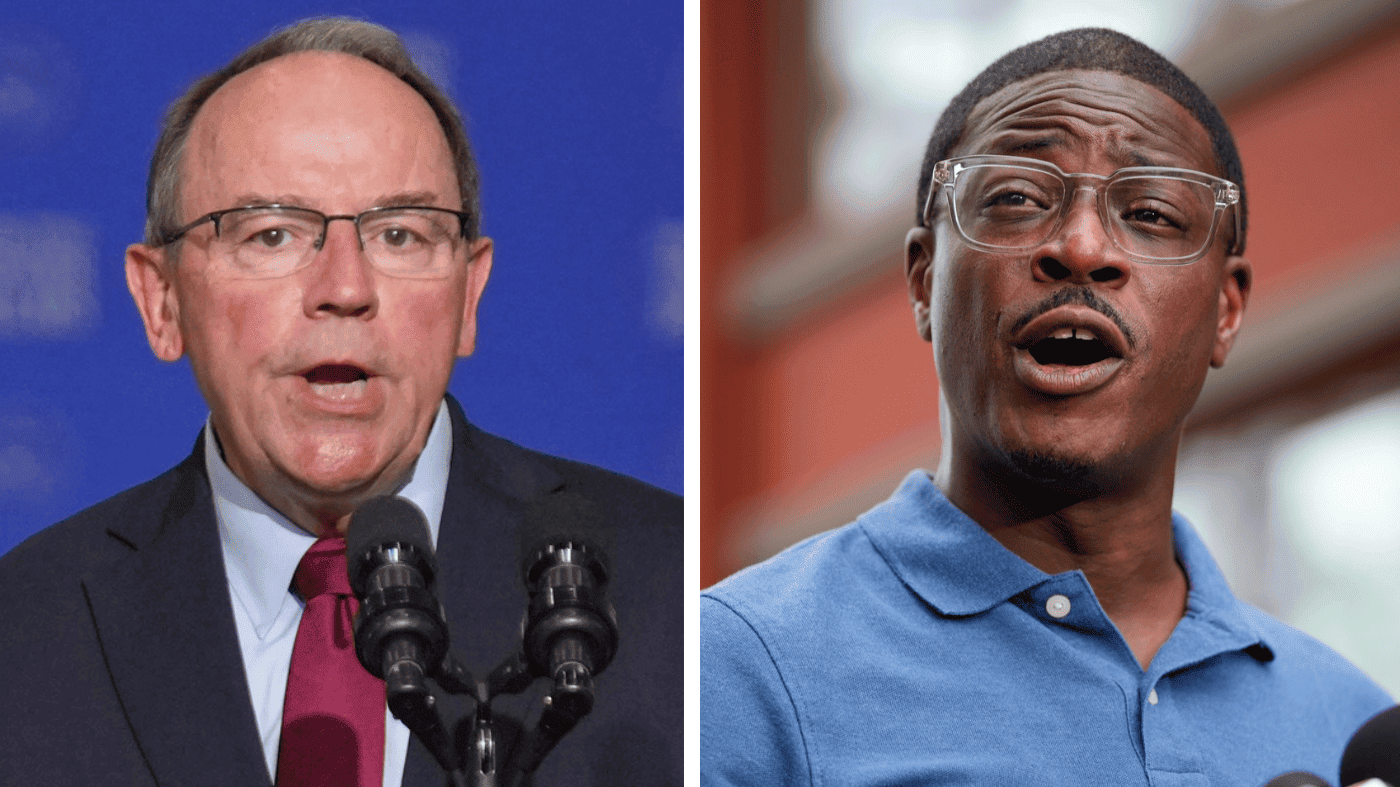
Joshua Block, senior counsel at the ACLU's LGBTQ & HIV Project who argued the athlete ban case, noted that the procedural posture signaled the outcome from the start. “There’s no question that the court is not on a good trajectory,” Block said. “And so, I think a lot of the issue in these cases is how far, how big is each step the court makes.”
Anthony Sbardellati, a partner at Grove Law who filed a friend-of-the-court brief for the Transgender Law Center, expressed bewilderment at Gorsuch's shift. “In Bostock, he seemed to agree that discrimination on the basis of transgender status was a violation of the law, and in these most recent cases, he seems to have discarded that under the guise of there’s a different legal rubric at play here,” Sbardellati said.
The 2020 Bostock decision was a landmark win for LGBTQ rights, with Gorsuch writing for the majority that “an employer who fires an individual merely for being gay or transgender defies the law.” That opinion, joined by Chief Justice John Roberts and the court's liberals, came just months before Justice Ruth Bader Ginsburg's death and her replacement by Justice Amy Coney Barrett, solidifying the conservative majority.
This week's ruling on transgender athlete bans, which upheld laws in Idaho and West Virginia, rejected challenges under both Title IX and the 14th Amendment's equal protection clause. The 29-page majority opinion, while a setback, did not deliver the broadest possible reading. Block noted that the court stopped short of declaring Bostock inapplicable to Title IX entirely, which could have threatened protections for transgender students in other contexts like bathroom access or bullying.
“There’s a big concern the court was going to say Bostock doesn’t apply to Title IX at all, which would mean that schools could expel someone for being trans or bullying against trans people wouldn’t be actionable,” Block said. He found aspects of Gorsuch's separate opinion “encouraging,” particularly the justice's emphasis on applying statutory text rather than wading into broader cultural debates.
Gorsuch wrote: “I appreciate that questions surrounding the participation of transgender athletes in women’s and girls’ sports are subjects of intense debate nationwide. The questions surrounding Bostock were too. But as there, our charge here is not to resolve those debates, only to apply faithfully directives found in a federal statute.”
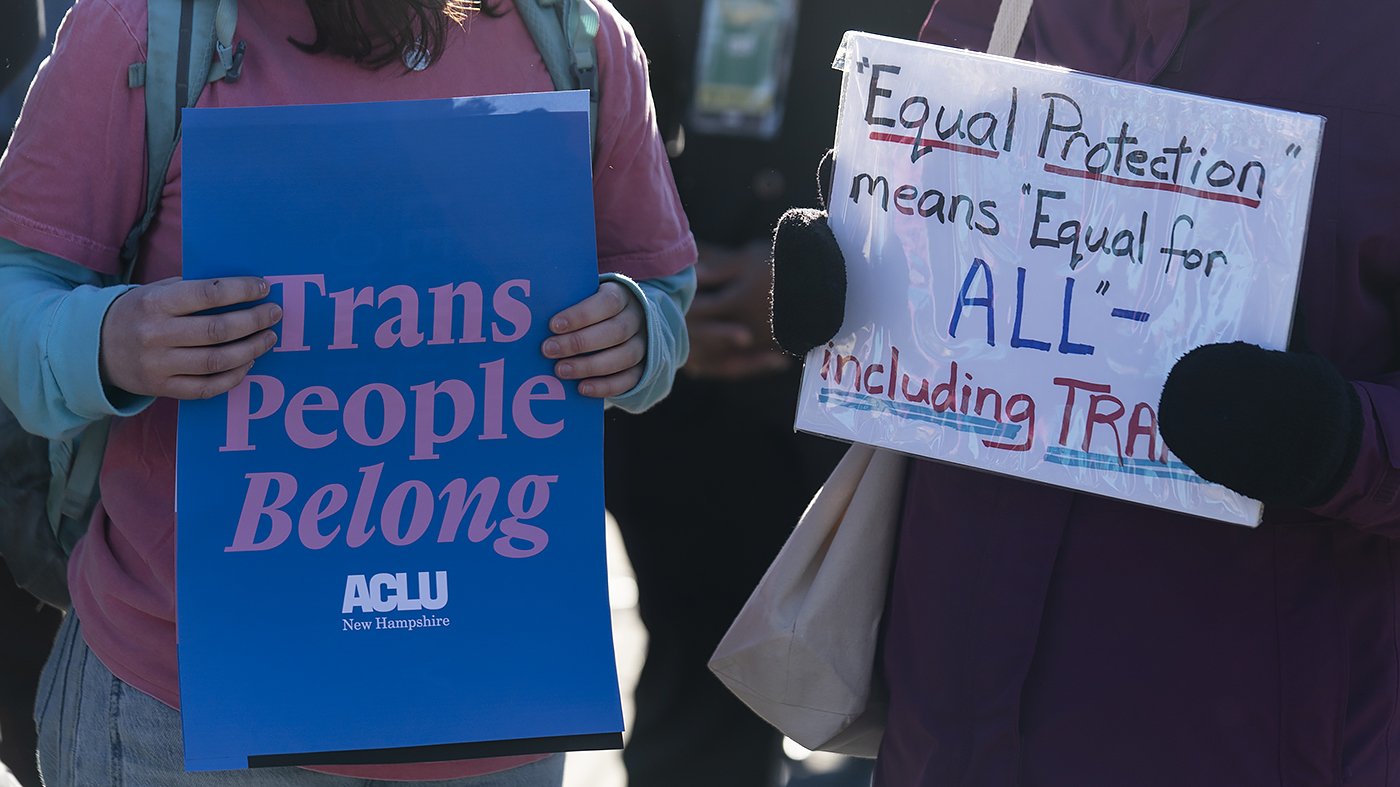
Advocates now turn their attention to upcoming battles over bathroom and locker room access, as well as the broader implications of the court's trajectory. The ruling also aligns with recent political developments, including Melania Trump's public backing of the athlete ban and Justice Clarence Thomas's concurrence labeling transgender identity a “lie,” as reported in Thomas Labels Transgender Identity a 'Lie' in Supreme Court Athlete Ruling. The decision capped a term that also saw the court uphold birthright citizenship, a ruling that sparked clashes between GOP legal minds and Trump.