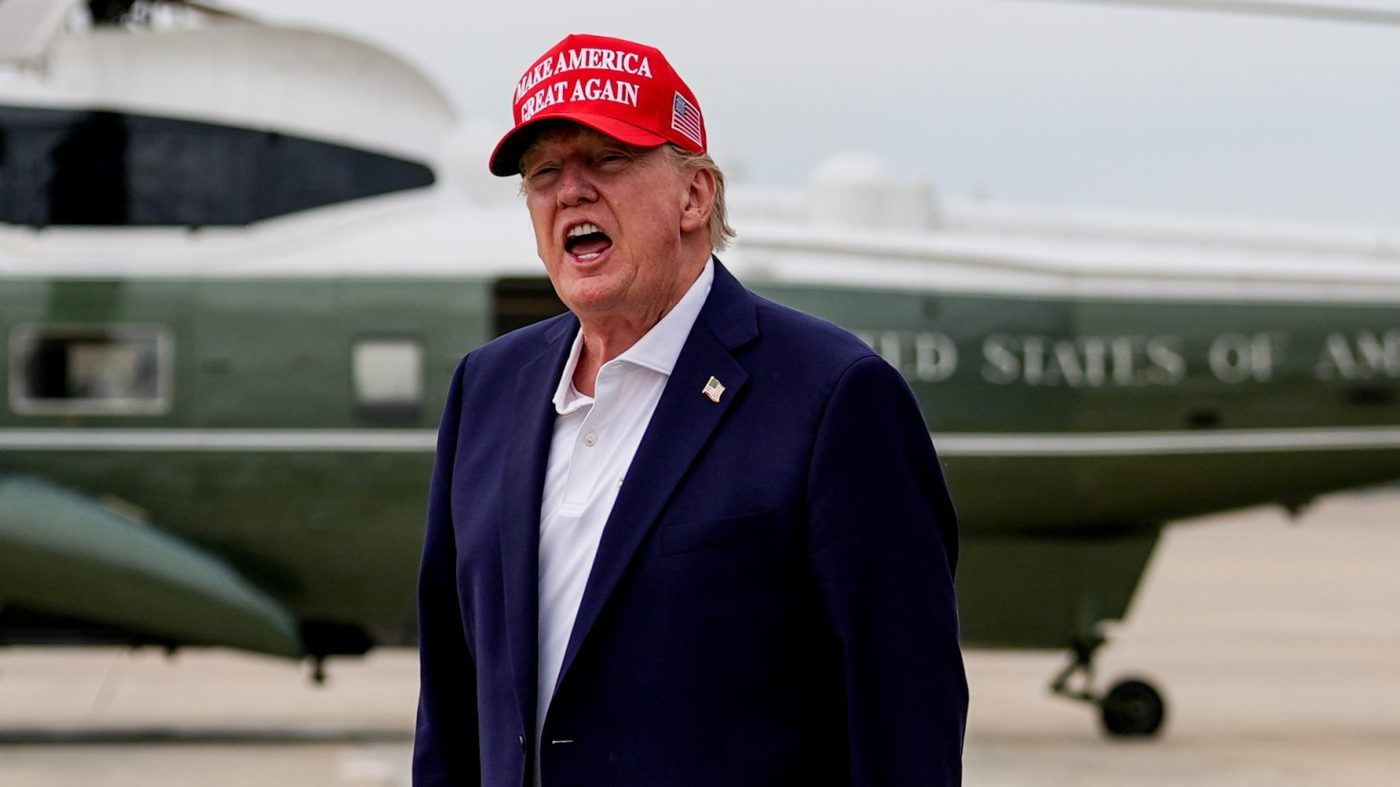
President Trump on Sunday took to Truth Social to accuse vandals of wrecking the grass near the World War II Memorial, where thousands gathered for a July 4 celebration organized with White House support. He posted images of a grassy field marred by brown patches, writing, "Look what VANDALS did to the grass connecting the vandalized World War II Monument and the vandalized Reflecting Pool, which will be opened again, and better than ever, shortly."
Trump added, "Anybody who thinks the Reflecting Pool wasn't vandalized should go back to Law School," a jab that seemed aimed at critics who question his claims about damage to federal landmarks.
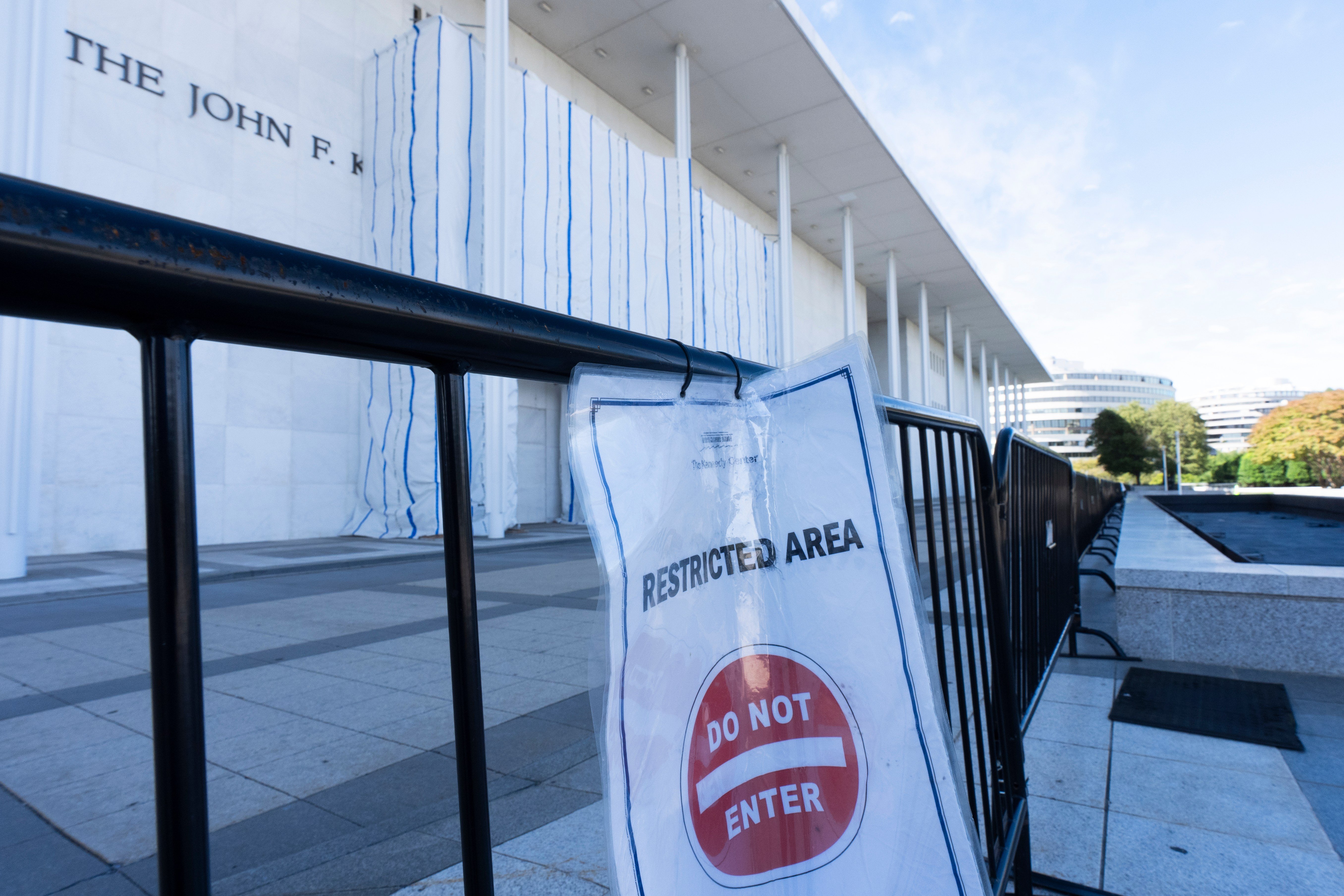
The president's remarks come days after U.S. Attorney Jeanine Pirro announced charges against Melissa L. Farris, accused of scrawling "Clean hands dirty $" on the World War II Memorial. However, the charging documents do not reference the grassy area Trump highlighted in his post. That patch of lawn sits near the memorial and the Reflecting Pool, both of which have been at the center of a simmering dispute over alleged vandalism.
Photographs taken by The Associated Press during the breakdown of the Independence Day festivities show that a large bandstand had been erected directly over that stretch of grass. The weight and foot traffic from the event likely caused the discoloration, rather than any deliberate act of vandalism. The National Mall has long been a venue for large public gatherings, and temporary structures routinely leave temporary marks on the turf.
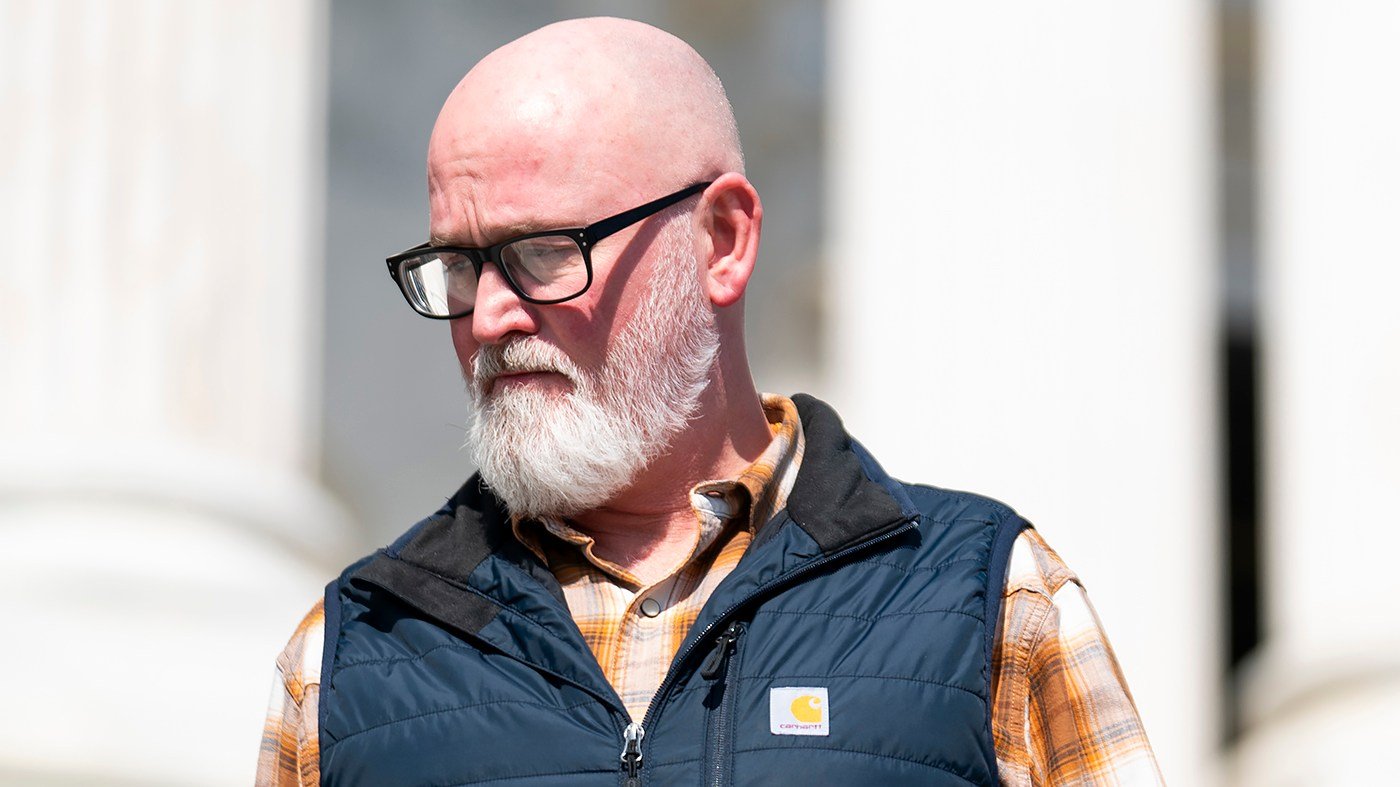
Trump's frustration with Pirro has been building in recent weeks. He has publicly criticized her for failing to charge individuals with crimes tied to defacing federal property, including the newly renovated Lincoln Memorial Reflecting Pool. Under federal law, such vandalism can carry up to ten years in prison. Earlier this month, the Justice Department moved to drop charges against former Olympian David Hearn and others connected to peeling blue paint at the reflecting pool and other reported damage.
The Interior Department is assisting in investigations into the vandalism claims, though no new charges have been announced in connection with the grass damage. The president's latest allegations add another layer to his ongoing clash with federal prosecutors over how they handle cases involving public monuments.
This is not the first time Trump has politicized damage to national landmarks. His administration has previously pushed for stricter penalties for those who deface statues and memorials, and he has used such incidents to rally supporters ahead of elections. The July 4 celebration itself was a heavily promoted event, with the president delivering remarks from the White House and military flyovers drawing large crowds.
Critics, however, point out that the brown patches are a predictable consequence of hosting a massive event on the National Mall, and that blaming vandals distracts from the real issue of preserving the nation's iconic green spaces. The National Park Service, which manages the Mall, has not commented on Trump's claims, but officials have previously noted that temporary stages and equipment can stress grass, requiring reseeding or restoration after events.
As the investigation continues, the political fallout is likely to persist. Trump's allies have seized on the vandalism narrative to argue that his administration is defending American heritage, while opponents see it as another example of the president manufacturing controversies. For now, the condition of the grass remains a symbol of the broader fight over how the country's monuments are treated—and who gets blamed when they aren't perfect.