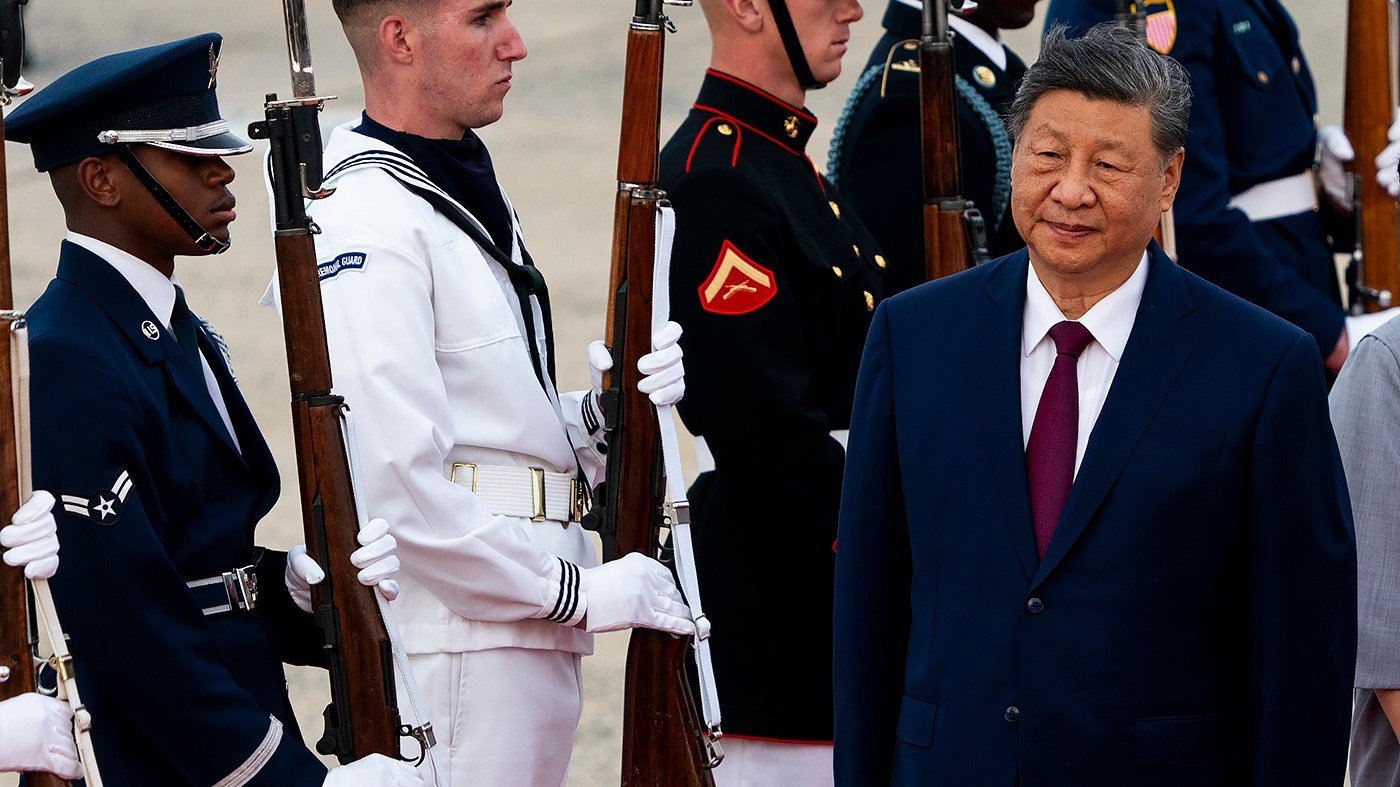
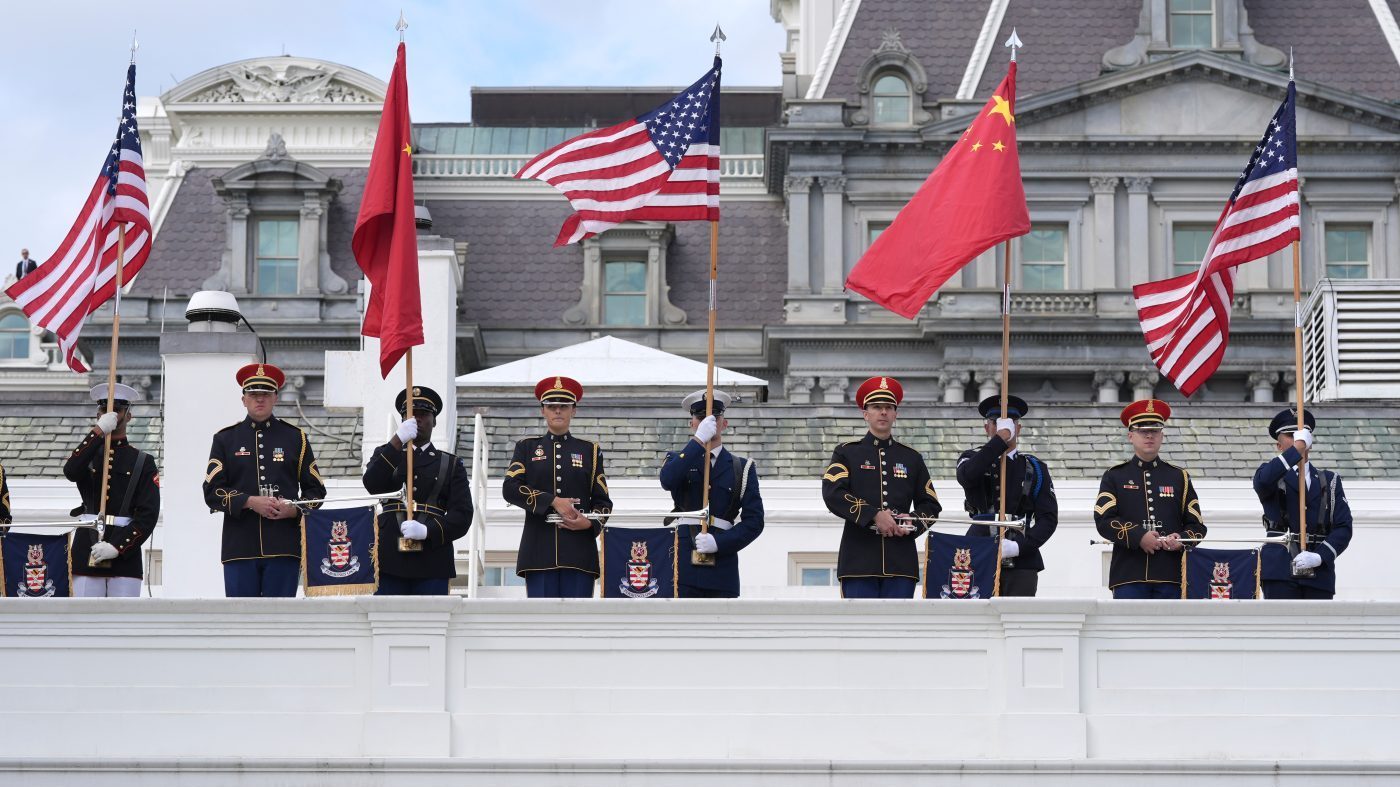
Republican senators are voicing sharp criticism of President Trump's elaborate welcome for Chinese President Xi Jinping, following revelations that Iran used Chinese satellite imagery to target U.S. troops in Jordan. The two-day summit at Joint Base Andrews, featuring a 21-gun salute and B-1 bomber flyover, drew rebukes from GOP lawmakers who learned of deepening Sino-Iranian military ties in a classified briefing Thursday.
Sen. Lisa Murkowski (R-Alaska) called the military honors "over the top," saying, "Personally, I felt that the 21-cannon volley and the red carpet was a little bit over the top — the flyover. I don't think we need to do that." She stressed that while welcoming Xi is appropriate, "it's equally appropriate that you ask him really tough questions."
Sen. John Cornyn (R-Texas), a member of the Senate Intelligence Committee, expressed unease about the optics of the summit given tensions over Iran, Taiwan, and the AI race. "I understand the importance of engagement and diplomacy but inviting Putin to the G20 and rolling out the red carpet for President Xi, I'm not enthusiastic about that," he said. Cornyn warned of a new "axis" of China, Russia, Iran, and North Korea, and urged Trump to recognize Putin as "a stone-cold killer."
The White House defended the summit, with spokesperson Anna Kelly stating that Trump is "reciprocating" Xi's hospitality from his May visit to Beijing. "President Trump will forge relationships with anyone in order to advance our national interests and make good deals for the American people," Kelly said.
During their meeting, Trump hailed a "truly great friendship" with Xi, while Xi emphasized that U.S. and Chinese interests "are deeply intertwined." Xi announced symbolic gestures, including sending two pandas to an Atlanta zoo and inviting 100,000 U.S. students to China. But these were overshadowed by the senators' briefing on Chinese military assistance to Iran, which may have increased the lethality of Iranian strikes on U.S. and allied targets.
Sen. Richard Blumenthal (D-Conn.) said he left the briefing "shocked and deeply alarmed about what China is doing to aid Iran, which is seeking to kill our military men and women." He urged Trump to tell Xi to "stop it, knock it off," rather than feting him.
Sen. John Curtis (R-Utah) echoed that sentiment, hoping Trump would raise the issue and "let him know U.S. disappointment and that has consequences." Curtis also criticized Trump's invitation to Putin for the G20 in Miami, saying, "We need to clarify who our friends are and who our enemies are."
Sen. Kevin Cramer (R-N.D.) noted reports that Iran used Chinese satellite imagery in the attack that killed three U.S. service members in Jordan. "It's fine he's here, and it's fine that he treats him like a foreign leader, but it's also important that he confronts these issues with him," Cramer said, adding that Trump must be "really strong" on national security, including China's interception of F-35 parts, which the Pentagon is investigating.
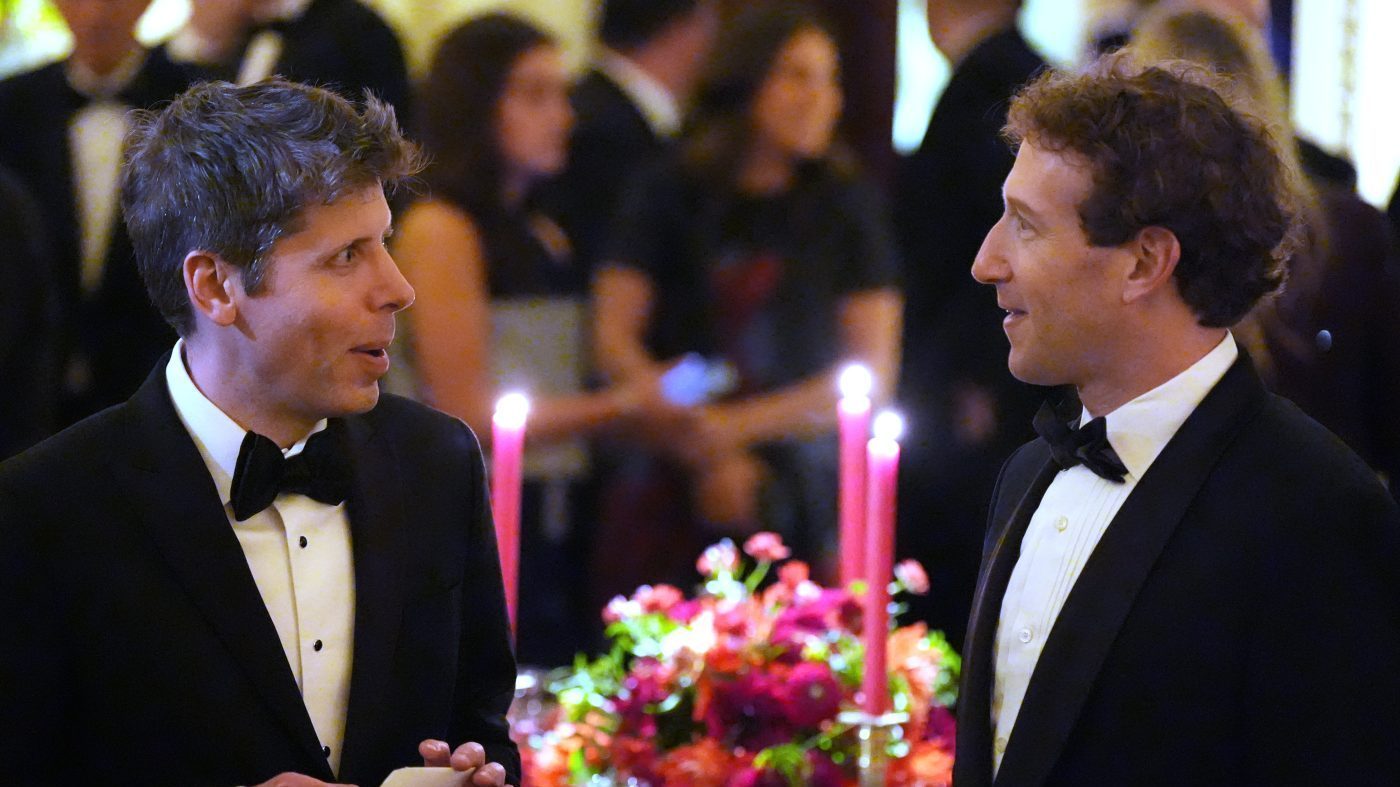
The summit's guest list, dominated by tech executives, drew attention as well, while Trump accused CNN and MSNBC of skipping coverage. Meanwhile, AI oversight was a point of alignment, but differences on global rules persisted. As the state dinner approaches, Republican senators are pressing Trump to use the occasion to demand real concessions from Beijing, particularly on trade and military cooperation with Tehran.