Senate Republicans are racing to resolve the longest shutdown of the Department of Homeland Security in history, but many fear that Democrats will provoke an even more damaging government funding crisis this fall. With the current DHS closure stretching into its second month, GOP leaders are scrambling to pass a budget resolution this week that would provide a framework for a reconciliation bill to fund Immigration and Customs Enforcement and Border Patrol through 2029—bypassing a Democratic filibuster.
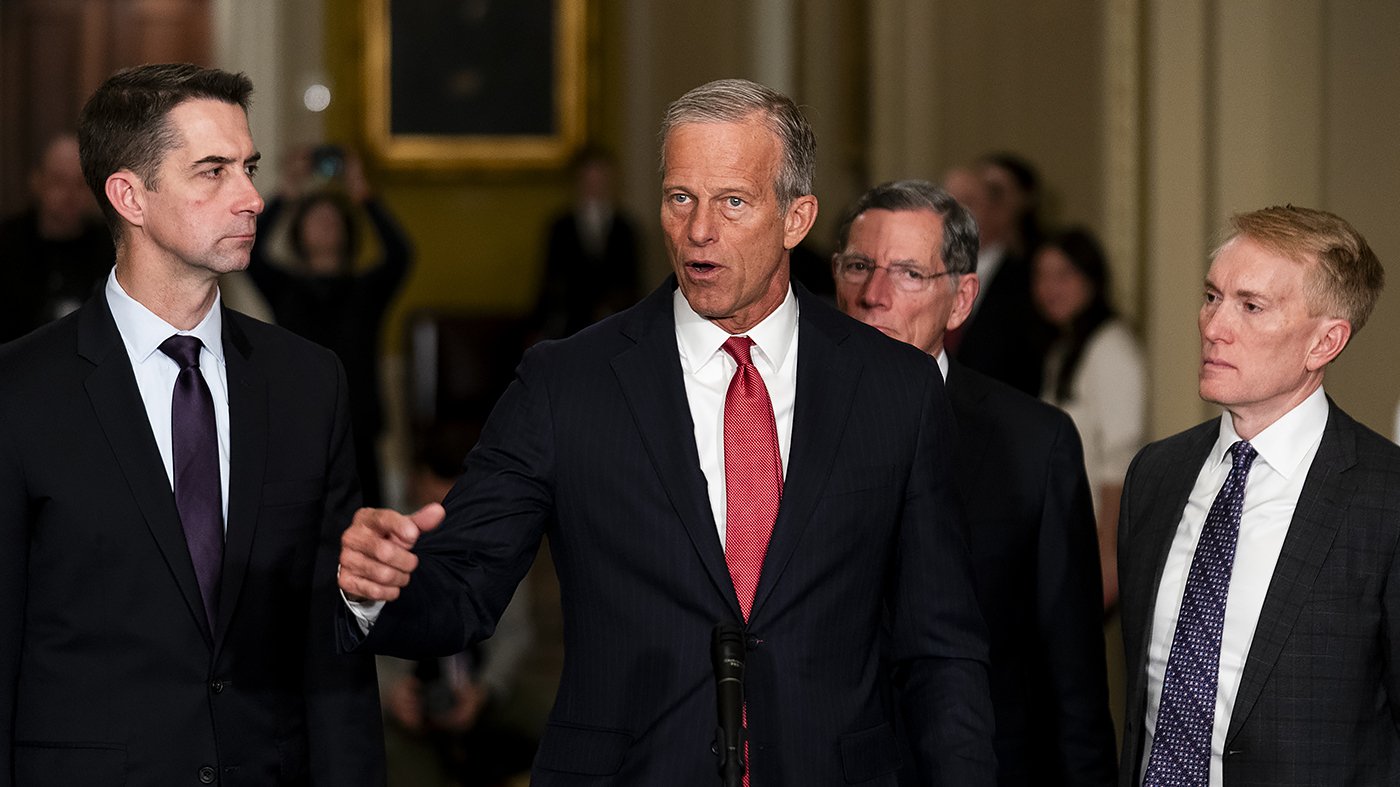
Yet even if that measure succeeds, Republican senators worry that Democrats will use the regular appropriations process in September to force another shutdown, potentially crippling the government just before Election Day. Senate Majority Leader John Thune (R-S.D.) acknowledged the deepening dysfunction, telling reporters, “I’m very concerned about the appropriations process,” and predicting Democrats would never agree to fund ICE and Border Patrol under President Trump.
Sen. Roger Marshall (R-Kan.) bluntly accused Minority Leader Chuck Schumer of plotting a series of shutdowns. “You can bet on it that that’s Chuck Schumer’s game plan, to shut the government down at every chance he gets,” Marshall said, advocating for any legislation that could prevent another funding lapse. Sen. Ted Cruz (R-Texas) went further, wagering $100 on CNBC that Schumer would engineer a full government shutdown on October 1 to create chaos ahead of the midterms. “The Democrats can say, ‘See, the Republicans are in charge, they don’t know what they’re doing,’” Cruz predicted.
Democrats reject these accusations, insisting they are using their limited leverage in a GOP-controlled Washington to advance popular priorities, such as extending ObamaCare subsidies or reforming immigration enforcement. But Republicans remain skeptical. Sen. Josh Hawley (R-Mo.) argued that Democrats see “more chaos, the better” before Election Day, making another shutdown likely.
To mitigate the fallout, Thune said GOP senators are discussing competing proposals from Sens. Ron Johnson (R-Wis.) and James Lankford (R-Okla.) that would require essential federal workers to be paid during a shutdown or automatically enact stopgap funding measures. These ideas were debated at a Tuesday lunch meeting. “Anything that we can do that would ensure that the Democrats don’t decide once again to play partisan political games with the functioning of our government would be a good outcome,” Thune said.
One option is attaching shutdown-prevention legislation to the upcoming budget reconciliation package, which would move on a fast track and bypass a Democratic filibuster. However, questions remain about whether the Senate parliamentarian would rule such language compliant with the Byrd Rule, which governs what can pass with a simple majority. Thune noted “a ton of support out there among all the labor unions” for paying essential workers during shutdowns but acknowledged the procedural hurdles.
Meanwhile, Speaker Mike Johnson (R-La.) has refused to bring a Senate-passed bill funding most of DHS—except ICE and Border Patrol—to the House floor. He insists on waiting for the reconciliation measure. Sen. Johnson has reached out to House conservatives, suggesting they might back the DHS appropriations bill if paired with a shutdown-prevention act. The Senate voted 52-46 on Tuesday to proceed to the budget resolution, setting up a series of amendment votes later this week.
The current DHS shutdown, now the longest in U.S. history, broke the previous record of 43 days set last fall over Democratic demands for health care subsidies. Republicans argue the regular funding process is irreparably broken after two bruising standoffs in Trump’s second term. As the party in control of both Congress and the White House, they fear another shutdown would inflict severe political damage.
In related developments, the Trump administration has faced legal setbacks, including a federal judge blocking rules that would slow renewable energy projects, while tensions with Iran persist amid a ceasefire extension and military blockade. The GOP’s internal strategy sessions underscore the high stakes as they navigate a volatile funding landscape.