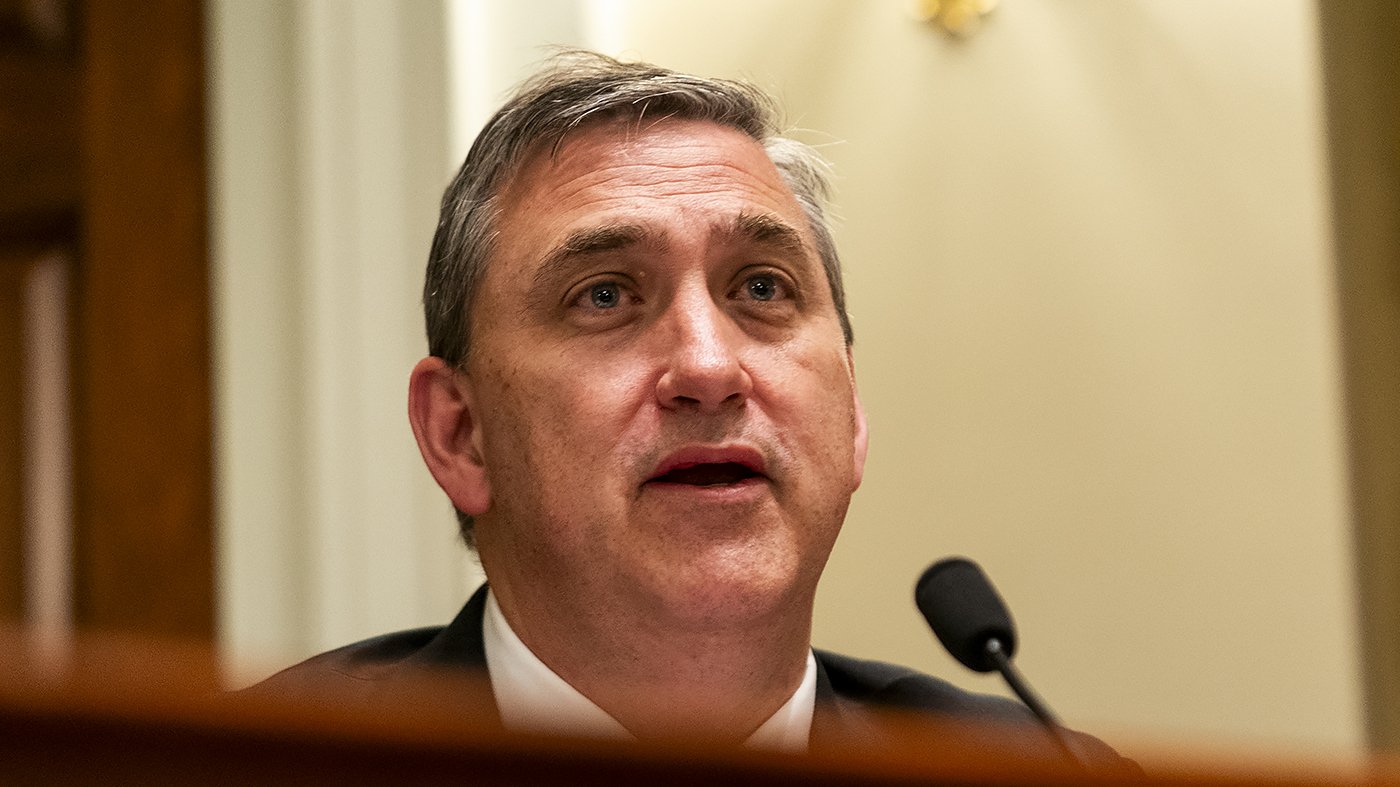
Republican Representative Nathaniel Moran of Texas publicly distanced himself from President Trump on Tuesday, explicitly rejecting the president's threat that a "whole civilization will die tonight" if Iran did not meet his demands. Moran's statement, issued on social media, marked a significant fracture within the GOP as the administration escalated pressure on Tehran.
"Let me be clear: I do not support the destruction of a 'whole civilization,'" Moran wrote. "That is not who we are, and it is not consistent with the principles that have long guided America." He emphasized that while he supports a strong national defense, "how we protect the lives of the innocent is just as important as how we engage the enemy."
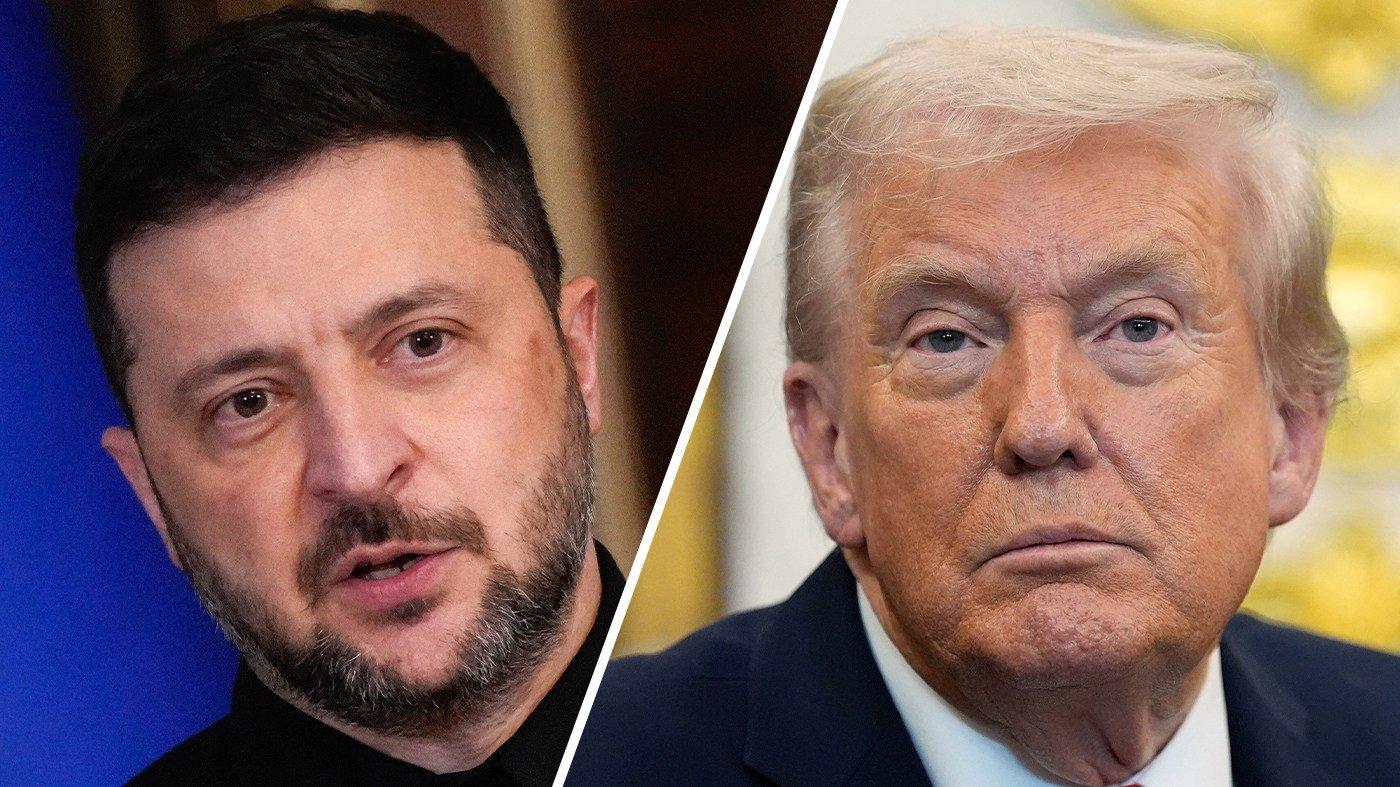
Moran's rebuke came hours before President Trump announced he was delaying his 8 p.m. deadline for Iran to strike a peace deal, pushing it back by two weeks. Trump had been demanding Iran reopen the strategic Strait of Hormuz, a critical chokepoint for roughly one-fifth of the global oil supply. His ultimatum included a threat to strike Iranian infrastructure.
The president's specific warning that "a whole civilization will die tonight, never to be brought back again" unless "something revolutionarily wonderful" occurred drew immediate condemnation from several quarters of his own party. This internal GOP dissent highlights the deepening division over Trump's aggressive Iran posture.
Republican Backlash Grows
Senator Lisa Murkowski, a Republican from Alaska, issued a forceful critique on the same platform, arguing the threat "cannot be excused away as an attempt to gain leverage in negotiations." She called the rhetoric "an affront to the ideals our nation has sought to uphold" and warned it "undermines our long-standing role as a global beacon of freedom." Murkowski urged all parties to de-escalate, stressing the need to distinguish Iran's government from its people and ancient civilization. Her break with the president was particularly stark.
Other Republican voices joined the chorus. Representative Don Bacon of Nebraska suggested the threat "primarily undermines his support here at home and with allies. It's all about trust." Meanwhile, Representative Kevin Kiley of California, who recently left the Republican Party to become an independent, stated plainly: "The U.S. does not destroy civilizations. Nor do we threaten to do so as some sort of negotiating tactic."
These criticisms unfolded against a backdrop of frantic, last-minute diplomacy. Pakistan had presented a potential deal to the Trump administration, and by Tuesday night, the president indicated that a 10-point plan from Iran was a "workable proposal," leading to the deadline extension. The pause suggests a potential off-ramp from the immediate crisis.
Broader Context and Iranian Response
In his statement, Representative Moran framed his objection in moral and strategic terms, arguing that America's legitimacy as a global leader depends on conducting military operations "for just causes and through just and moral means." This sentiment reflects a growing concern among some national security-minded Republicans that Trump's rhetoric could alienate allies and erode America's diplomatic standing.
For its part, Iran signaled a conditional openness to talks. The country's envoy to the United Nations, Amir-Saeid Iravani, said Tuesday that Tehran is willing to engage in "genuine" negotiations to end regional conflict but explicitly rejected accepting only a temporary ceasefire. The international community now watches to see if the two-week window yields substantive diplomacy or merely postpones a confrontation.