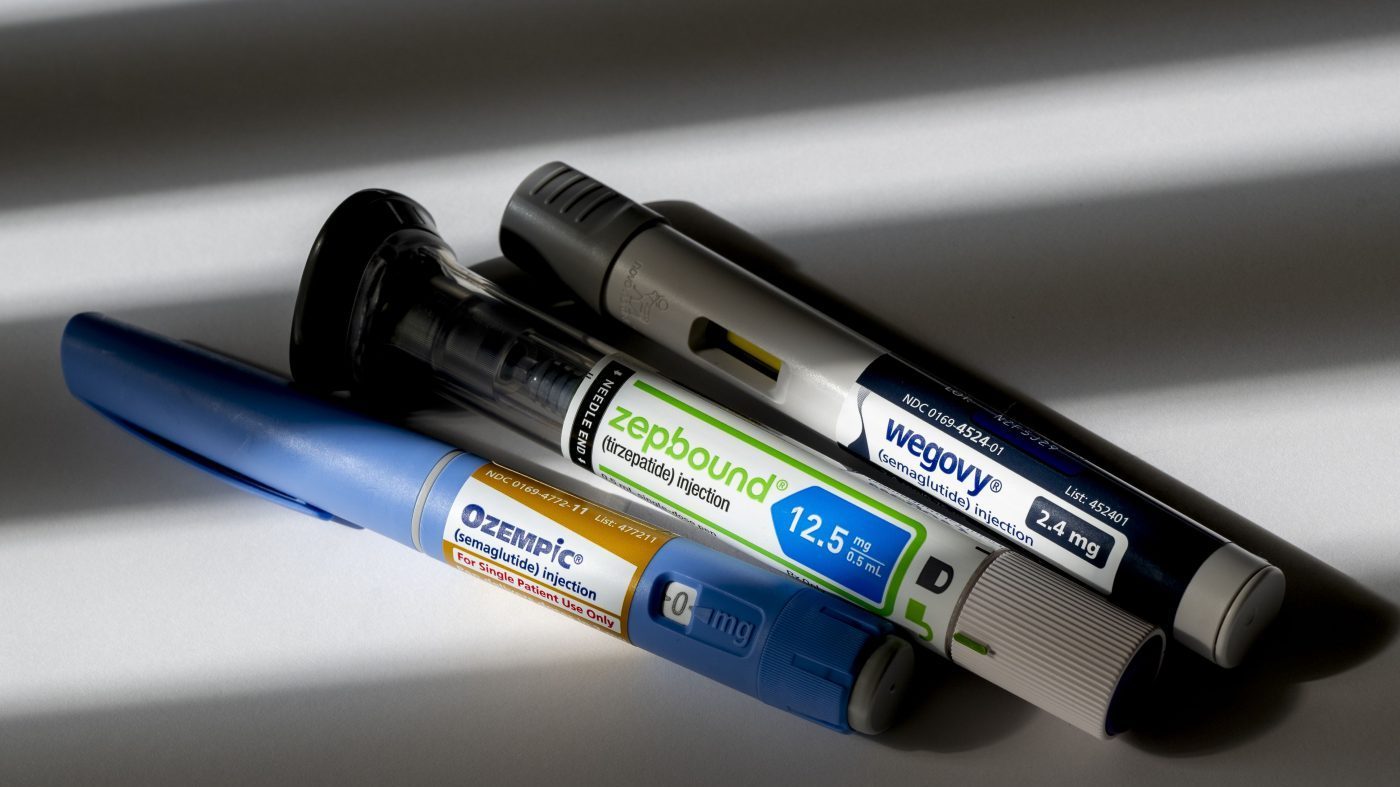
The blockbuster class of GLP-1 medications, already known for unexpected effects ranging from surprise pregnancies to dental issues, is now drawing attention for a potentially transformative benefit: helping people overcome addictions.
As these drugs—marketed under names like Ozempic, Mounjaro, Wegovy, and Zepbound—have surged in popularity, with roughly 15% of Americans reporting they've tried one, researchers are uncovering effects that extend far beyond weight loss and blood sugar control. Among the most intriguing is their apparent ability to dampen cravings for alcohol, nicotine, and even illicit drugs.

Dr. Eugene Lucas, a professor and coordinator of the Psychiatric Mental Health Nurse Practitioner Program at Wilkes University, notes that physicians have observed this phenomenon for years. "This drug has been available in the medical community since 2005," he said. "Over time, when physicians are ordering these medications for people with obesity, diabetes, they're finding that if they have a concurrent addictive disorder, and specifically alcohol, that they're either cutting back or stopping their alcohol use."
Recent large-scale studies lend statistical weight to these clinical observations. A Swedish study tracking more than 200,000 individuals found that those using a GLP-1 drug had a significantly lower risk of hospitalization due to alcohol use disorder. Meanwhile, research from the Washington University School of Medicine, analyzing data from 600,000 veterans with type 2 diabetes, showed that these medications were associated with a reduced risk of developing any substance use disorder.
Dr. Ziyad Al-Aly, the senior author of the veterans study, highlighted the potential significance: "In addiction medicine, a lot of treatments target just one thing – for example, a nicotine patch helps with smoking, but not alcohol – but there is no medication that works across addictive substances, let alone all of them." If GLP-1s can indeed work across multiple addictions, they could represent a breakthrough in treatment paradigms.
However, addiction treatment is not yet an FDA-approved use for these drugs. Dr. Lucas believes that could change if ongoing research continues to yield positive results. He cautions that the evidence is strongest for alcohol, while findings for other substances remain preliminary. "The focus has been mostly on alcohol," he said. "There have been some studies done on cocaine, methamphetamine, and opioid addiction, but the findings are not conclusive."
Scientists are still unraveling the mechanisms behind this effect. Al-Aly suggests that GLP-1s may act on the brain's craving centers. "It blunts that craving that pulls people toward whatever they're addicted to," he explained. This neurological action could explain why the drugs seem to reduce the urge to engage in various addictive behaviors.
Addiction medicine specialist Dr. Samuel Parish, speaking to Nexstar's WCBD, expressed cautious optimism. "It's so exciting to see GLP-1s come into this level of the research to say, 'Hey, this is another tool that we can use to help people, reduce their alcohol intake or reach abstinence from alcohol,' whatever that goal is," he said. "But at this moment, we can't say with certainty."
As the evidence mounts, the potential for GLP-1s to serve as a versatile addiction treatment could have broad policy implications. If these drugs prove effective, they might be integrated into public health strategies, potentially reducing the burden of substance use disorders. This development also intersects with ongoing debates about workplace productivity and the role of government in healthcare, as policymakers weigh the costs and benefits of expanding access to these medications.
While the current evidence is promising, researchers emphasize the need for rigorous clinical trials to confirm these effects and to identify which patients might benefit most. The path from anecdotal observation to established treatment is long, but for millions struggling with addiction, the prospect of a new therapeutic option offers hope.