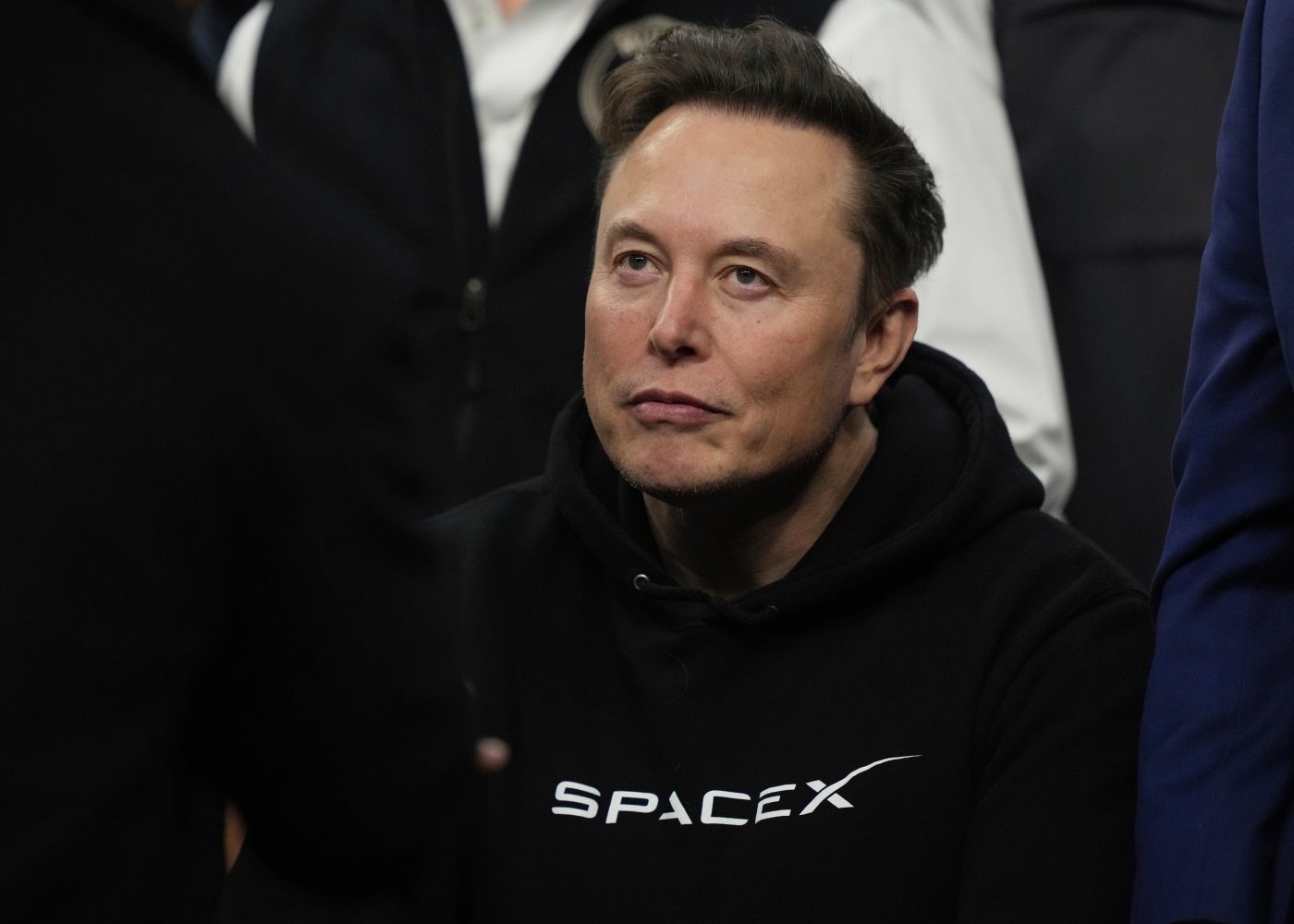
Elon Musk, the billionaire CEO of Tesla and SpaceX, pushed back forcefully on Thursday against the characterization that he supports far-right political movements, insisting in an interview with The Economist that he stands with what he called “normal people” and accusing the media of distorting conservative positions.
During the conversation, The Economist Editor-in-Chief Zanny Minton Beddoes suggested Musk had backed not just populist right-wing figures but “the far right — in fact, very fringe parties in some countries.” Musk interrupted, saying: “No, I support the normal people. What you call the far right, falsely.”
Musk, who served as a top adviser to President Donald Trump and later led the Department of Government Efficiency (DOGE), argued that many policies now labeled extreme were once mainstream. “Literally, you could go back 10 or 15 years and these policies were completely normal,” he said.
Beddoes countered that the political center of gravity in the U.S. had shifted, with the Democratic Party moving left, but pressed Musk on his support for figures like Rupert Lowe, a UK Parliament member who leads the far-right Restore Britain party. Musk repeated his defense: “It’s just normal people. Here are the principles, and tell me, which of these sound terrible. That we should have secure borders? That we should have safe cities? That we should have sensible spending? Which of those three are far right fringe?”
When Beddoes tried to respond, Musk cut her off, saying he wanted to “admonish” her and the broader media for what he called “the absurd characterization of the far right.” He added: “It is false and misleading and nonsense.”
Musk has a long history of wading into political debates, often attacking left-wing policies and mainstream media coverage. In early 2025, he endorsed the far-right German party Alternative for Germany and called for the release of far-right activist Tommy Robinson. During Trump’s campaign, Musk poured more than $250 million into supporting his return to the White House, and later faced intense backlash for DOGE’s sweeping cuts to federal jobs and programs.
Reflecting on his political involvement, Musk acknowledged he may have overstepped. “I think I got a little too involved in politics,” he said. “I got carried away, frankly.” Since leaving DOGE in late May 2025, the initiative has wound down, officially shutting down on July 4.
The interview comes amid ongoing debates about political labeling and the role of tech billionaires in shaping public discourse. Musk’s comments mirror broader tensions within the GOP, where figures like Michigan Senate candidate Stevens are navigating shifting party dynamics. Meanwhile, international issues such as Trump's Saudi nuclear deal continue to draw attention, with Musk’s influence extending beyond domestic politics.