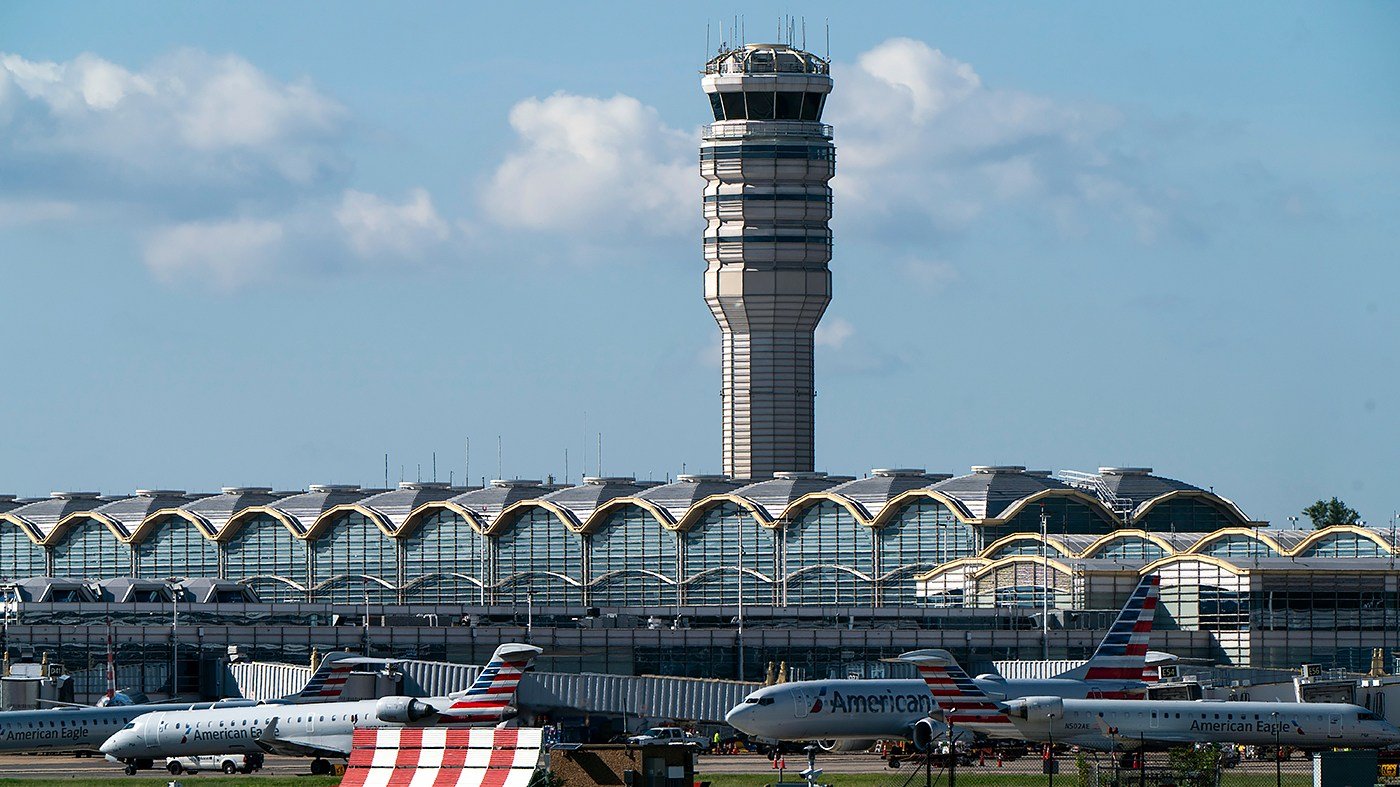
A U.S. Army investigation into the January 2025 midair collision over Washington, D.C., has concluded that systemic failures across multiple layers of the military's risk management contributed to the disaster that killed all 67 people aboard an American Airlines flight and an Army helicopter.
The 50-page report, completed in May and obtained by Politico, was released after pressure from families of the victims. Lt. Gen. Michael C. McCurry, who led the investigation, wrote that he found by a preponderance of the evidence that breakdowns across all layers of conflict management caused the accident.

McCurry identified two broken radio transmissions as the most salient contributing factor. According to the report, the Army UH-60 Black Hawk helicopter, known as PAT 25, did not receive critical details from the air traffic control tower at Ronald Reagan Washington National Airport (DCA) because of those communication failures.
The report also highlighted the role of lighting in the crash. McCurry said cultural lighting played a significant role, making it more likely than not that the helicopter crew could not distinguish the American Airlines aircraft's lights from the urban lights below. This finding aligns with a January National Transportation Safety Board (NTSB) report that recommended a study into factors degrading communications equipment performance and affecting the safety of civilian and military flight operations.
Among McCurry's recommendations, he backed an NTSB suggestion for the Army to revise its resource allocation methods to ensure the development of a robust safety management system. The crash occurred as the American Airlines flight was seconds from landing at DCA, and no one on either aircraft survived.
Families of the victims, organized under the group Families of Flight 5342, have been vocal about the need for accountability. In a statement to NewsNation affiliate WDCW, they said the helicopter crew faced city lights, limited visibility through night-vision goggles, and interrupted radio calls. The group added that the Army's own investigation describes a system that left too little room for error and too many opportunities for a mistake to become fatal.
The release of the report comes amid ongoing legal action. In September 2025, some families filed a wrongful death and negligence lawsuit against American Airlines and the federal government. The case is likely to be influenced by the findings of the Army report, which details the systemic issues that contributed to the tragedy.
This incident has also drawn attention to broader safety concerns in military and civilian aviation. The fatal midair collision at Carlisle Airport earlier this year, which killed a pilot and injured two troopers, underscores the ongoing risks. Additionally, the Army's identification of two aviators killed in a Texas Apache crash highlights the persistent dangers faced by military aviators.
The Army report's findings are expected to prompt changes in how the military manages airspace and communication with civilian air traffic control. Lawmakers and safety advocates are likely to press for swift implementation of the recommendations to prevent similar tragedies.