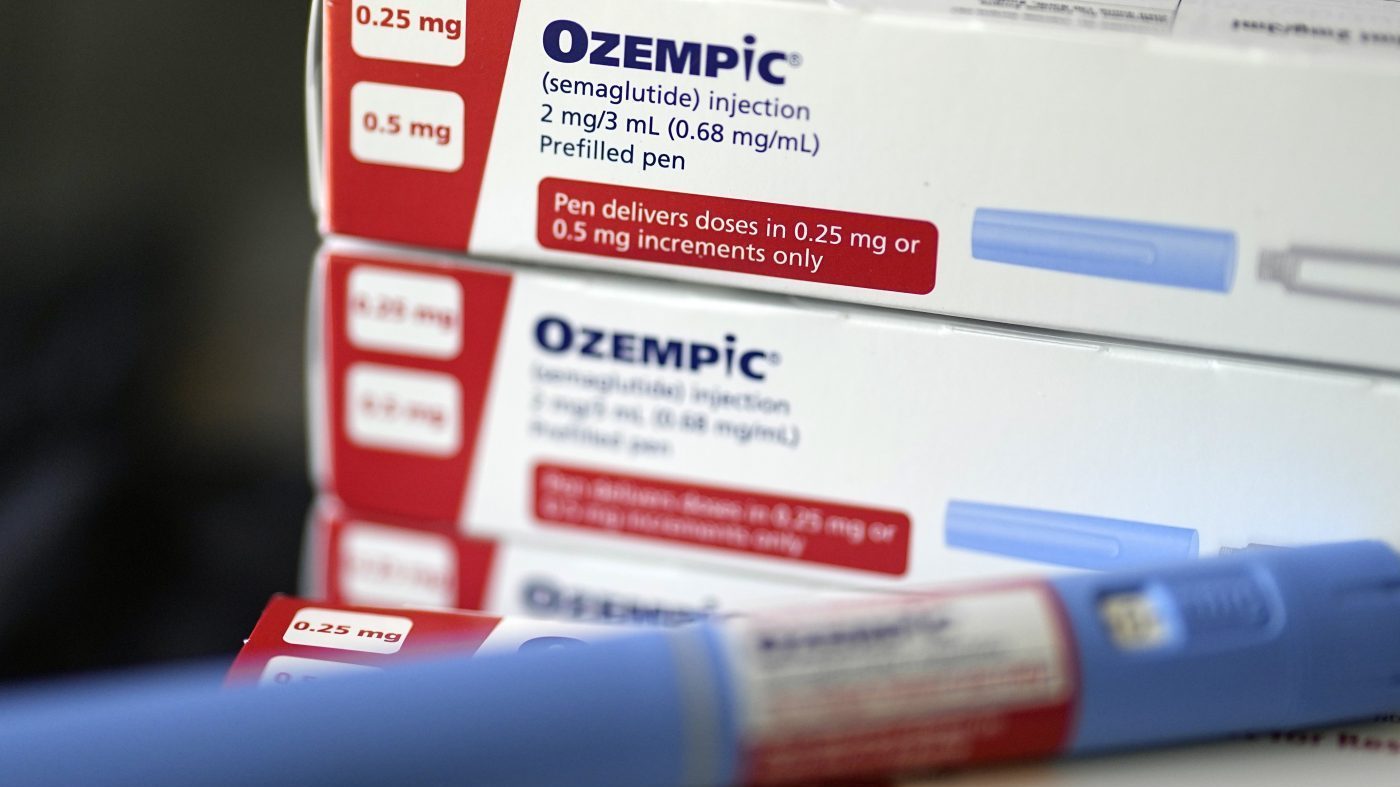
A new analysis published in Nature Communications projects that if GLP-1 weight loss medications were widely adopted among adults with obesity, they could prevent up to 6.6 million deaths per year by 2050 and free up an area of agricultural land larger than Italy.
The study, led by researchers from the University of Aberdeen, the University of Edinburgh, and Scotland's Rural College, estimates that reduced calorie intake from these drugs could also release as much as 32 million hectares of farmland for other uses. That's slightly more than the total area of Italy.
These findings add to a growing body of evidence that drugs originally developed to treat diabetes have far-reaching effects beyond blood sugar control. The medications, which include blockbusters like Ozempic and Mounjaro, are already reshaping obesity treatment and have sparked intense interest in their broader health and economic impacts.
Broader health benefits emerging
Last year, a separate study analyzing 92,000 people found that semaglutides—the active ingredient in many GLP-1 drugs—were linked to a 33% lower risk of dementia, along with other health improvements. That research added to hopes that these drugs could help address a range of chronic conditions.
An economic analysis published by the National Bureau of Economic Research found that employees taking GLP-1 medications, including Ozempic and Wegovy, took 17% less long-term sick leave—defined as absences of more than 30 days related to illness. The study used Danish data to examine the connection between the drugs and workplace absences.
Ongoing research suggests the medications may also reduce risks of cardiovascular disease and certain cancers. These potential benefits are driving policy discussions about access, cost, and the role of these drugs in public health strategies.
Implications for land use and food systems
The new study's land-use projection is particularly striking. If fewer people are eating at levels associated with obesity, the demand for agricultural land could drop significantly. That could free up space for reforestation, bioenergy production, or other non-food uses—a factor that could influence climate and environmental policies.
However, the study's authors caution that the projections depend on widespread adoption of the drugs, which remain expensive and are not universally covered by insurance. Access disparities could limit the real-world impact, particularly in low- and middle-income countries where obesity rates are rising.
As the evidence base grows, policymakers are weighing how to integrate GLP-1 drugs into healthcare systems, negotiate prices, and address potential trade-offs. The potential to prevent millions of deaths and reshape land use adds a new dimension to those debates.
NewsNation's Steph Whiteside and Patrick Djordjevic contributed to this report.