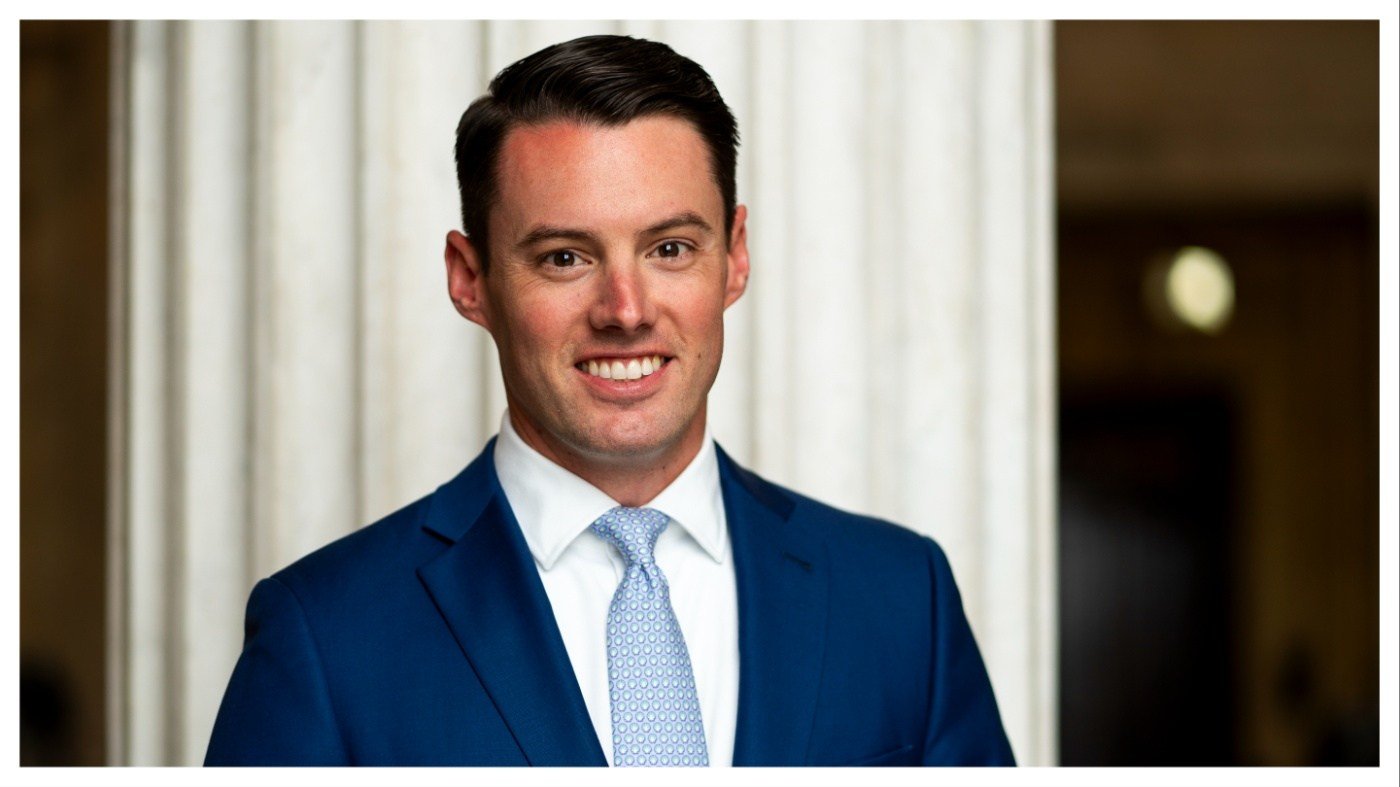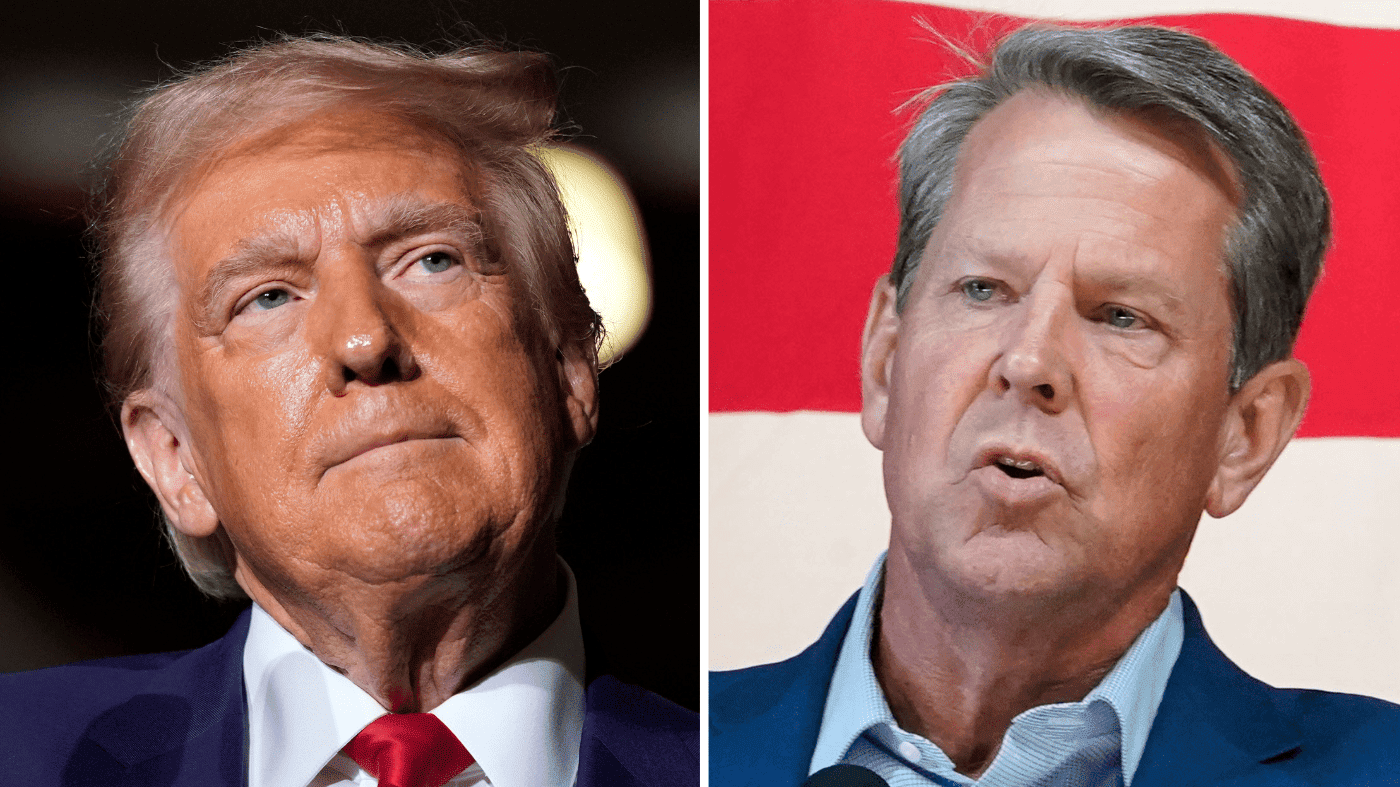
ATLANTA — The Republican Senate runoff in Georgia has become a proxy war between President Trump and Governor Brian Kemp, two titans of the party who have spent years in a tense dance of alliance and animosity. On Tuesday, voters will decide whether to nominate Representative Mike Collins, endorsed by Trump, or Derek Dooley, a former University of Georgia football coach backed by Kemp. The outcome will test how much Trump's stamp of approval matters in a state where his picks have sometimes fallen short.
Trump threw his weight behind Collins late Sunday in a Truth Social post, calling him a “WARRIOR and WINNER” and blasting Dooley for acknowledging Trump lost the 2020 election in Georgia. Collins, who made his name pushing the Laken Riley Act — the first bill Trump signed into law in his second term — quickly thanked the president and pledged to fight for Georgians. The congressman also benefited from a tele-rally with Trump on Monday, as early voting had already ended Friday, leaving a narrow window to sway late-deciders.
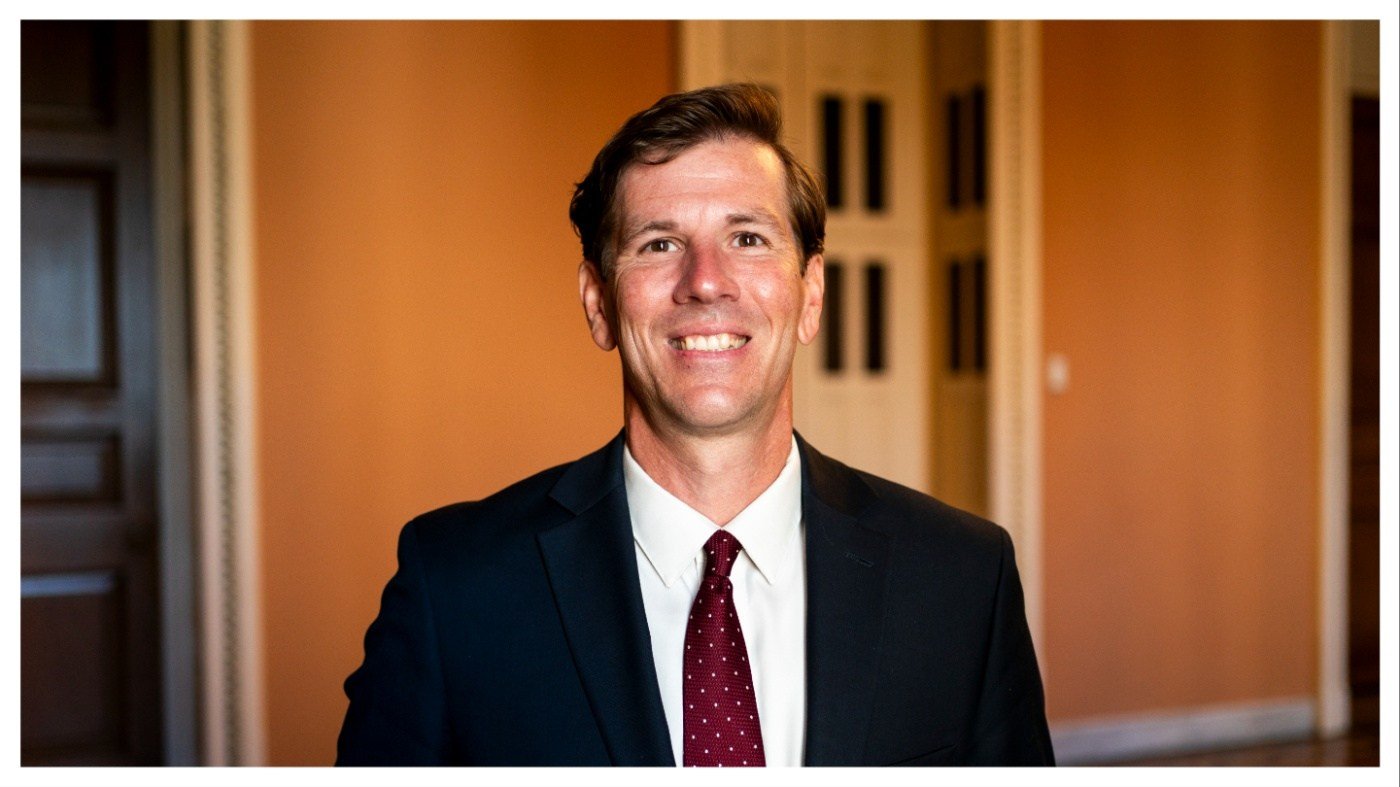
Kemp, who endorsed Dooley last summer, countered with a social media push of his own, urging voters to back the “conservative fighter who will put Georgians first.” The governor’s support gives Dooley institutional heft, but some Republicans question whether the former coach, who hasn’t voted in recent elections, can overcome Trump’s pull with the base. Dooley has leaned into his outsider image, campaigning on term limits and deficit reduction, and his advisers argue he channels the same anti-establishment energy Trump rode to victory in 2016. “He’s articulating a frustration that Mike and other candidates can’t tap into,” one Dooley adviser said.
This race is the latest chapter in a fraught Trump-Kemp relationship that dates back to 2020, when Kemp refused Trump’s pressure to overturn Georgia’s election results. Trump backed a primary challenger against Kemp in 2022, but the governor crushed that effort, and the two appeared to mend fences during the 2024 campaign, even jointly supporting Lieutenant Governor Burt Jones. Still, the current contest highlights lingering tensions. “It’s a match that always made sense,” said Cole Muzio, a Kemp ally and president of Frontline Policy Council, who remains undecided. “There were a lot of people scratching their heads that it hadn’t happened yet, and so I think it’s a reflection of the fact that polling’s gotten really close.”
Georgia Republicans have shown a unique willingness to defy Trump, as seen in 2022 when his endorsed candidate for governor, David Perdue, lost badly to Kemp. “Donald Trump endorsed David Perdue, and a whole host of characters running against all of the Republican statewide elected officials,” said Ryan Mahoney, a GOP strategist and Kemp campaign alum. “They all lost, and still to this day, everyone wants Donald Trump’s endorsement, because it moves the needle.” But Muzio added that for him, “a Trump endorsement does not move the needle as much when you’re trying to look at what’s the path forward in a general election.”
Collins, the son of former Representative Mac Collins, has strong ties to Trump’s orbit, with endorsements from allies like Representative Brian Jack, Trump’s former White House political director. Dooley, meanwhile, has leaned on Kemp’s popularity in the swing state and his own background as a college football icon. The race has drawn comparisons to other GOP contests where Trump’s influence has been tested, such as in the recent Georgia and Alabama runoffs. Trump’s endorsement power has been a key factor in many primaries, but in Georgia, the dynamic is more complex. As one Republican strategist put it, “I don’t think it helps him a lot,” referring to Collins.
The stakes are high for both Trump and Kemp. A win for Collins would reaffirm Trump’s grip on the party, while a Dooley victory could signal that Kemp’s brand of conservatism still resonates in a state Trump narrowly lost in 2020. The race also has implications for the general election, as the GOP nominee will face a Democratic opponent in a state that has become a battleground. With early voting already closed, the outcome now hinges on Tuesday’s turnout.