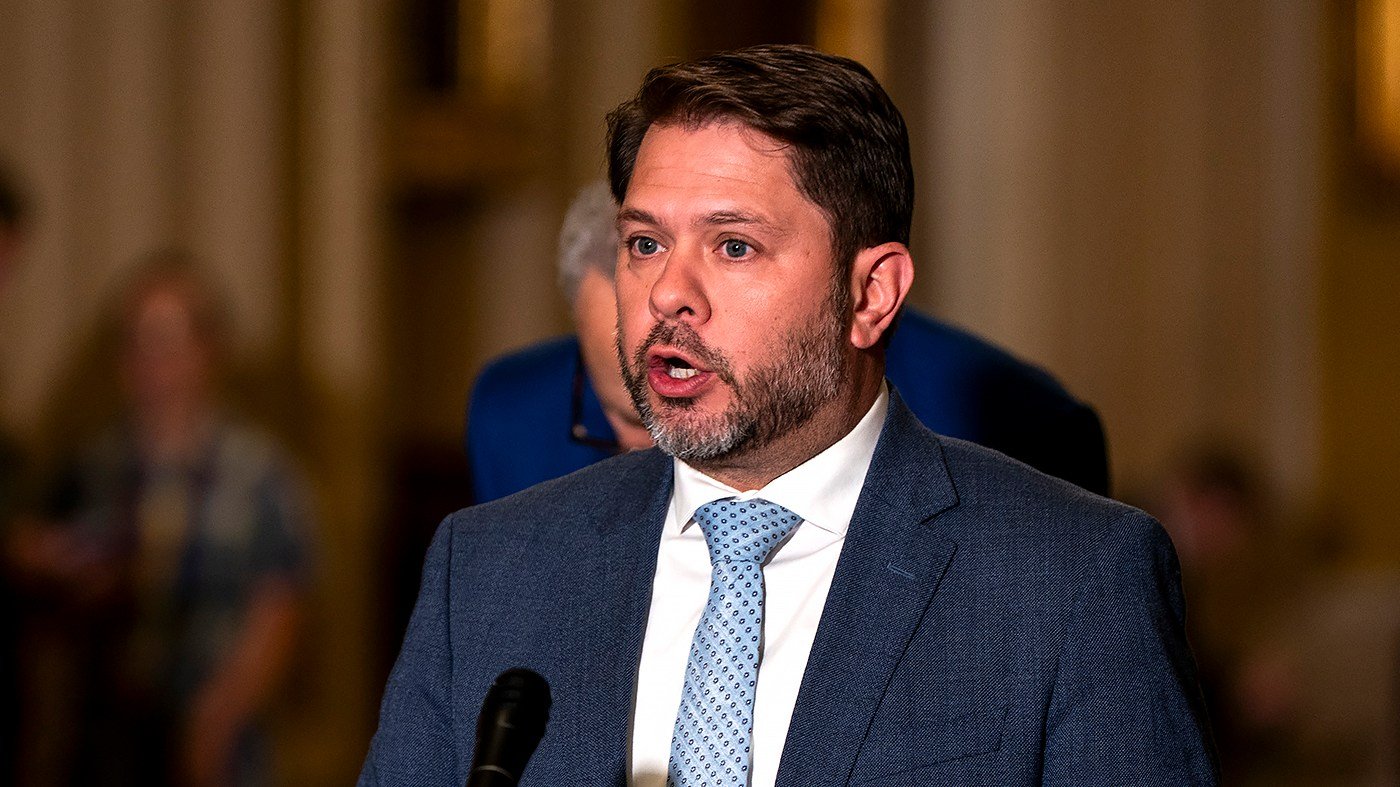
Sen. Ruben Gallego (D-Ariz.) on Thursday accused the Trump administration of failing to project competence in its handling of a string of major technology outages that have disrupted air travel, banking, and email services across the country.
Speaking on CNN, Gallego said the administration's public messaging has been inadequate at a time when Americans need clear answers. “The president and his administration need to be actively trying to encourage confidence,” he said. “This is not a partisan thing. This is not me trying to be a bad Democrat or a good Democrat to attack Republicans.”

“I want the American public to have confidence right now. And these guys are not creating an air of confidence whatsoever,” he added.
Over the past week, the country has faced a series of high-profile tech failures. On Thursday, Microsoft experienced a global outage affecting Outlook and Teams, which the company attributed to a network capacity upgrade issue. A day later, the Federal Aviation Administration issued a nationwide ground stop lasting more than four hours, caused by an overload of data on routers. Thousands of flights were delayed or canceled, with ripple effects into the weekend.
On Monday, customers at major banks including Chase, Bank of America, and Wells Fargo reported problems accessing accounts. JPMorgan Chase initially described a “software bug” in on-premise hardware, but later said that third-party vendors had been targeted by a cyber attack, potentially exposing some customer names and email addresses.
Trump administration officials, including Homeland Security Secretary Markwayne Mullin, have repeatedly stated that the outages were not cyberattacks. Mullin even suggested that “super intelligence” might be behind the incidents. President Trump, when asked about the outages on Tuesday, said “it's fine,” adding, “It's life. When you're big and powerful and have all the money, things like that happen.”
Former White House press secretary Karoline Leavitt has advised officials to communicate more aggressively. She said there should be a direct message to the American people from either the president or a senior White House official, explaining “what they know and what they believe to be true to really calm the temperature.”
Gallego's remarks come amid growing scrutiny of the administration's crisis communication. Experts have noted that consistent, transparent messaging is crucial during widespread disruptions. For more on how the administration's messaging is being tested, see this analysis. Additionally, some lawmakers are linking these technical failures to broader concerns about infrastructure resilience, as seen in reports on AI-assisted patching.
The political stakes are high, as Democrats and Republicans clash over the government's role in ensuring technological stability. The White House has yet to announce a comprehensive response plan, and Gallego's criticism underscores a broader partisan divide over trust in the administration's ability to manage crises.