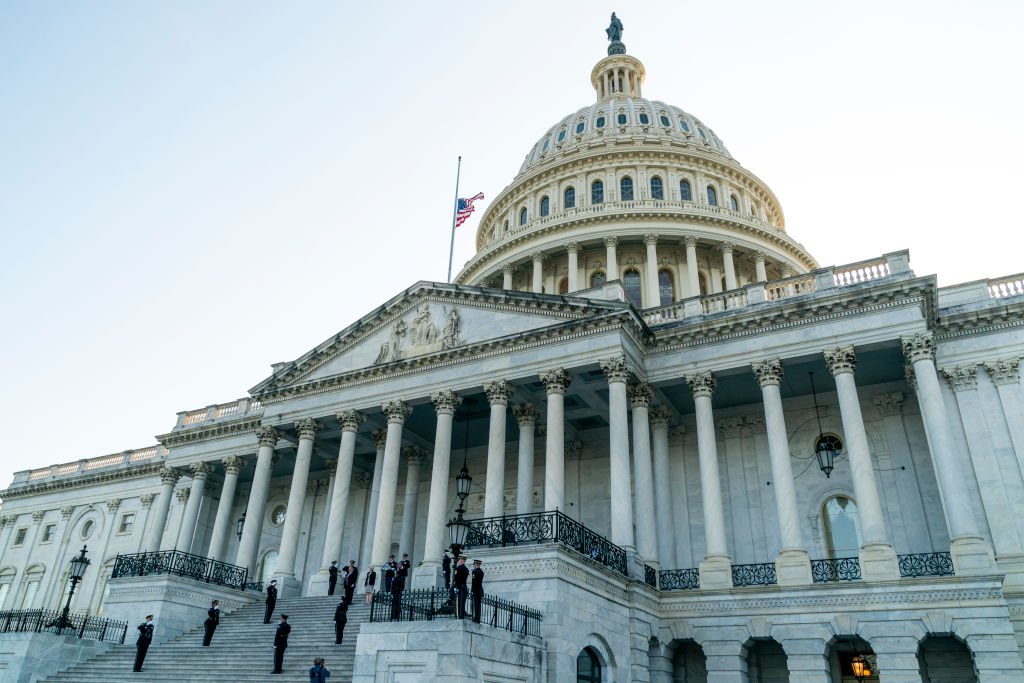
A single, century-old legislative act is responsible for many of the most entrenched dysfunctions in American politics, according to a growing chorus of legal scholars and government reformers. The Permanent Apportionment Act of 1929, which locked the U.S. House of Representatives at 435 members, has created a system of massive districts that critics say dilutes voter influence, supercharges partisan gerrymandering, and fuels endless legislative brinkmanship.
The Constitutional Design vs. Modern Reality
The framers of the Constitution explicitly designed the House to grow alongside the population. Article I, Section 2 sets only a maximum ratio—one representative per 30,000 residents—with the clear expectation that the chamber would expand. James Madison, in Federalist No. 55, described the initial size as temporary and anticipated "a continual augmentation." For over 120 years, Congress followed this blueprint, growing from 65 members in 1789 to 435 by 1913.
That growth halted after the 1920 census, which revealed a significant population shift from rural to urban areas. Fearing the political consequences of reapportioning seats accordingly, Congress deadlocked and ultimately passed the 1929 Act, creating an automatic procedure that cemented the 435-seat cap. What was meant as a temporary pause became permanent policy. Today, each member represents roughly 760,000 Americans—a scale the founders never envisioned for the body intended to be the public's closest link to federal power.
The Tangible Costs of a Frozen House
The consequences of this century-long freeze are concrete and pervasive. With districts so large, the prize of each House seat becomes enormous, creating powerful incentives for extreme gerrymandering. Manipulating boundaries yields outsized influence because each seat carries such weight. Expanding the House and creating smaller districts would dilute the payoff of any single line-drawing maneuver, reducing though not eliminating the incentive to gerrymander.
Campaign finance is similarly distorted. Reaching hundreds of thousands of voters requires massive war chests, forcing candidates to rely on national donor networks and professionalized fundraising operations. This dynamic shifts influence away from local constituents and toward wealthy patrons and ideological PACs. Smaller districts would lower the financial barrier to entry, making campaigns more accessible and locally focused. This shift could also loosen the grip of national media narratives, as candidates would need to engage directly with community concerns rather than relying on broad ideological messaging.
Power, Gridlock, and a Path Forward
Inside the chamber itself, scarcity concentrates power. With only 435 high-value seats, each member possesses significant leverage to stall legislation, demand concessions, or force government standoffs—a dynamic that routinely turns governance into brinkmanship and risks crippling agency operations during shutdowns. A larger House would dilute this individual leverage, potentially making the body more functional and less prone to hostage-taking tactics.
Expansion could also create political openings beyond the two-party duopoly. While America's winner-take-all system strongly favors major parties, the current structure reinforces rigidity by making each race too large and expensive for new entrants. Smaller districts could provide footholds for independent candidates and local movements, fostering broader coalitions over time. When representation feels tangible—when voters can know and challenge their representative—political participation becomes more rational and likely.
A Question for the Courts
With Congress showing little appetite to revisit the 1929 Act itself, some legal experts argue the Supreme Court should examine whether a permanent cap aligns with a constitutional structure designed for growth. The Court has previously intervened when representative systems became unmoored from population, as in the Baker v. Carr and Reynolds v. Sims rulings on state legislative malapportionment. The legal principle that vote dilution constitutes a constitutional injury does not vanish at the federal level, proponents contend.
The Court would not need to mandate a specific number of seats, but could rule the century-long freeze unconstitutional and return the remedy to Congress under new constraints. Such a ruling would force a legislative reckoning with a structural flaw that exacerbates nearly every other political challenge, from the influence of money in elections to the sense of voter disconnection that shapes the national mood. As debates rage over issues from healthcare access to technology regulation, the foundational architecture of the House itself may be the reform that makes all others more achievable.