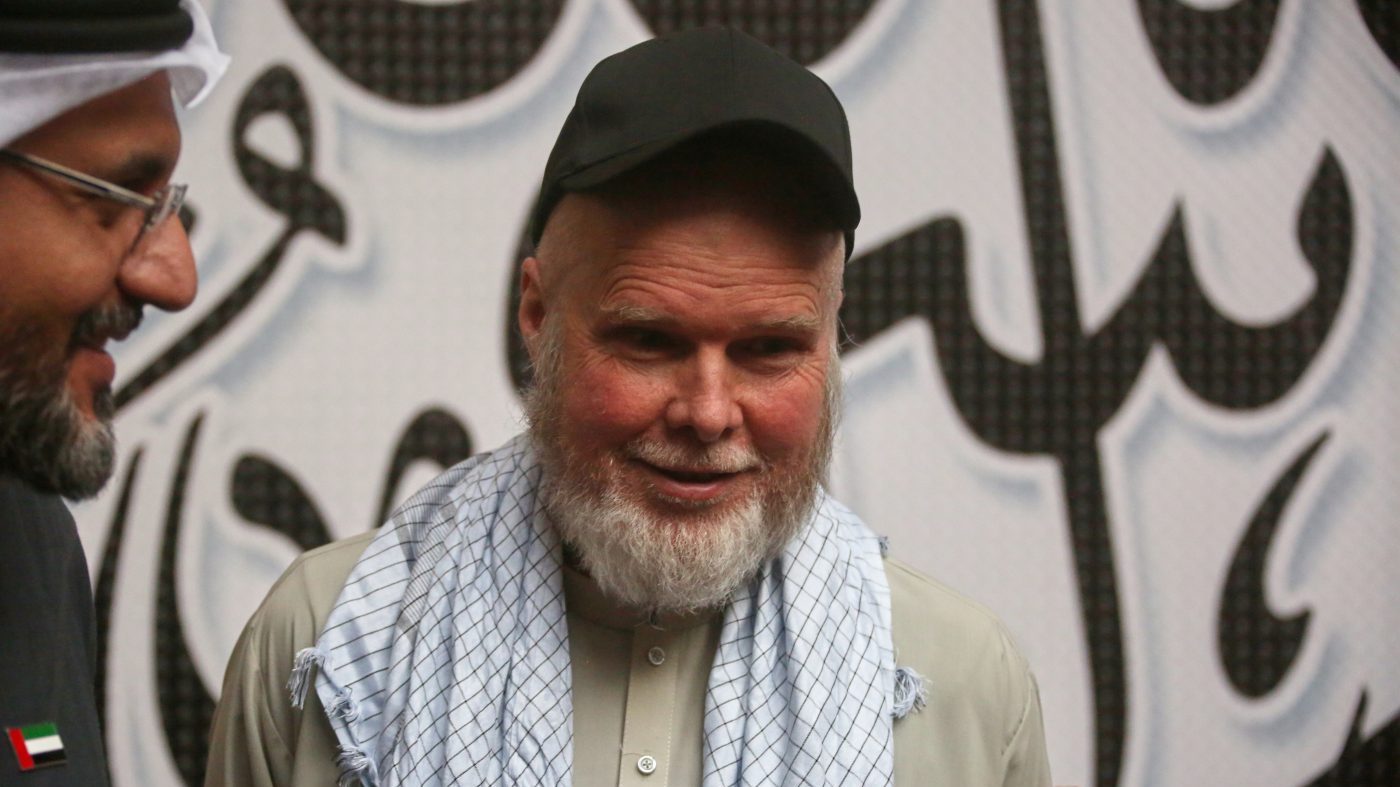
American researcher Dennis Coyle returned to the United States this week after the Taliban released him from over a year of detention without charge. Speaking to NewsNation during his flight home, Coyle offered a reflection that contrasted sharply with the typical geopolitical framing of Afghanistan, urging a more nuanced view of its citizens.
"The people of Afghanistan are not all evil," Coyle stated. "People live life daily on the streets, doing their best to make do. Many people are just doing their best to survive, looking for hope." His comments came as he expressed both joy at returning and a "hint of sadness" for a country where he had invested two decades of his life.

Detention and Diplomatic Pressure
Coyle was detained in January 2025 by the Taliban's General Directorate of Intelligence. His family maintained he was legally working as an academic researcher supporting Afghan language communities. His release followed sustained diplomatic pressure from the United States, coming less than three weeks after Secretary of State Marco Rubio formally designated Afghanistan as a "state sponsor of wrongful detention." In that designation, Rubio explicitly called for Coyle's release alongside that of another U.S. citizen, Mahmood Habibi.
The Taliban's Foreign Ministry framed the move differently, stating Coyle was released out of "humanitarian compassion and goodwill" and that the Supreme Court deemed his prior imprisonment sufficient. He was handed over to his family in Kabul before departing the country.
A Complex Homecoming and Ongoing Crisis
While profoundly grateful—"I'm very thankful to be going back to my homeland," he told NewsNation—Coyle's homecoming was layered with complexity. He cited a Pashto proverb, "'To every person their homeland is like Kashmir,' which means it's special. So I love my country. But yet, God has given me a love for Afghans also." His release highlights the fragile and often contradictory state of U.S.-Taliban relations, where humanitarian gestures occur alongside formal accusations of state-sponsored detention. This dynamic echoes other challenging diplomatic fronts, such as the ongoing tensions detailed in analyses of the American public's view of the U.S. position in Iran.
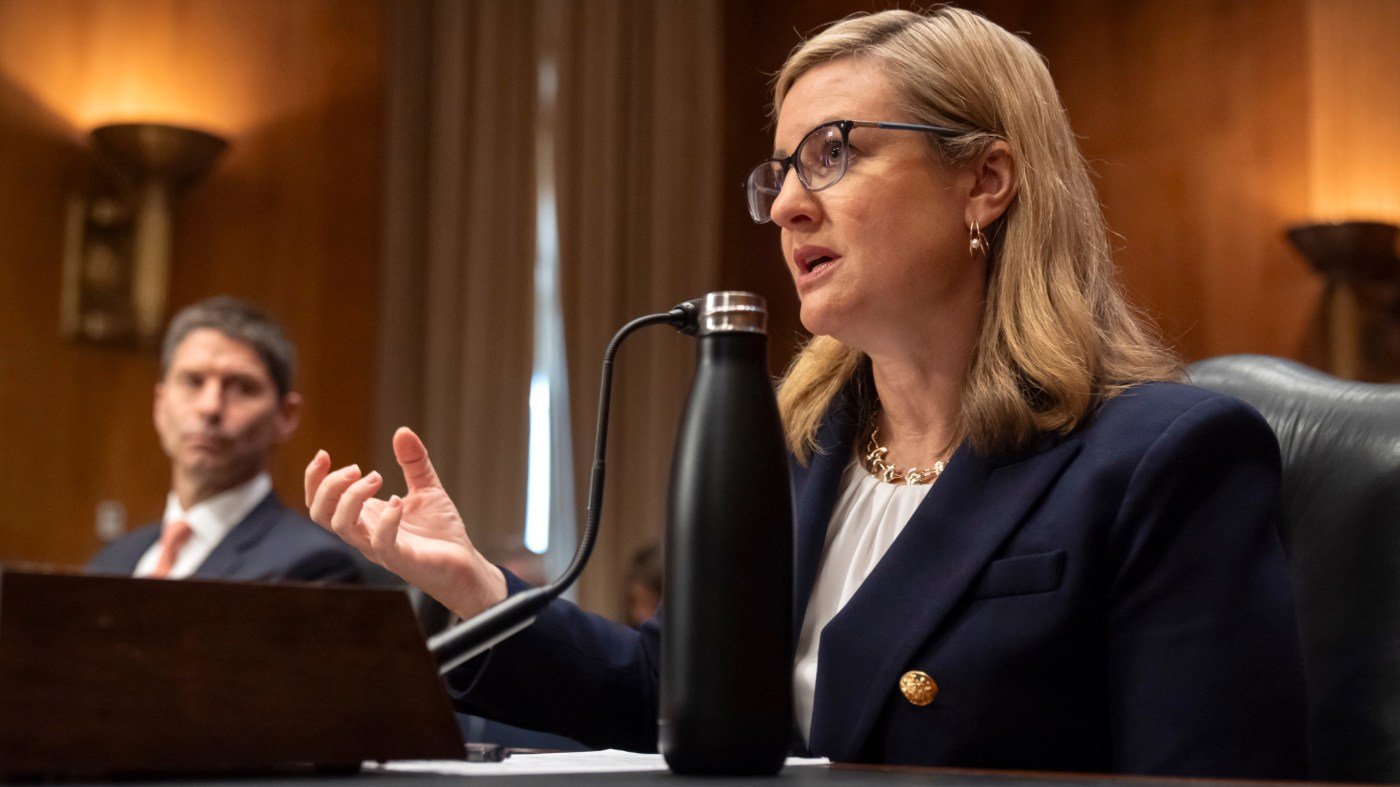
Secretary Rubio celebrated Coyle's return but immediately pivoted to the Americans who remain. In a statement, he called on the Taliban to release Habibi, writer Paul Overby Jr., and "all other unjustly detained Americans." Habibi, an Afghan-born U.S. citizen, was abducted with his driver in August 2022. Overby disappeared in Khost Province in 2014; the FBI is offering a $5 million reward for information leading to his recovery.
Coyle's family expressed "overwhelming gratitude" in a statement, thanking God, Rubio, President Trump, and several administration officials including senior director for counterterrorism Sebastian Gorka and special envoy for hostage response Adam Boehler.
Broader Implications and Unresolved Cases
The case underscores the persistent dangers for American citizens in Afghanistan since the U.S. withdrawal and the Taliban's consolidation of power. Coyle's release, achieved through a mix of diplomatic pressure and opaque Taliban judicial processes, does not signal a broader resolution. The continued detention of other Americans points to an enduring policy challenge for Washington. Success in such high-stakes negotiations can sometimes create unrealistic public expectations for outcomes in other complex diplomatic arenas, a pattern observed in critiques of foreign policy reversals.
For Coyle, the immediate future involves reuniting with family and processing his experience. For the U.S. government, the focus remains on leveraging this success to secure the freedom of other detainees, a task complicated by the Taliban's internal governance and the lack of formal diplomatic recognition. The episode serves as a stark reminder of the human cost of geopolitical strife, even as it reveals the resilience of individuals caught within it.