Blue-state governors tempted by the federal government's offer of billions in school choice funding should study Florida's experience before cashing the check. The Sunshine State's universal voucher program, now costing taxpayers over $4 billion annually, has become a case study in what happens when accountability is traded for a political talking point.
Florida State Sen. Carlos Guillermo Smith, a Democrat representing District 17, has watched his state's voucher system balloon since the legislature removed income caps in 2023, making vouchers available to virtually every school-aged child. Florida followed Arizona in adopting universal vouchers, but the consequences have been stark: no reliable accounting of which children receive funds, no requirement for qualified teachers, and no meaningful measure of student learning.
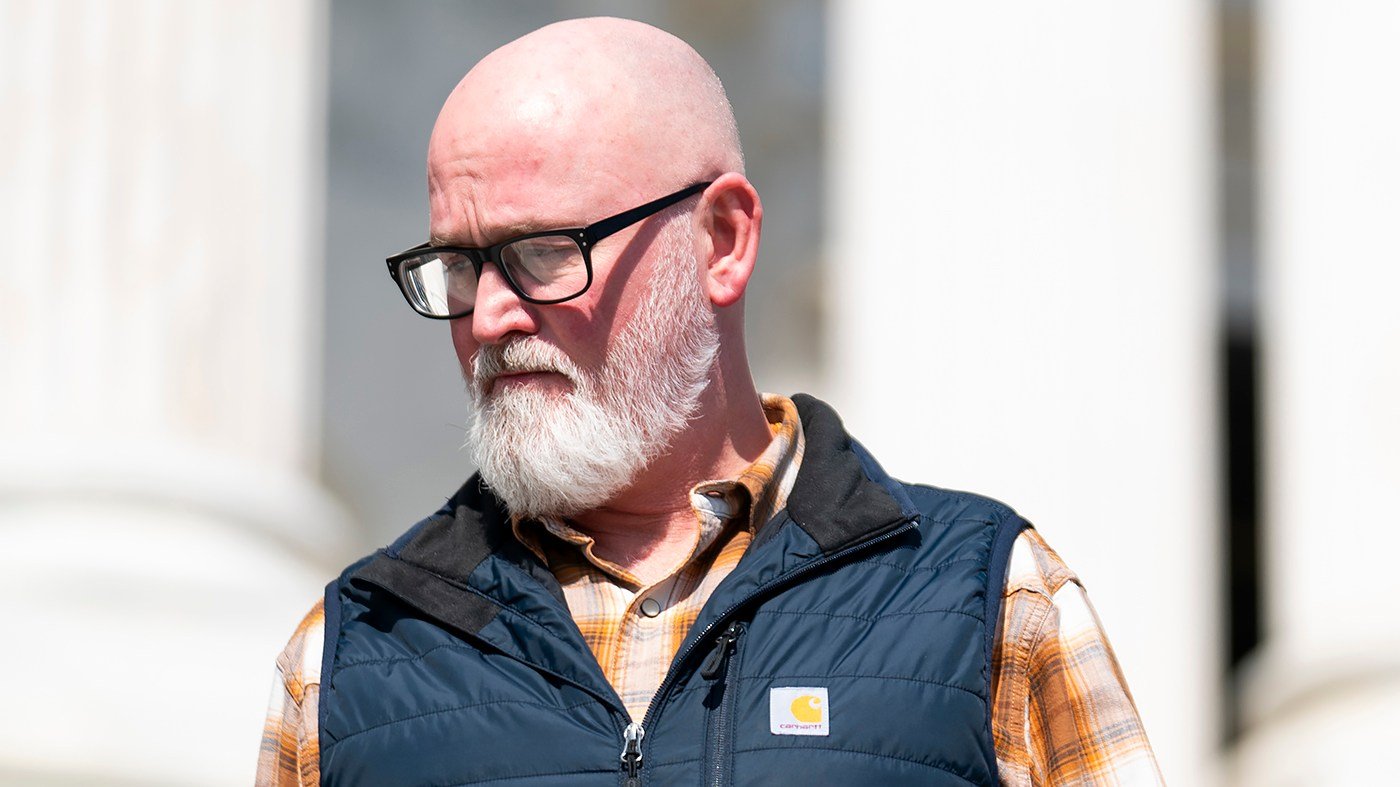
“There is virtually no accountability for these dollars,” Smith said. “There is little oversight of the finances, academic standards, or hiring of teachers at voucher-funded private schools.”
Bipartisan efforts to impose guardrails have died in each of the last three legislative sessions, Smith noted, leaving the state with a system that invites fraud and waste. As political controversies swirl around federal education policy, Florida's example underscores the risks of unregulated public spending.
The problems are not just theoretical. Florida could not account for where 30,000 children were attending school or how $270 million tied to them was spent. Cost overruns have forced the state to transfer $118 million into education coffers and backfill $47 million to school districts after payments went to scholarship organizations for students who were actually enrolled in public schools. That overpayment nearly tripled from $18.4 million the prior year.
Fraud has followed the money. One private school accepted vouchers for students who lived 130 miles away. Multiple parents have been arrested for gaming the system. In 2025, a Florida man was indicted for scamming Arizona's voucher program by inventing fictitious children—demonstrating that an unregulated system can be exploited from across state lines.
Academic outcomes are equally concerning. Voucher students in Florida are not required to take the same exams as public school students, leaving scant data for comparison. But research from Louisiana, Ohio, and Indiana shows voucher students often perform worse than their public school peers. Researcher Josh Cowen likened the learning loss to that seen after Hurricane Katrina.
Homeschooling, also subsidized by Florida vouchers, raises similar red flags. While some homeschooled students thrive, there is no apples-to-apples evidence of superior outcomes, and no published graduation rates. “If taxpayers are funding private education, they deserve to know whether children are actually learning,” Smith said.
Smith's warning extends beyond Florida. The federal tax credit voucher scheme, he argues, would deepen these problems nationally. As governors navigate federal pressure on multiple fronts, they should heed Florida's lesson: when public funds flow to unaccountable private interests, children and taxpayers both lose.
“Governors and lawmakers across the country should heed Florida's cautionary tale and reject this unregulated federal scheme and demand real accountability for every taxpayer dollar spent on private education,” Smith said.