The unprecedented expiration of the nation's warrantless surveillance authority has thrown the United States into a legal gray zone, raising questions about the government's ability to monitor foreign targets abroad. Both chambers of Congress failed Thursday to pass short-term extensions of Section 702 of the Foreign Intelligence Surveillance Act (FISA) through July 2, with Democrats blocking the measure over objections to Bill Pulte being tapped to lead the intelligence community.
Lawmakers then departed, allowing the spy powers to lapse at midnight. President Trump is considering an executive order to shore up the program, but legal experts and lawmakers warn that such a move may not resolve the core issues.

The lapse leaves the country in uncharted territory, uncertain whether telecom and email providers will continue to comply with government requests for communications. Rep. Brian Fitzpatrick (R-Pa.), a former FBI agent, called it "unprecedented, uncharted territory," adding, "It's really a question for the phone companies, because they're the ones that will decide whether to share this information."
Section 702 allows the government to compel companies to hand over records of foreign targets without a warrant, feeding a database used to track threats. Privacy hawks argue the program can continue under a March recertification by the Foreign Surveillance Intelligence Court (FISC), but supporters counter that Congress must still authorize and set guidelines. They fear providers will refuse to cooperate without legal indemnification, a threat they made in 2024 when a lapse seemed imminent.
Rep. Jim Himes (D-Conn.), top Democrat on the House Intelligence Committee, warned, "There is this theory that the program can survive on certification. We've never tested it, and I've discouraged testing it, because when a company sues, we don't know how the FISC will rule. Now we may have no choice." Even with FISC certification, providers may reject new requests, leaving the database stagnant. House Intelligence Chair Rick Crawford (R-Ark.) noted, "It's going to be hard to grow that database. It's a look back, not a look ahead."
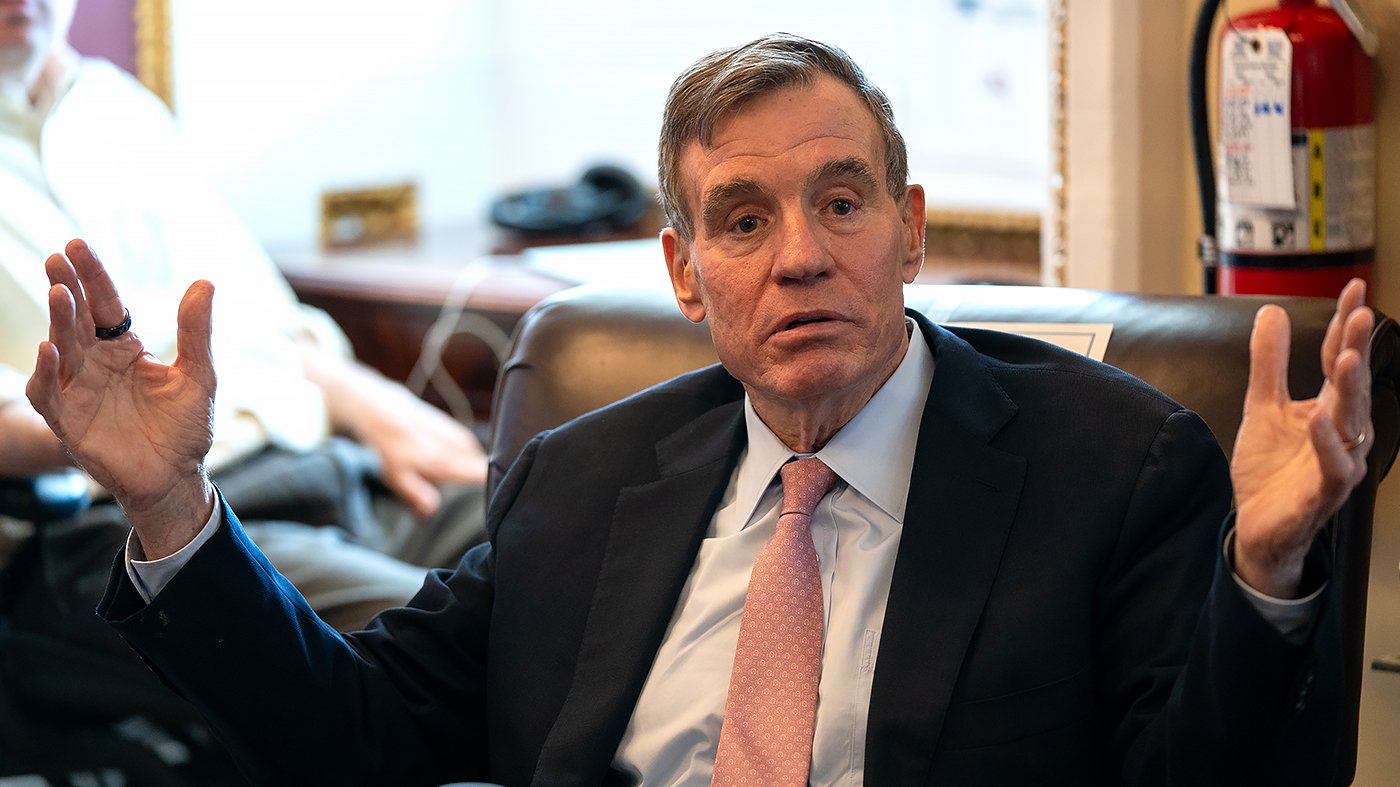
Supporters warn the lapse is risky amid upcoming events like the World Cup and the nation's 250th anniversary celebrations, as well as continued U.S.-Iran tensions that experts say could spur terror attacks. Sen. Mark Warner (D-Va.), top Democrat on the Senate Intelligence Committee, recalled that in 2024, "major providers said they'd stop participating at the witching hour. Now we don't know the answer, but it's a high-risk proposition."
The Democratic revolt centered on Pulte, who is set to become acting director of national intelligence on June 19 despite a history of using his role at the Federal Housing Finance Agency to target Trump foes. Warner expressed frustration: "The idea that someone without a security clearance, who can't keep mortgage info confidential, gets keys to the intelligence community." Trump has since nominated U.S. Attorney Jay Clayton for the post, but Democrats vow to block Pulte's access to 702.
Trump said he might draft an executive order on Section 702, but its legality is unclear. Rep. Jamie Raskin (D-Md.), top Democrat on the House Judiciary Committee, called it "executive unilateral usurpation, not a substitute for proper legislation." Even Republicans are skeptical; Crawford said, "We're going into uncharted water. I'm not sure what an EO can do. It's the liability protections that go away for carriers."
The standoff leaves the intelligence community and providers in limbo, with no clear path forward. As lawmakers weigh next steps, the nation faces a real-time test of whether surveillance powers can survive without congressional authorization, with potential implications for national security and civil liberties.