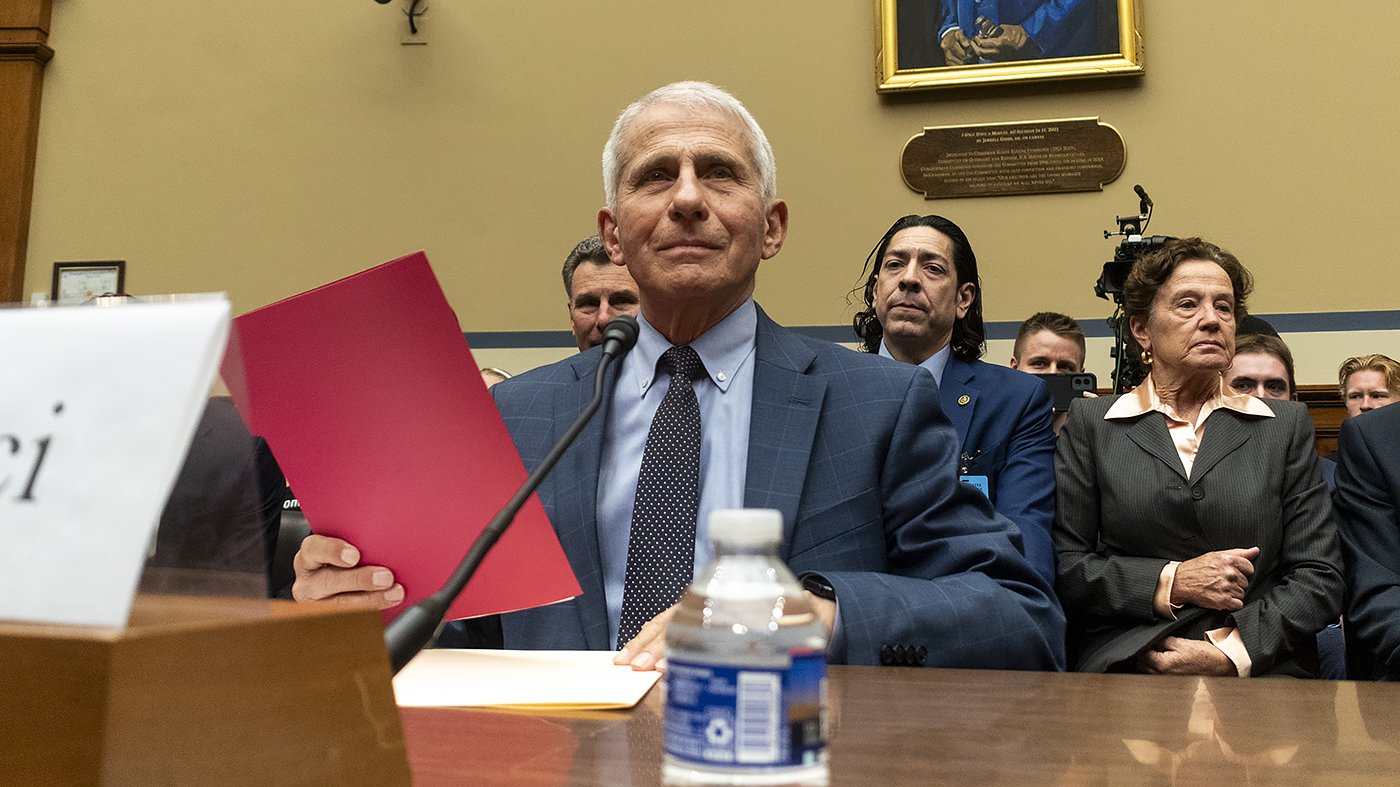
Dr. Anthony Fauci's personal diaries, spanning years during the COVID-19 pandemic, were released Monday by the office of Sen. Rand Paul (R-Ky.) ahead of Fauci's Wednesday testimony before the Senate Homeland Security Committee. The entries offer a raw look into the former NIAID director's thinking on the virus's origins, his influence on state lockdowns, his media fame, and his fraught relationship with President Trump.
Fauci Doubted Wet Market Was COVID's Source
In a Jan. 26, 2020 entry, Fauci wrote, "We know the market was not the source, it was the amplifier. Having said that, somewhere the virus jumped from animals to humans." This aligns with later findings by the FBI and CIA suggesting a lab leak was the most likely origin. During a Feb. 1, 2020 call with U.S. and international health experts, Fauci noted that nine of eleven officials, including then-NIH Director Francis Collins, believed "deliberate insertion" was possible, leaning toward the lab leak theory. Only two—Ron Fouchier of Erasmus Medical Center and Christian Drosten of Charité—thought the virus could occur naturally. Rand Paul's probe has highlighted these early doubts.
Fauci Acknowledged Role in Lockdown Decisions
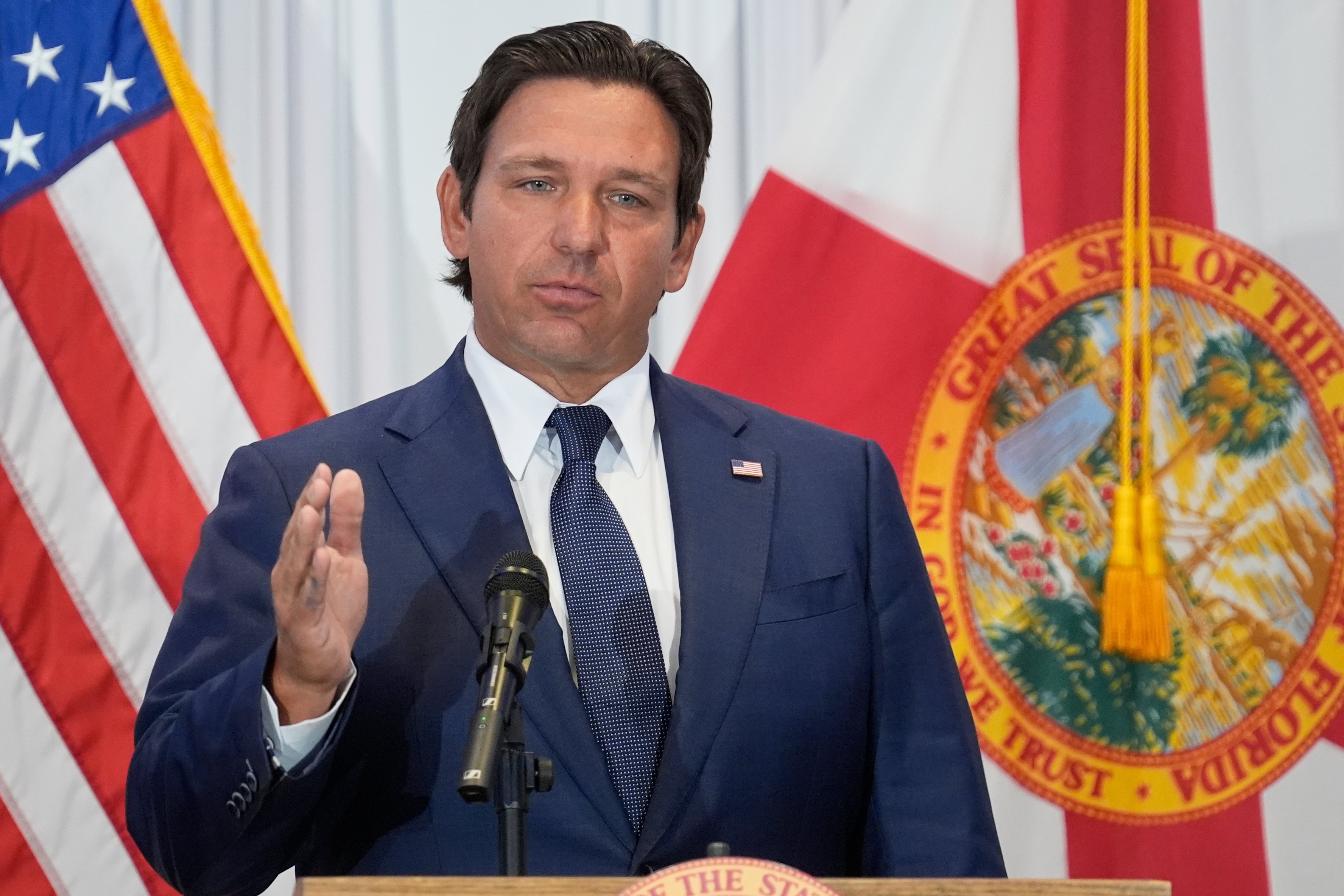
Despite later testifying that he was not involved in local school closures, Fauci's diaries show he directly advised New York City Mayor Bill de Blasio on March 15, 2020 to close schools, bars, and restaurants. "I went on to tell him he should close the bars and restaurants in NYC. He said that he would base this on my recommendation," Fauci wrote. Three days later, he urged a "shelter in place" order for all of New York City, overruling pushback from then-Governor Andrew Cuomo. Similarly, Fauci noted that Ann O'Leary, chief of staff to California Governor Gavin Newsom, told him that his TV appearances prompted Newsom to close schools, bars, and restaurants statewide. A 2024 study in Scientific Reports found that lockdowns worsened social cognition development in young children, especially those from lower socioeconomic backgrounds.
Fauci Reveled in Media Attention
Fauci's diaries reveal his awareness of his skyrocketing fame. On May 21, 2020, he wrote, "The situation with my national and international fame is explosive and really unimaginable. It is not hyperbole to say that today I am the most famous and talked about person in the country and one of the most recognizable persons in the world." He noted a "very flattering" Washington Post article from May 2020. But the attention also brought death threats. On Aug. 15, 2020, he wrote that his fame "is triggering increased hate mail and threats." In 2024 testimony, Fauci said he received credible death threats leading to two arrests. Released Fauci diaries detail this fixation on his public image.
Fauci Grew Critical of Trump's Briefings
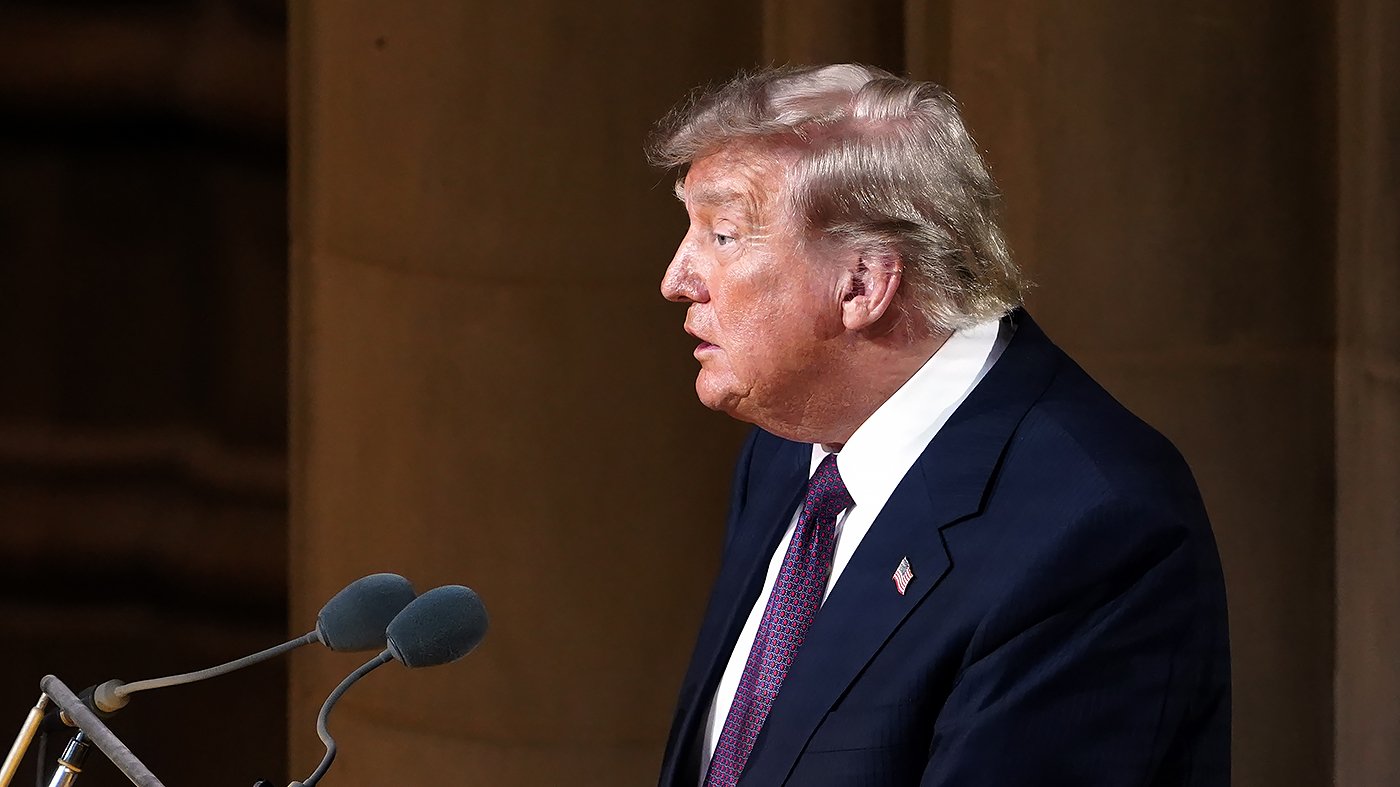
Early in the pandemic, Fauci described Trump as "enamored" with him, writing on May 21, 2020, "We are developing a very unique and interesting relationship. The entire secret service corps is coming over to me and chatting." But by March 22, 2020, Fauci expressed frustration with Trump's rambling press conferences, calling them "very rambling and disorganized" and saying he would have "advised against" Trump ad-libbing. The diaries show Fauci's growing dissatisfaction with the administration's chaotic communication. Trump later dismissed Fauci as 'tired' after the leaks emerged.
Political Fallout and Ongoing Probes
The release of Fauci's diaries has intensified scrutiny on his role during the pandemic. Sen. Rand Paul, who chairs the Homeland Security Committee, has long questioned Fauci's decisions. House Speaker Mike Johnson has also pledged to press Fauci on COVID failures in an upcoming hearing. The diaries provide a firsthand account of the uncertainty, media obsession, and political tensions that defined the early pandemic response.