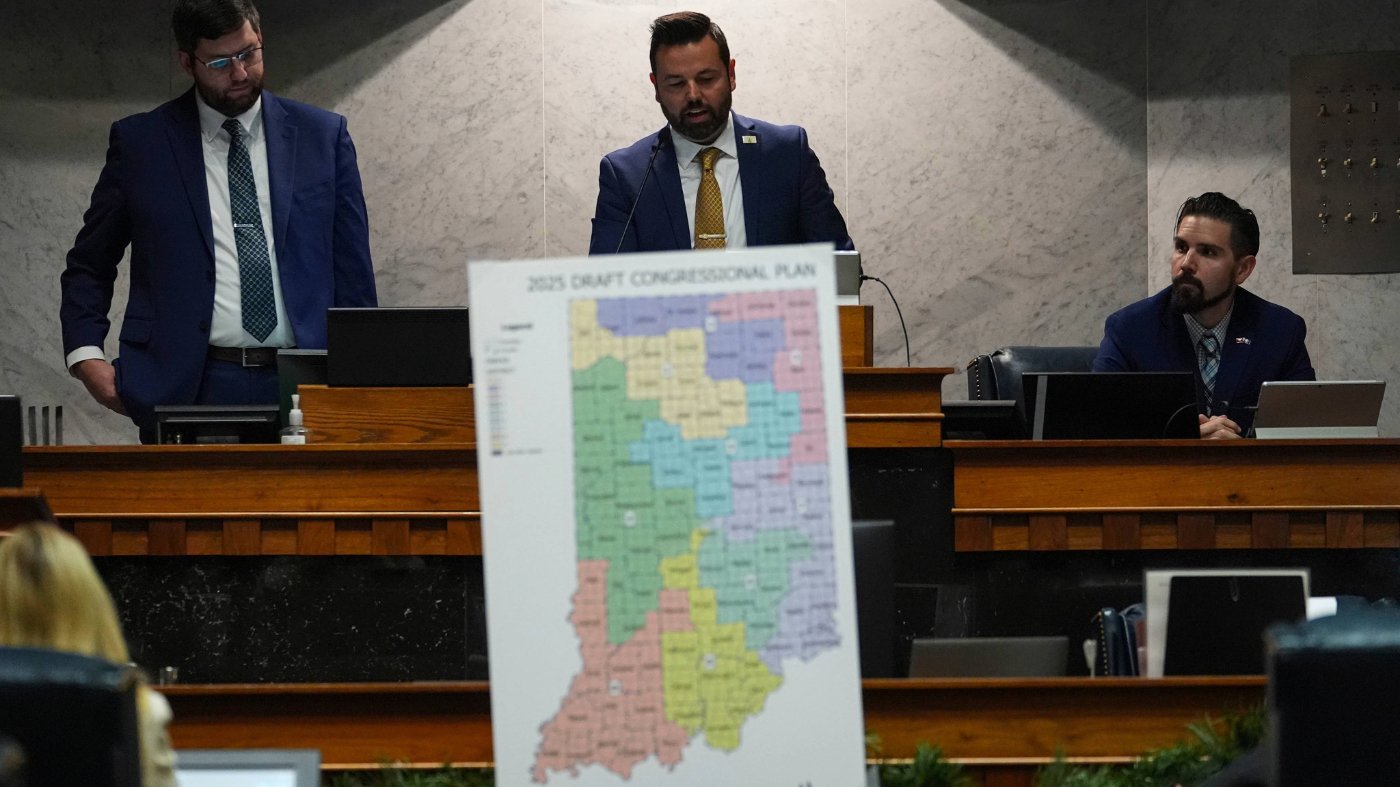
A fresh analysis from the University of Virginia's Center for Politics indicates that Republican-led mid-decade redistricting has produced a U.S. House map that, while more favorable to the GOP than the 2024 map, still closely mirrors the 2018 landscape—a year when Democrats captured the House majority.
Kyle Kondik, the center's managing editor, wrote that the mid-cycle redrawing of congressional boundaries in roughly ten states has clearly tilted the overall map to the right. He noted that the median House seat, measured by presidential performance, shifted about two points more Republican. His projections suggest the GOP could net a handful of seats purely from redistricting changes.

However, Kondik emphasized that even after these alterations, the 2026 map isn't more advantageous for Republicans than the one they faced in 2018. In fact, he assessed the new map as potentially "less favorable" to the GOP, describing the differences between the two cycles as "small."
Kondik pointed out that while there is a clear Republican lean in many districts, the tilt is "a bit more muted" than it might have been. The analysis comes as President Trump has pushed more GOP-controlled states to undertake redistricting, while simultaneously raising unfounded questions about election security nationwide.
Key numbers from Kondik's report highlight the shifts: compared to 2018, there are 16 fewer districts where Republicans won the presidential election by an 11-point margin. Additionally, there are four fewer districts where the GOP's margin of victory fell between two and four points.
Overall, Kondik's analysis describes the 2026 map as "very slightly better" for Democrats than it was eight years ago. He cautioned, though, that this doesn't mean Democrats are poised to repeat their 2018 performance. "None of this should be taken to suggest that we think Democrats are going to do better in 2026 than 2018 (at this point we don't think they will, even though we continue to favor Democrats to win the majority)," he wrote.
Kondik added that the map alone doesn't determine election outcomes. "There's much more than just the map that goes into producing the actual House results. And however Democrats perform in this election, it's very likely that they would have done better had there been no redistricting this cycle," he concluded.
The analysis arrives amid broader political dynamics that could shape the midterms. For instance, a recent enthusiasm gap threatens GOP midterm hopes despite a tied generic ballot, and the Louisiana Democrat Cleo Fields exits House race after GOP redistricting underscores the personal impact of these map changes. Meanwhile, Senate Democrats see a path to majority despite internal turmoil, and House GOP pushes forward with high-stakes votes amid internal divisions.