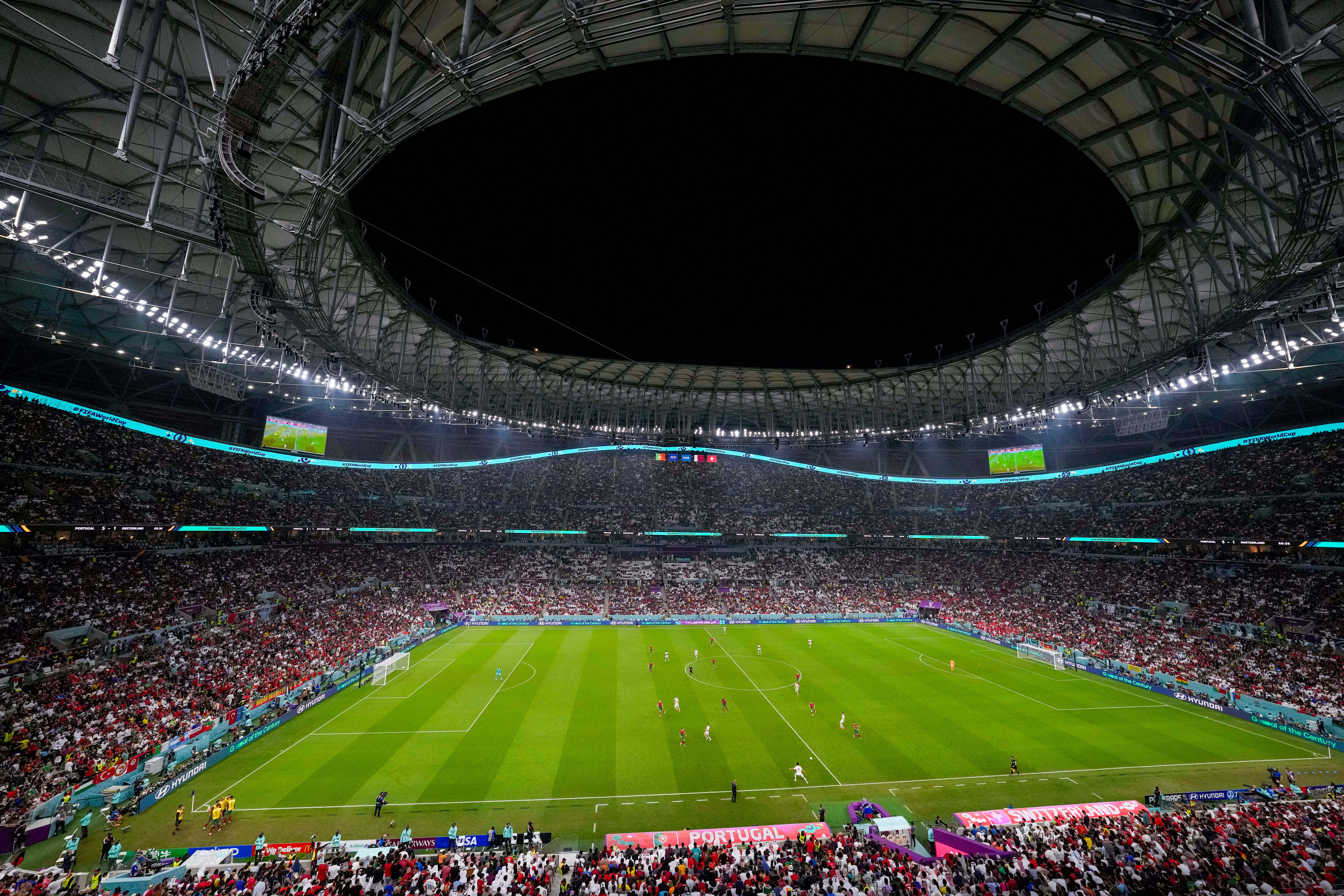
Global soccer fans are confronting sticker shock as ticket prices for the 2026 FIFA World Cup matches in the United States reach historic highs, igniting a fierce debate over corporate profiteering and the sport's accessibility. With entry-level tickets for early-round matches in cities like Los Angeles and Atlanta exceeding $500 on secondary markets, the tournament is on track to become the most expensive in history, raising questions about which demographics will fill the stadiums.
FIFA's Opaque Distribution Draws Fire
The soaring costs are attributed by critics to FIFA's ticketing methodology, which observers describe as tailored for maximum revenue extraction from the lucrative American consumer base. A significant point of contention is the lack of transparency in how initial ticket blocks were allocated last fall. Fans reportedly paid thousands for unspecified seat assignments, with some later discovering they had purchased tickets with obstructed views or were excluded from prime seating areas.

"Global football still tries to adhere to this idea of a more populist aspiration about the accessibility of the game. That's basically become a fiction, and this is the corporatization of World Cups on steroids," said Andrés Martinez, a soccer author and academic. FIFA recently exacerbated the controversy by releasing a new category of premium tickets, a move characterized by sports media as an attempt to "milk more money" from high-demand seats.
Host Nations and Secondary Markets
In a statement, FIFA defended its process, noting it allocated large ticket blocks to host nations, with each association managing its own distribution to "loyal fans." The organization also pointed to its official secondary market portal, which it claims follows standard practices for major U.S. events. However, this explanation has done little to quell anger, particularly among international fans accustomed to different pricing structures and logistical ease at tournaments elsewhere.
"There's a little bit of cultural divide here," said Alan Fyall, a Scottish academic based in Florida. "In most of the world, soccer is a very blue-collar sport. It's less like that now, but its roots are very much in that direction." The criticism underscores a broader tension as the World Cup returns to North America for the first time since 1994, an event that still holds the attendance record.
The Premium U.S. Sports Landscape
The pricing strategy lands in a market already known for high live-event costs. Data shows the average cost to attend major U.S. sports like NFL or MLB games has surged by over 300% since the 1990s. "You can never underestimate the power of American fandom for live events," said Brian Berry of the Ticket Policy Forum. "Something like the World Cup... has tens of millions of fans and never enough inventory to meet that demand."
This environment intersects with domestic economic concerns. With polls showing persistent anxiety over inflation and the cost of living, discretionary spending on travel and events is increasingly concentrated among wealthier Americans. This dynamic is reflected in broader policy debates, such as the contentious Democrats' Fair Prices Act, which faces criticism over its potential impact on consumer costs.
Economic Exclusion and Political Repercussions
Analysts warn the pricing model may fundamentally alter the tournament's audience. "The biggest issue is the pricing model strategies that FIFA has deployed here in the U.S. make it more likely that the wealthiest fans will be the ones in attendance," said Lindsay Owens of the Groundwork Collaborative. "Many passionate, loyal, enthusiastic fans will be priced out."
The controversy arrives amid a complex economic landscape where price spikes are a sensitive political issue, from record used vehicle prices to volatile energy markets. While not directly linked, the World Cup ticket furor exemplifies how pricing and accessibility have become central concerns for consumers and policymakers alike, challenging the notion of major sporting events as communal, cross-class experiences.