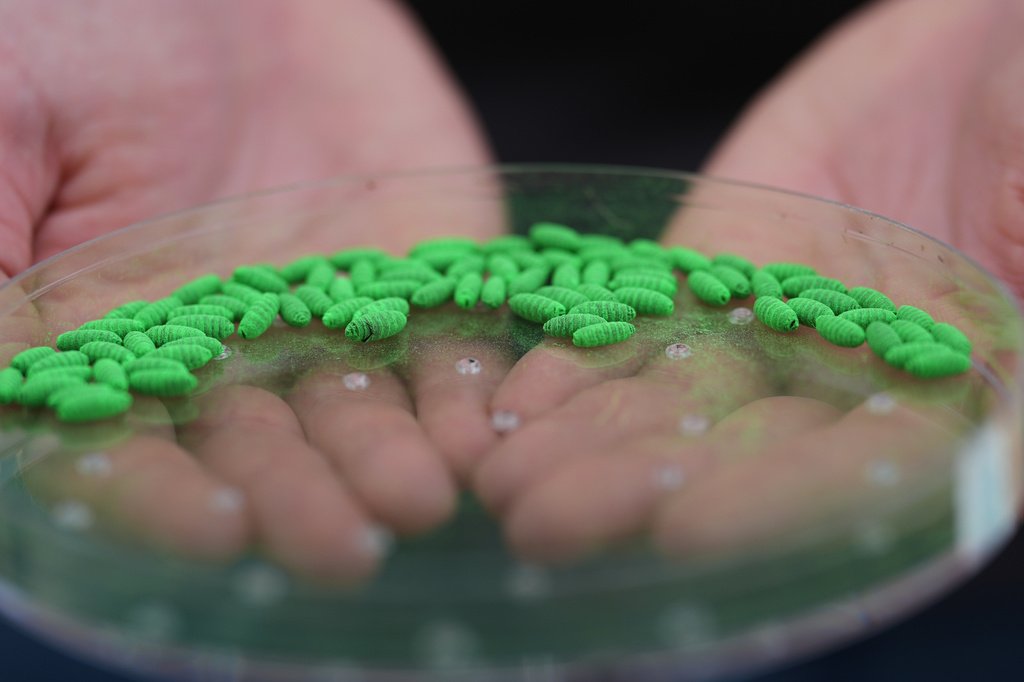
The Food and Drug Administration has issued an emergency use authorization for nitenpyram, a medication designed to combat New World screwworm infestations in dogs and cats, following the confirmation of the flesh-eating parasite in a small dog in New Mexico. The decision comes amid growing concern over the parasite's reemergence in the United States, which has primarily affected livestock but now poses a direct threat to household pets.
Nitenpyram is approved for use in dogs, puppies, cats, and kittens that are at least four weeks old and weigh a minimum of two pounds. The drug works by killing the parasitic larvae—commonly known as maggots—that burrow into the flesh of infected animals. According to the FDA, most larvae die within hours of the first dose, with a second dose administered six hours later to ensure complete eradication.

New World screwworm flies lay eggs in open wounds, as well as in the noses, ears, eyes, and mouths of warm-blooded animals. The resulting larvae feed on living tissue, causing severe damage that can be fatal if left untreated. While livestock such as cattle have been the primary victims, the recent case in a pet dog underscores the broader risk. The parasite can also infect humans, though cases are rare.
For pet owners, the key takeaway is that nitenpyram is a treatment, not a preventive measure. It is intended only for animals already showing signs of infestation. Symptoms include the sensation or sight of maggots moving in a wound or orifice, worsening skin lesions, a foul odor emanating from the wound, and bleeding open sores. Veterinarians may also need to manually remove dead or live larvae from the infected site.
The medication is available over the counter, with dosing based on the pet's weight. However, the FDA advises pet owners to consult a veterinarian to avoid reinfestation and to ensure proper use. The FDA's authorization of the first generic drug for screwworm marks a critical step in the response to the outbreak, which has already spread across parts of Texas and New Mexico.
Broader Context: The Screwworm Resurgence
The emergency authorization is part of a larger federal response to the parasite's return. The CDC has declared an emergency over the screwworm resurgence in livestock, and the USDA is facing questions about its preparedness. Critics have pointed to staff reductions during the Trump administration as a factor that may have weakened the government's ability to contain the outbreak early.
As of now, pet owners in affected areas should remain vigilant. While nitenpyram is an effective treatment, prevention remains the best defense: keeping pets away from livestock, monitoring wounds closely, and seeking immediate veterinary care if symptoms appear. The return of the flesh-eating screwworm has reignited debate over border biosecurity and the adequacy of federal surveillance programs.