The Food and Drug Administration on Thursday issued an emergency use authorization for a generic over-the-counter tablet to treat New World screwworm in dogs and cats, marking the first time a generic animal drug has been approved for this parasite.
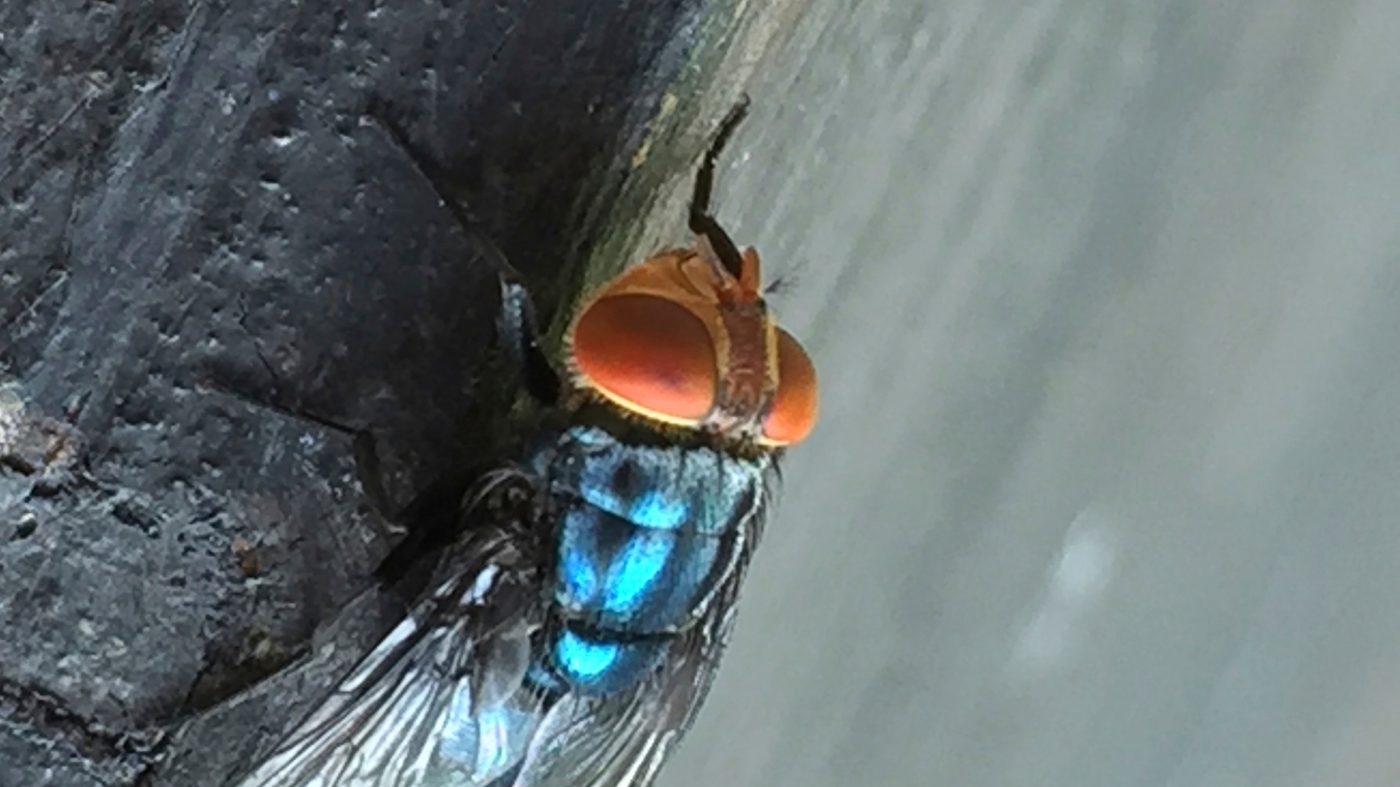
The decision comes as state and federal officials in Texas and New Mexico have confirmed at least seven cases of screwworm in cattle, a dog, and a goat. These are the first domestic cases in decades, following the U.S. successful eradication of the pest in the 1960s. The outbreak has reignited concerns about the spread of the flesh-eating larvae, which feed on living tissue of warm-blooded animals, entering through open wounds and burrowing into flesh.

Health and Human Services Secretary Robert F. Kennedy Jr. said in a statement that the FDA's action "puts an affordable, fast-acting treatment in the hands of pet owners, strengthens our containment strategy, and helps stop this destructive parasite from spreading further in the United States."
The drug, nitenpyram, is available in two strengths and is administered based on the animal's weight. According to the FDA, it works quickly, killing most screwworm larvae within hours of the first dose. It is approved for dogs and cats weighing at least two pounds and at least four weeks old. Pet owners are advised to give a second dose six hours after the first, but the tablets do not prevent reinfestation. A veterinarian may need to remove any remaining larvae, dead or alive.
Federal officials have stressed that the risk to most pets nationwide remains low, but animals that have been in affected areas face higher vulnerability. The screwworm outbreak has already impacted livestock and pet owners in the region, with the USDA ramping up its response. For more on the broader outbreak, see our coverage on the return of flesh-eating screwworm to the U.S.
The authorization is part of a containment strategy to prevent the parasite from spreading further. The USDA and local officials are working to monitor and control the outbreak, which has threatened the cattle and livestock industry. The screwworm can also affect pets, wildlife, and occasionally humans. For updates on the political response, see the blame game over the screwworm resurgence.
As the outbreak continues, the FDA's move provides a new tool for pet owners. However, experts warn that vigilance is key, especially for animals that have traveled to or live in affected areas. The USDA has also stepped up inspections and treatment protocols. For more on the impact on livestock, read about the screwworm outbreak's threat to beef markets.