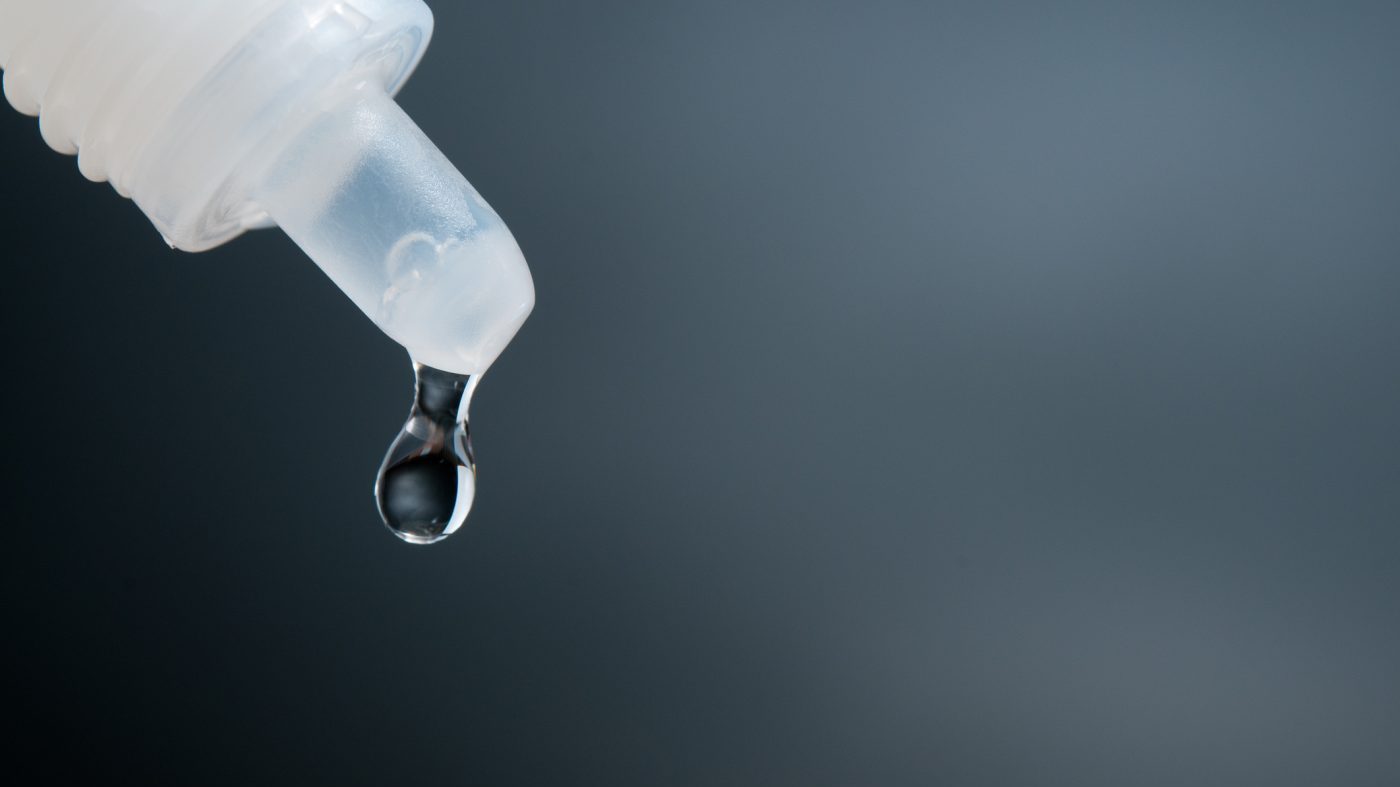
The Food and Drug Administration has announced a significant voluntary recall affecting more than 3.1 million bottles of lubricant eye drops distributed across the United States. The action, initiated by California-based K.C. Pharmaceuticals, centers on a failure to guarantee product sterility, posing potential health risks to consumers.
The agency has classified this as a Class II recall, indicating that use of or exposure to the violative product may cause temporary or medically reversible adverse health consequences. The eye drops were distributed through a wide network of national retailers, including Kroger, Walgreens, H-E-B, and Military Exchanges, making them widely accessible to the public.

Scope of the Recall
The recall encompasses eight different product lines under various labels, totaling over 3.1 million individual units. According to the FDA enforcement report, the specific products and quantities include 182,000 bottles of Sterile Eye Drops AC, 303,000 bottles of Eye Drops Advanced Relief, and over 1 million bottles of Dry Eye Relief Eye Drops. Other affected products are Ultra Lubricating Eye Drops (245,000 bottles), Sterile Eye Drops Original Formula (378,000 bottles), Sterile Eye Drops Redness Lubricant (315,000 bottles), Sterile Eye Drops Soothing Tears (74,000 bottles), and Artificial Tears Sterile Lubricant Eye Drops (590,000 bottles).
K.C. Pharmaceuticals initiated the recall on March 3, with the FDA formally classifying it on March 31. The agency is advising consumers to check lot and UPC codes against its online enforcement report and to discontinue use of the products immediately.
A Pattern of Product Safety Failures
This recall represents the latest in a concerning series of FDA actions targeting over-the-counter eye care products. Earlier this year, another manufacturer recalled eye drops due to the presence of glass-like particles. In 2024, a separate recall was issued for drops possibly contaminated with fungus that could cause vision damage, while another was blamed on unsafe manufacturing practices.
These repeated incidents highlight ongoing challenges in the regulatory oversight of consumer health products and raise questions about manufacturing quality control across the pharmaceutical supply chain. The FDA has recently escalated other major consumer safety actions, including a Class II recall for Trader Joe's over glass contamination in food products.
Regulatory and Political Context
The recall occurs against a backdrop of heightened scrutiny of federal regulatory agencies and their enforcement capabilities. Consumer product safety, particularly in healthcare-adjacent markets, remains a persistent policy challenge. The scale of this recall—affecting products sold through major national chains—underscores the potential for widespread public health impact from manufacturing lapses.
This incident may fuel broader political debates about the adequacy of current regulatory frameworks and enforcement resources. Similar concerns about government accountability and oversight are evident in other domains, as seen when Congressman Jamie Raskin demanded Justice Department documents concerning a controversial settlement payment, warning of patterns that could undermine institutional integrity.
The functioning of federal health and safety agencies often intersects with political dynamics, especially during periods of administrative transition or congressional scrutiny. While this recall appears driven by specific manufacturing failures rather than political factors, it contributes to an ongoing narrative about product safety and regulatory vigilance that resonates in the current policy environment.
Consumers who have purchased any of the affected products should stop using them and consult the FDA website for specific lot numbers and return instructions. Those experiencing adverse reactions should contact their healthcare provider and report the incident to the FDA's MedWatch program.