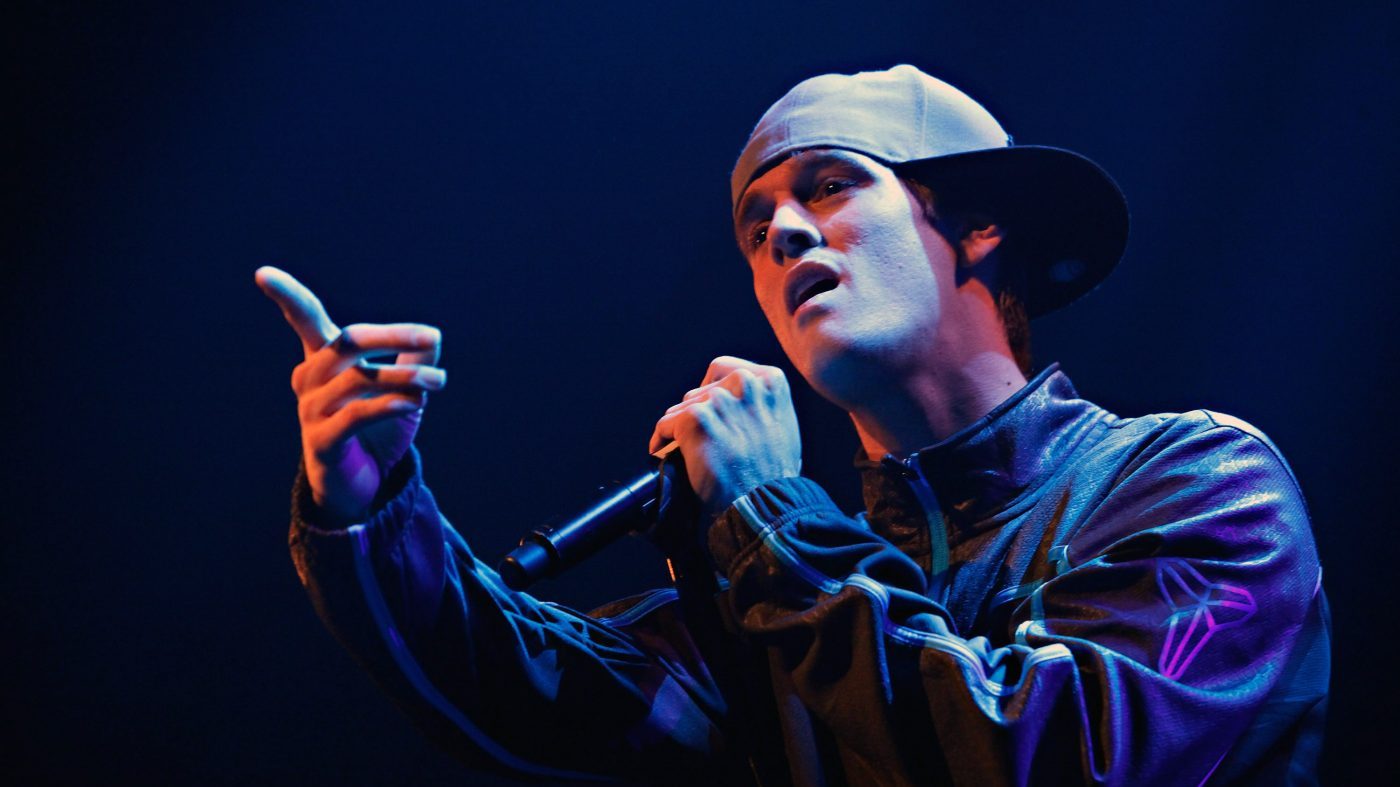
The family of the late pop singer Aaron Carter has turned to public fundraising in an effort to secure a permanent memorial on Hollywood's most famous sidewalk. Jane Carter Schneck, Carter's mother, launched a GoFundMe campaign this week with the stated goal of financing a star on the Hollywood Walk of Fame to honor her son's legacy.
Campaign Details and Rationale
The fundraising page outlines that contributions will be used to cover the substantial costs associated with the star's creation, its installation ceremony, and its long-term maintenance. In a statement on the page, Schneck framed the effort as a collective endeavor by fans and supporters. "We are coming together as fans, friends, and supporters to honor Aaron Carter's legacy," the statement reads. It further appeals for donations of any size and emphasizes that sharing the campaign is equally valuable.
The initiative follows the singer's death in November 2022 at age 34. The Los Angeles County Medical Examiner-Coroner ruled the death an accidental drowning in his bathtub, with the effects of sedatives and gas inhalation listed as contributing factors. Carter had been public about his past struggles with substance use, including an admission in a 2019 interview that he used inhalants.
Context of Celebrity Memorials and Public Funding
The campaign enters a complex landscape where public sentiment, family initiatives, and institutional processes for posthumous honors intersect. The Hollywood Walk of Fame, administered by the Hollywood Chamber of Commerce, has a formal nomination and selection process. While a community-funded campaign can demonstrate popular support, it does not guarantee selection, as the Chamber's committee makes final decisions based on professional achievements and contributions to the entertainment industry.
This public approach to funding a memorial spotlights broader questions about how society commemorates cultural figures, particularly those whose careers were marked by both significant popularity and personal turmoil. It also reflects a modern trend where digital platforms enable direct fan engagement in legacy projects, bypassing traditional industry gatekeepers.
As of its launch, the campaign had garnered modest traction, raising just under $900 toward its unspecified goal. The success of such efforts often depends on sustained visibility and the mobilization of a dedicated fanbase.
Broader Political and Cultural Parallels
The dynamic of public fundraising for a specific commemorative goal finds echoes in other political and policy arenas. For instance, debates over public funding and memorialization are not confined to entertainment. Similar discussions arise around public expenditures for major events, where officials must balance civic pride with fiscal responsibility.
Furthermore, the effort to cement a legacy posthumously intersects with ongoing political narratives about reputation and remembrance. This is akin to the intense focus on legacy that surrounds major political figures, where actions are often weighed against their lasting historical impact. Current political discourse frequently grapples with these themes, as seen in analyses of how perceptions of a candidate's character can shape electoral opportunities for opponents.
Ultimately, the campaign for Carter's star is more than a simple fundraising effort; it is a public test of enduring cultural relevance. It measures whether the memory of an artist, whose life was as widely chronicled for its challenges as for its music, can mobilize the resources required for one of entertainment's most conventional yet coveted honors. The outcome will signal the strength of his legacy in the collective consciousness of his audience.