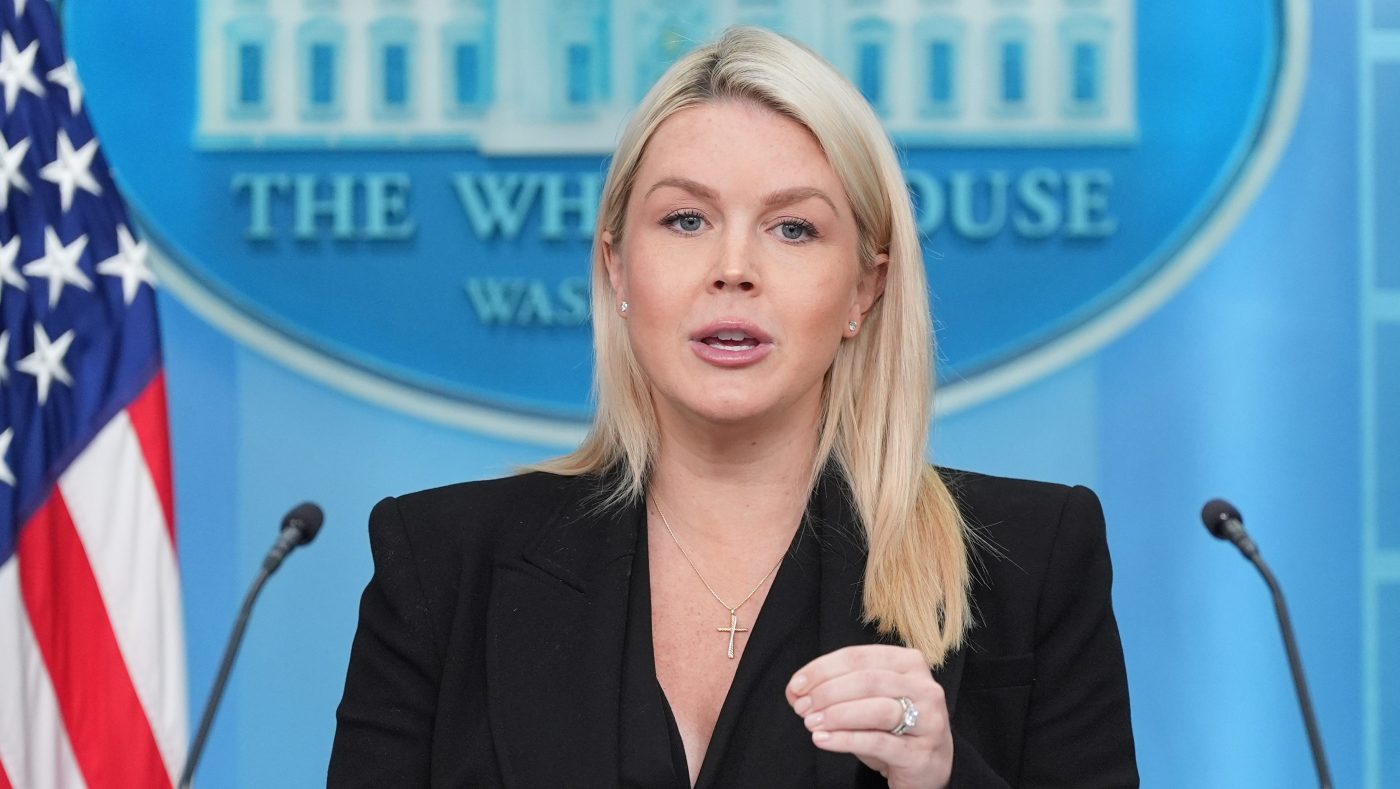
Former Trump communications aide Mike Dubke said Wednesday that he is "very surprised" by the sudden departure of White House press secretary Karoline Leavitt, noting that her exit comes without an announced successor — an unusual break from standard practice in presidential press shops.
"I'm very surprised by it, because generally, when you have a transition from one press secretary to the other, you've got somebody waiting in the wings, or maybe a deputy that can step in," Dubke said on CNN's "The Arena," in comments highlighted by Mediaite. He pointed to the period when Leavitt was on maternity leave, during which the briefing room saw "a rotating cast of characters" filling in, but no permanent deputy was elevated.
Dubke, who served briefly as White House communications director under Trump in 2017, added a rare note of credulity about the stated reason for her exit. "I guess, the one thing I would say, this is the one time in politics where I truly believe someone when they say, 'I want to spend more time with my family,'" he said.
President Trump announced Leavitt's departure in a Truth Social post on Wednesday, praising her as "our wonderful White House Press Secretary, and one of my most trusted aides." He said she would leave at the end of the month "so she can spend more time with her beautiful young children and family," a decision he said he "totally understand[s] and respect[s]."
Leavitt, who became the youngest press secretary in White House history at 27, confirmed the move in a post on X, calling the role "the honor and adventure of a lifetime." She wrote that after returning from maternity leave, she "felt in my heart that I cannot be the best mom my two young children deserve while devoting the constant time, energy, and attention required of the White House Press Secretary," describing her decision as "bittersweet" and signaling a "new chapter" ahead.
The announcement has fueled speculation about who might step into the high-profile role, which has seen frequent turnover during Trump's presidencies. The lack of a named successor stands in contrast to the typical handoff, where a deputy or communications aide is often groomed for the position. During Leavitt's maternity leave, deputies and other officials rotated through the briefing room, but none emerged as an obvious heir apparent.
Leavitt's tenure was marked by a combative style with the press corps and a close alignment with Trump's messaging. Her exit comes amid broader White House staffing shifts and as the administration faces a range of challenges, including sagging approval ratings and shifting foreign policy tactics. Some observers have linked the departure to internal dynamics, though no evidence has emerged of friction.
Political analysts note that the press secretary's role is pivotal in shaping the administration's public message, and a vacancy could leave a communications vacuum at a critical moment. Dubke's surprise underscores the unusual nature of the move, as does the absence of a clear successor within the current communications team.
Leavitt's next steps are unclear, but her statement suggests she intends to focus on family life. Her departure will take effect at the end of the month, leaving the podium open for whoever Trump ultimately taps to fill the role.