
The recent migrant surge at Spain's North African enclave Ceuta—where 72,000 people crossed from Morocco in days—has triggered a swift political crisis. Italy temporarily closed its borders to travelers from Spain, and Madrid retaliated, straining the European Union's cherished freedom-of-movement principle. The episode highlights a profound irony: while Europeans hold Trump in low regard, their immigration policies are drifting toward his playbook.
Trump's rhetoric about restoring global respect resonates little in Europe. Polls show that in 2022, every Western European nation viewed the U.S. as a reliable partner; today, only Hungary and Poland do. A recent 36-country survey found 25 nations—including Germany, France, Spain, and Italy—prefer China over the U.S. Favorability ratings for Trump are dismal: 13% in the U.K., France, and Spain; 9% in Italy; 8% in Germany; and 4% in Denmark. His tariffs, threats on Greenland, NATO criticisms, and insults to European leaders have fueled this alienation.
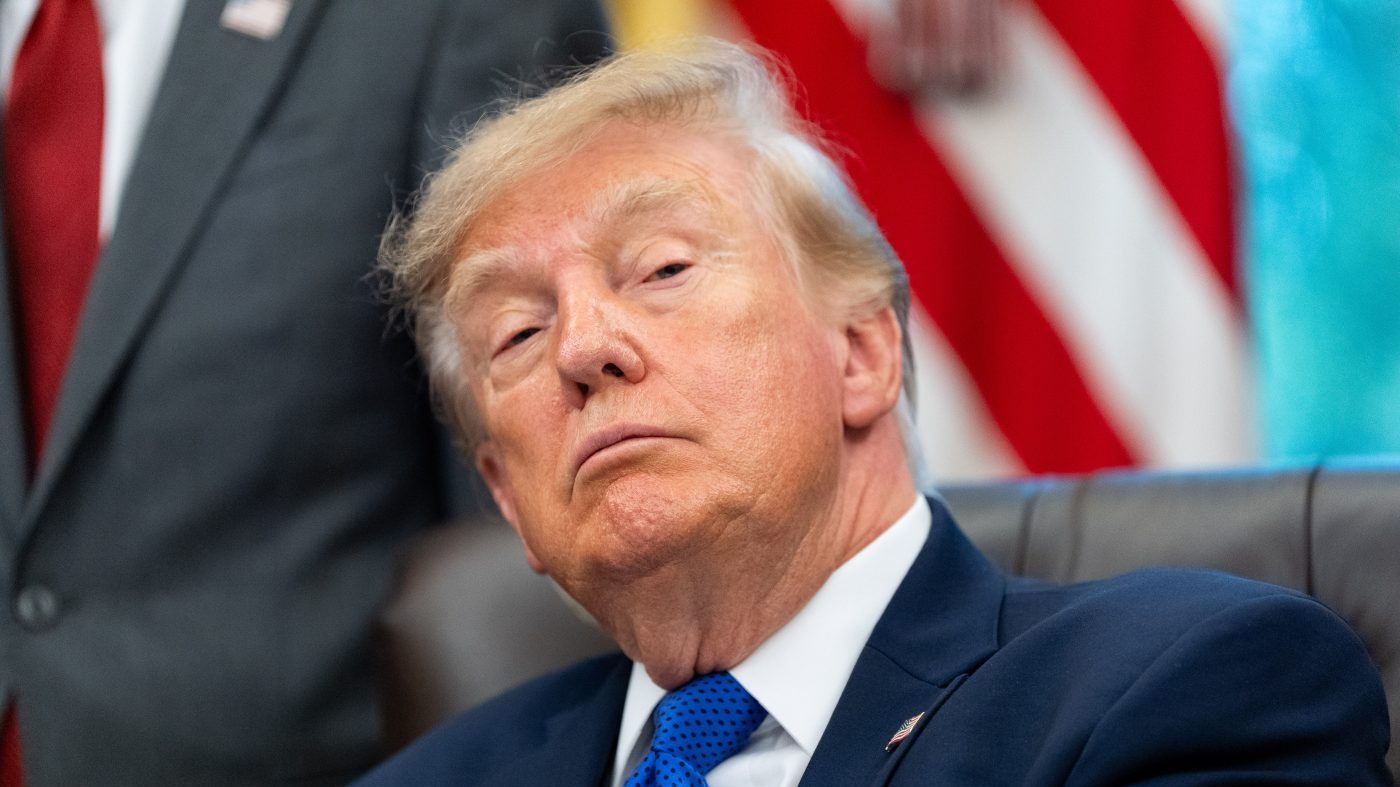
Yet on immigration, right-wing parties have adopted Trump's tactics to mobilize populist anger against mainstream elites. In France, Marine Le Pen's National Rally leads ahead of next April's presidential election, framing immigration as an existential threat and proposing quotas and "national priority" for citizens. Germany's Alternative for Germany (AfD), classified as right-wing extremist by domestic intelligence, advocates mass deportations and warns of Muslims as a "great danger"—and it now outpaces Chancellor Merz's party in polls.
In Britain, Nigel Farage's Reform UK calls immigration "a scourge" and blames it for economic woes. Farage has promised to bar foreigners from public housing and welfare, and his party has led polls for months, though recently slipping to second behind Labour under new PM Andy Burnham. Farage's support for Trump is a liability; voters cite it as a top reason not to back Reform.
Mainstream and even left-leaning leaders are responding by tightening asylum rules and border controls. Denmark's social-democratic PM suggested excluding Spain from the Schengen Area, while Chancellor Merz demanded Morocco "take back illegal migrants immediately." This convergence reflects electoral pressure, yet ironically, illegal border crossings into Europe are far lower than a decade ago.
Immigration has become a proxy for anxieties about identity, economic insecurity, and elite disconnect—just as in the U.S. Trump has weaponized these fears, scapegoating immigrants as criminals and treating opponents as enemies. Europeans reject Trump personally, but they risk embracing his signature policy without recognizing its consequences. As leaders like Trump pushes anti-crime narratives, Europe's own political calculations may lead it down a similar path, with profound implications for its values and unity.