Nearly five years after the Taliban seized power in Afghanistan in August 2021, one fact should be undisputed: the country is not safe for anyone forcibly returned there. Yet governments that publicly condemn Taliban atrocities are increasingly engaging with the regime on migration and return policies, risking the lives of vulnerable Afghans and legitimizing a government responsible for crimes against humanity.
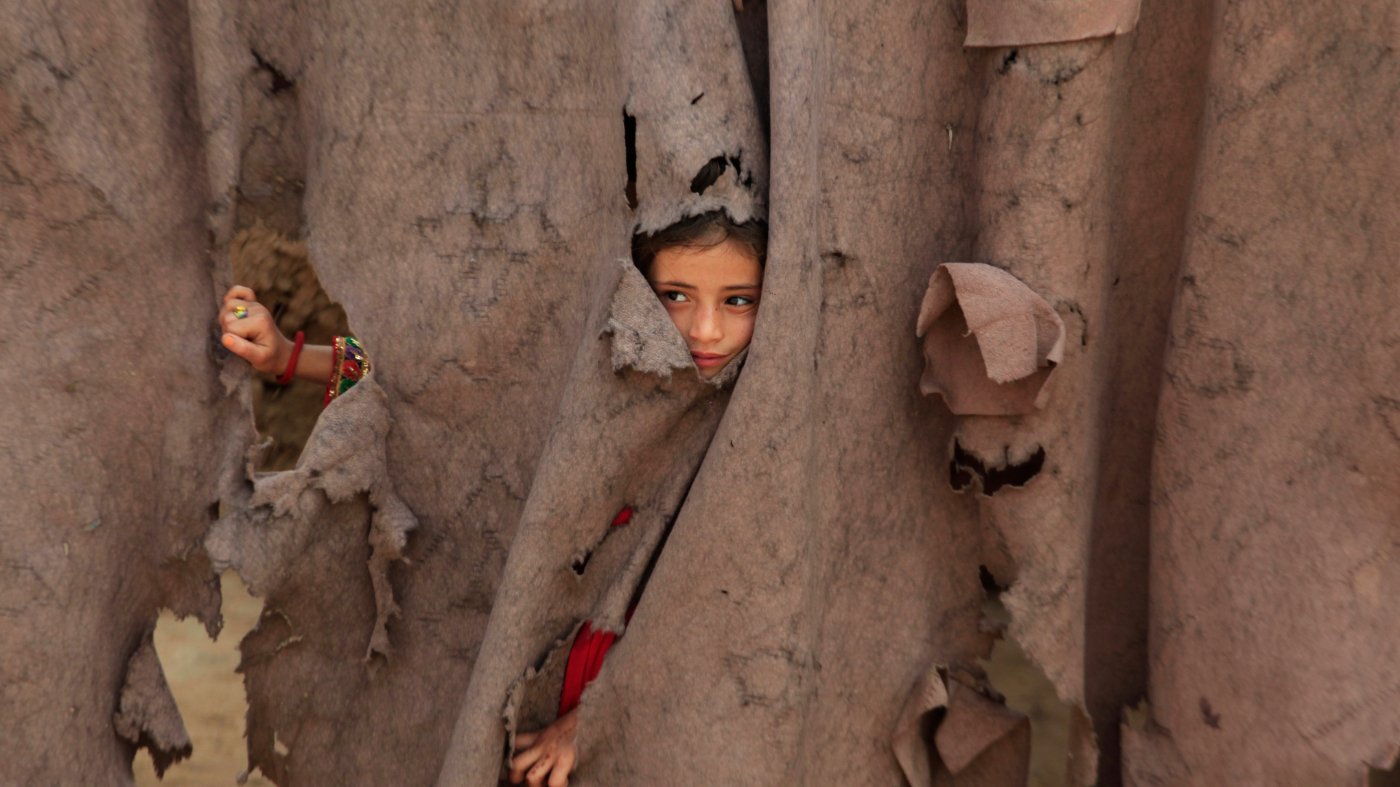
Afghanistan remains one of the world's worst human rights crises, with women and girls bearing the brunt. It is the only country where girls are barred from education beyond sixth grade. Women have been pushed out of public life and face severe employment restrictions. Anyone perceived as dissenting—regardless of gender—lives under constant threat of arbitrary detention and torture.

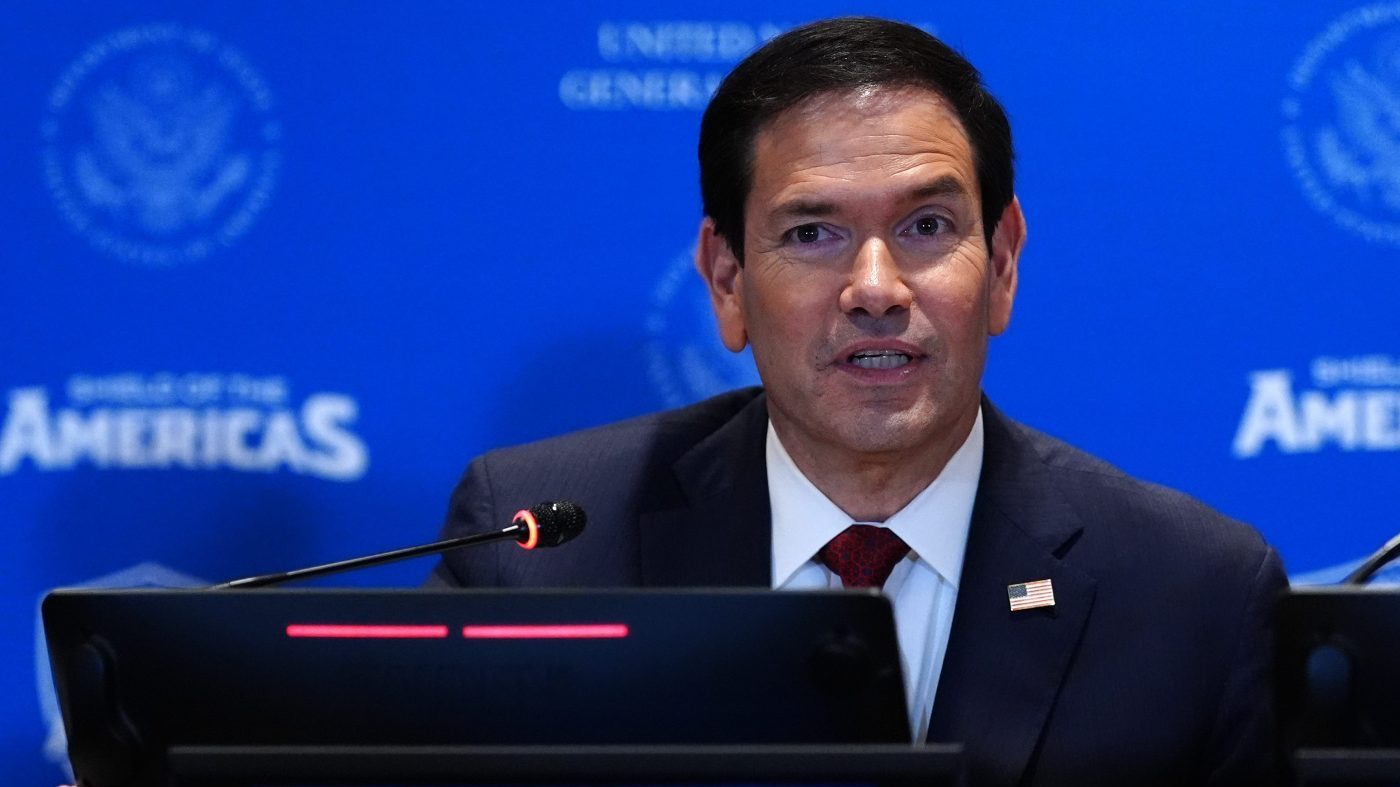
The most troubling development is not just the brutality inside Afghanistan, but the growing willingness of Western governments to act as if these realities carry no consequences. On June 22, European Union officials hosted a Taliban delegation in Brussels for the first time since the takeover, to discuss migration and returns. Germany has already resumed deportations and allows Taliban officials to provide consular services in Berlin and Bonn. The United Kingdom has signaled it may negotiate with the Taliban over returns, watching similar debates unfold across Europe.
Reports indicate that the United States has pressured Afghans evacuated to camps in Qatar to choose between forced returns or uncertain relocation elsewhere. Washington has also ended Temporary Protected Status for Afghans and halted processing of other protection categories. The message is clear: return voluntarily, or face deportation.
United Nations human rights chief Volker Türk and U.N. special rapporteur on Afghanistan Richard Bennett have warned against deportations, stressing that returns would violate human rights law and the principle of nonrefoulement. The U.N. Refugee Agency has cited substantial obstacles to a "safe and dignified return." That principle is foundational: no one should be sent to a place where they face persecution, torture, or serious harm.
The near absence of robust human rights monitoring inside Afghanistan means returnees cannot report the truth of their situation. Human Rights Watch has documented cases of forced returnees being arbitrarily detained and tortured by the Taliban. A former security officer deported from Pakistan told HRW that upon return, the Taliban detained and tortured him for two months. "They would cover their faces and beat me every night," he said. "Then they would take me out of my cell, put me in a car, and tell me they were taking me to my 'death place.' For two months, every night, I expected to be killed." He also said many of his colleagues had been detained and disappeared. He now lives in hiding in Afghanistan.
Governments cannot pretend their deportation policies are separate from human rights policy. Most Western governments continue to harshly criticize the Taliban's record in international forums. The EU led the creation of a U.N. Human Rights Council investigative mechanism to collect evidence of abuses. Germany, the Netherlands, Australia, and Canada are pursuing an initiative to hold the Taliban accountable under the Convention on the Elimination of All Forms of Discrimination against Women. Yet it is the height of hypocrisy to condemn Taliban abuses in one breath and cooperate in sending people back to them in the next. Many of these governments were deeply involved in Afghanistan for two decades and owe a debt to Afghans who worked with them or in projects they supported.
Migration deals will relieve pressure on the Taliban and send a dangerous message to abusive governments worldwide: no range of rights abuses will stop deals, even at the expense of the most affected. Countries should not normalize engagement without clear, measurable human rights benchmarks, and they should not deport Afghans to a country where persecution is systematic and well documented. The EU, U.K., U.S., and others considering this path should take stock of this harsh reality: no one should be sent to live in an Afghanistan ruled by the Taliban.
Fereshta Abbasi is the Afghanistan researcher at Human Rights Watch.