As the midterm elections loom, Democratic strategists are advising their candidates to hammer Republicans on three fronts: the economy, the seemingly endless conflict in Iran, and government ethics. The latter has become a potent issue, with a string of sexual misconduct allegations and financial scandals tainting members of both parties. While the economy remains the top concern for voters, ethics could tip the balance in tight races, especially as the public grows weary of perceived corruption in Washington.
Bipartisan Effort to Streamline Ethics Process
In response, a bipartisan duo—Rep. Kat Cammack (R-Fla.) and Rep. Teresa Leger Fernandez (D-N.M.), who chair their respective parties' women's caucuses—is preparing to present recommendations to the House when it reconvenes next month. Their goal is to make the ethics process more efficient and accessible for staffers to report violations. Speaker Mike Johnson (R-La.) and Minority Leader Hakeem Jeffries (D-N.Y.) have both endorsed the effort, giving it significant institutional weight. However, some House members remain skeptical, fearing that reforms could open the floodgates to frivolous or politically motivated complaints.
The Challenge of Balancing Due Process and Accountability
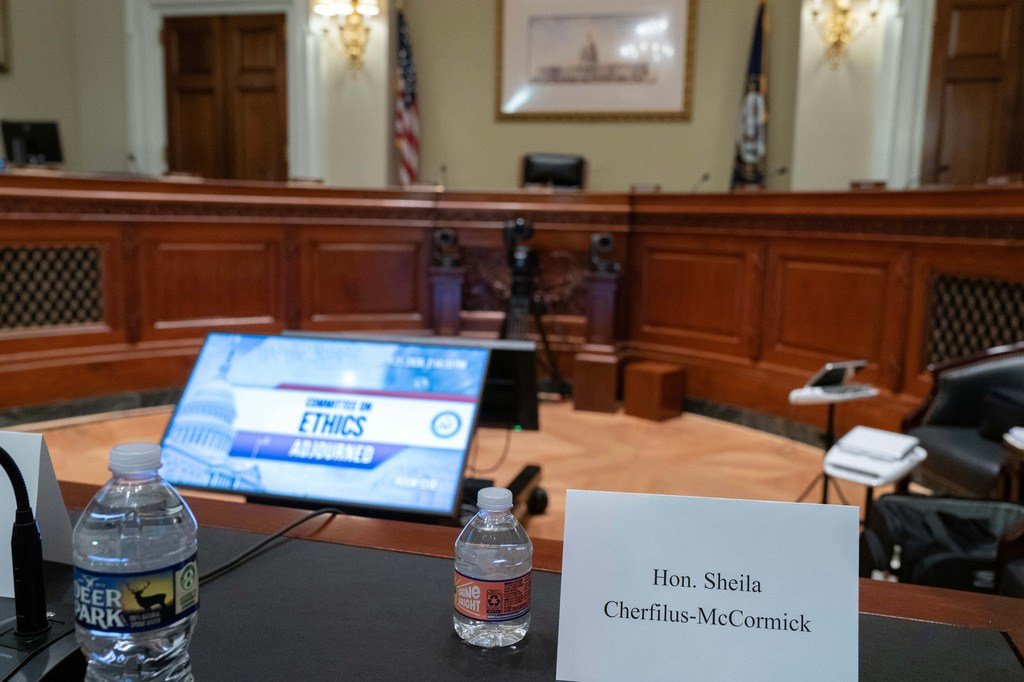
The Ethics Committee has long struggled to balance thorough investigations with protecting accused members' rights. Over the years, built-in safeguards have created a backlog of unresolved complaints, making timely action difficult. The committee's jurisdiction also ends when a member resigns, as seen in the rare exception made for former Rep. Matt Gaetz (R-Fla.), who resigned in November 2024 after being nominated for attorney general. Despite withdrawing his nomination, the committee still issued an adverse report on his conduct—a move that underscored the political sensitivities involved.
Insider Trading Bill: More Holes Than a Bag of Donuts
In late July 2026, House Republicans attempted to inoculate themselves on ethics by passing a bill to bar members and their families from insider stock trading. But the legislation, which passed 232-198 with only 13 Democrats in favor, was widely criticized as toothless. It emerged from the House Administration Committee on a party-line vote and is expected to die in the Senate. Critics argue the bill's loopholes render it ineffective, sending mixed signals about lawmakers' seriousness in policing themselves.
The ethics wars are not new, and past reform efforts have often yielded more process than progress. As one veteran congressional staffer once lamented, "Reform, reform, reform; that's all we hear. As if things weren't bad enough already." That cynicism is shared by many voters, who see little change in behavior despite repeated promises of reform.
Still, the bipartisan push by Cammack and Leger Fernandez offers a glimmer of hope. If successful, it could restore some public trust in Congress's ability to handle misconduct. But with the midterms approaching, the window for meaningful action is narrow. The pressure on the Ethics Committee to act swiftly is mounting, and the outcome of these efforts could influence voter perceptions in November.
For now, the political landscape remains volatile, with ethics joining the economy and foreign policy as decisive issues. Whether reform efforts will be seen as genuine or as political posturing remains to be seen, but the stakes are high for both parties.