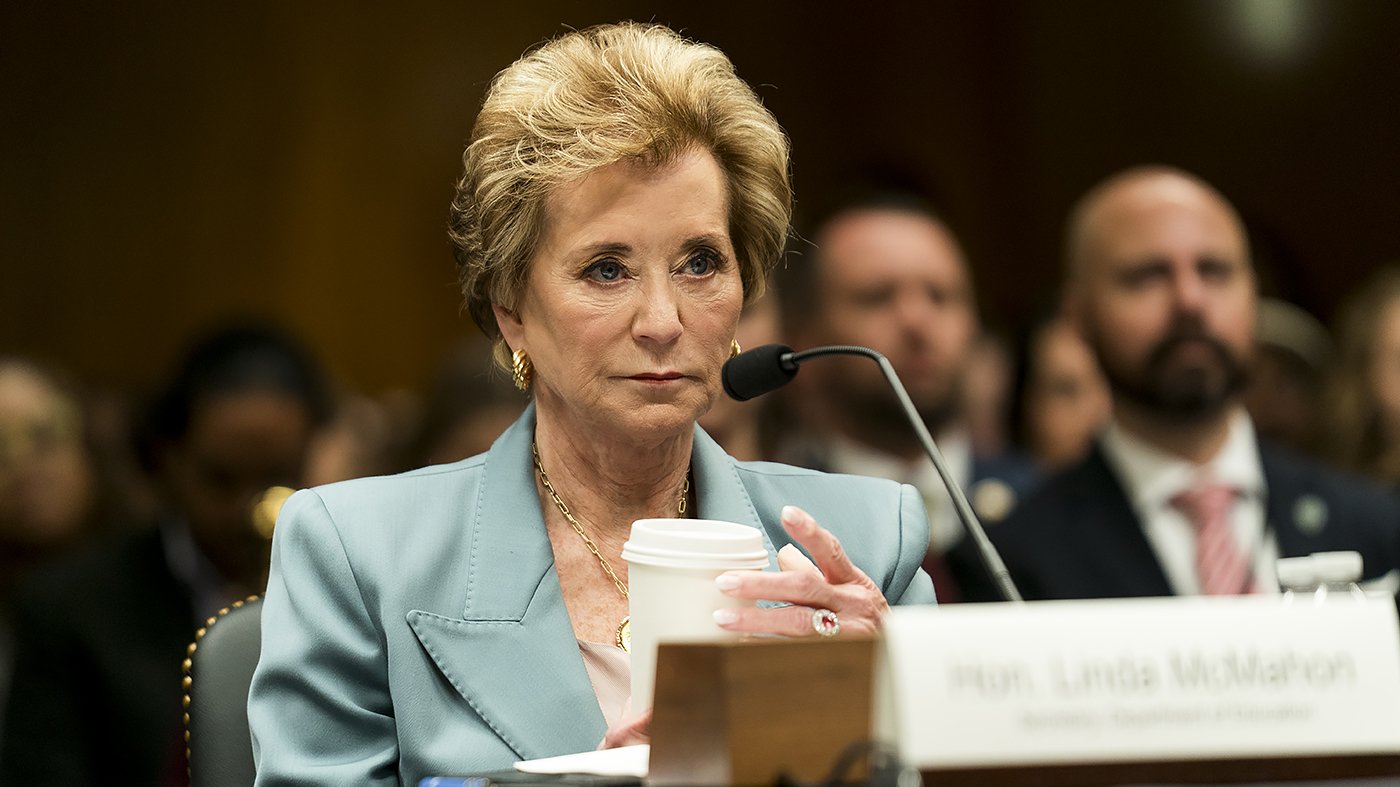
The Education Department on Thursday unveiled a temporary 1-percentage-point reduction in student loan interest rates for borrowers who sign up for automatic payments, a move aimed at improving repayment rates and shoring up the federal loan portfolio. The cut takes effect July 1 and runs through June 30, 2028, giving borrowers a limited window to lock in the benefit.
To qualify, borrowers must enroll in auto pay by September 30 of this year, unless they are already using the payment method. Those currently enrolled in auto pay, who already receive a 0.25-percentage-point discount, will see their rate drop by an additional 0.75 percent automatically — no action required on their part, the department said.
The policy comes as the Education Department seeks to reverse a sharp decline in auto-pay participation. Before the COVID-19 pandemic, more than 80 percent of actively repaying borrowers used automatic payments. As of Thursday, that figure had fallen to 40 percent, according to department data.
Under Secretary of Education Nicholas Kent urged borrowers to take advantage of the temporary cut. “No matter your age or college credential, we want to make sure that borrowers can understand their options and choose a repayment option that works best for them,” Kent said in a statement. “This interest rate reduction will help borrowers as they consider new, affordable repayment plans and work to repay their loans on time.”
Kent added that the department expects the reduction “to drive up repayment rates and significantly improve the health of the federal student loan portfolio.” The federal student loan system currently holds over $1.6 trillion in outstanding debt, with 42.8 million borrowers carrying balances, according to the Education Data Initiative. As of late last year, 10 percent of those loans were delinquent.
The rate cut arrives alongside broader changes to student loan repayment mandated by the One Big Beautiful Bill Act (OBBBA), signed into law by President Trump last July. Starting July 1, the department will phase out the Biden-era Saving on a Valuable Education (SAVE) Plan, after a federal appeals court ordered its elimination in March. The 7.5 million borrowers enrolled in SAVE will be able to switch to two new repayment options: the Repayment Assistance Plan (RAP) and the Tiered Standard Plan (TSP).
Under RAP, monthly payments are tied to a borrower’s income and number of dependents. TSP offers fixed repayment terms of 10, 15, 20, or 25 years, depending on the total loan balance. Both programs were created under OBBBA, which also imposes new caps on graduate and professional school loans starting July 1.
For borrowers repaying through EdFinancial Services who are not yet on auto pay, the department said they can switch by navigating to the “Payments and Billing” section and selecting “Auto Pay,” then linking a bank account.
The announcement comes amid heightened political scrutiny of student loan policy. Senator Elizabeth Warren has led Democratic colleagues in pressing credit bureaus over errors in student loan reporting, and the broader debate over debt forgiveness continues to simmer. The Trump administration’s push to restructure repayment — including the OBBBA-mandated changes — has drawn sharp partisan lines, with critics arguing the new plans offer less relief than the SAVE program.
Still, the department’s focus on auto pay enrollment signals a pragmatic effort to reduce defaults and improve collection rates, even as the political battle over student debt rages on.