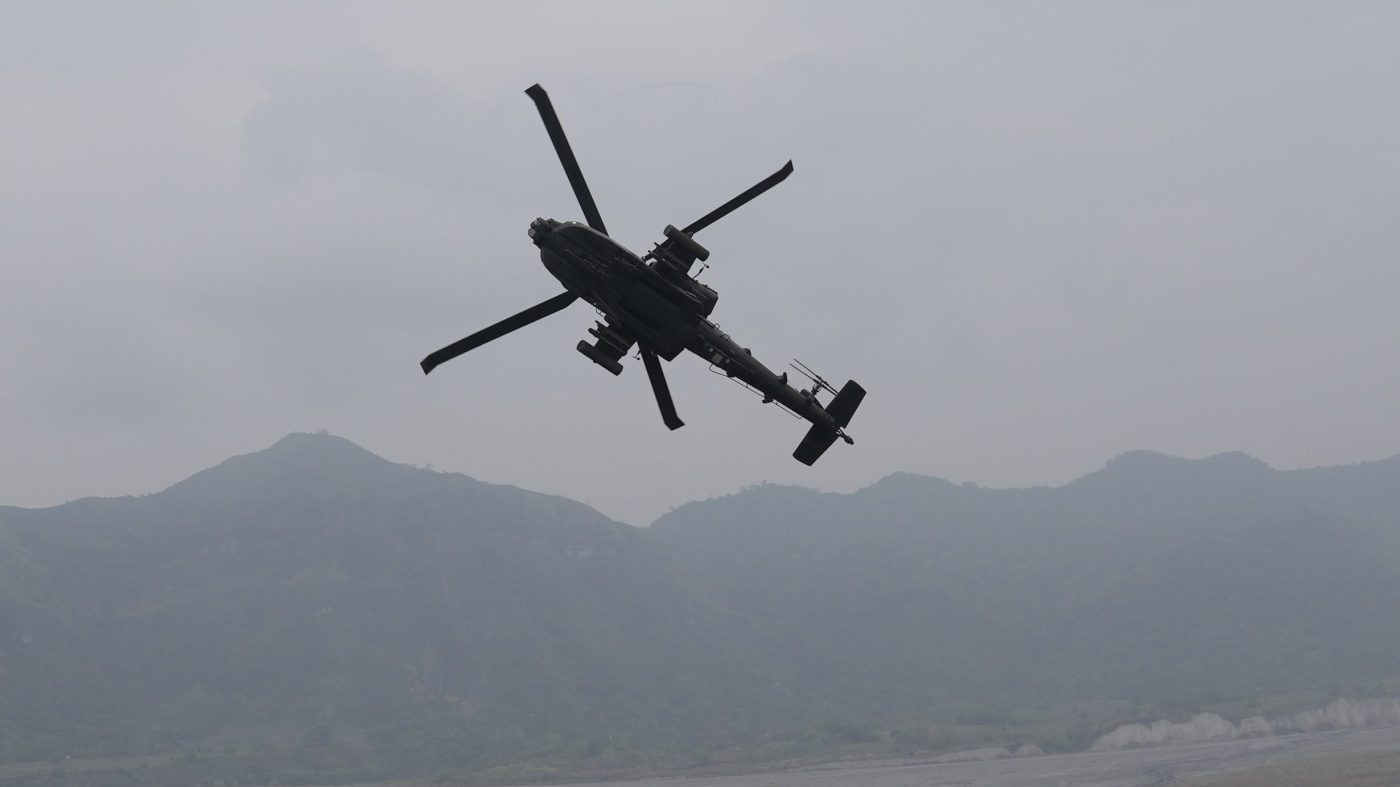
An unmanned U.S. Navy surface vessel rescued the two crew members of a downed U.S. Army AH-64 Apache helicopter late Monday near the Strait of Hormuz, marking the second known rescue of American service members during the ongoing conflict with Iran.
The Saronic Corsair, an unmanned surface vessel operated by the Navy’s artificial intelligence and drone task force, located the pilots in the waters off the coast of Oman and brought them aboard, according to Capt. Tim Hawkins, a spokesperson for U.S. Central Command (Centcom). The task force began deploying these drones in the Centcom region in late March, Hawkins said.
The two service members received medical care from U.S. forces on land and are in stable condition. President Trump confirmed Tuesday that the pilots are safe, telling reporters after attending Game 3 of the NBA Finals, “Nobody injured. We are going to issue a report tomorrow. But the pilots are fine.”
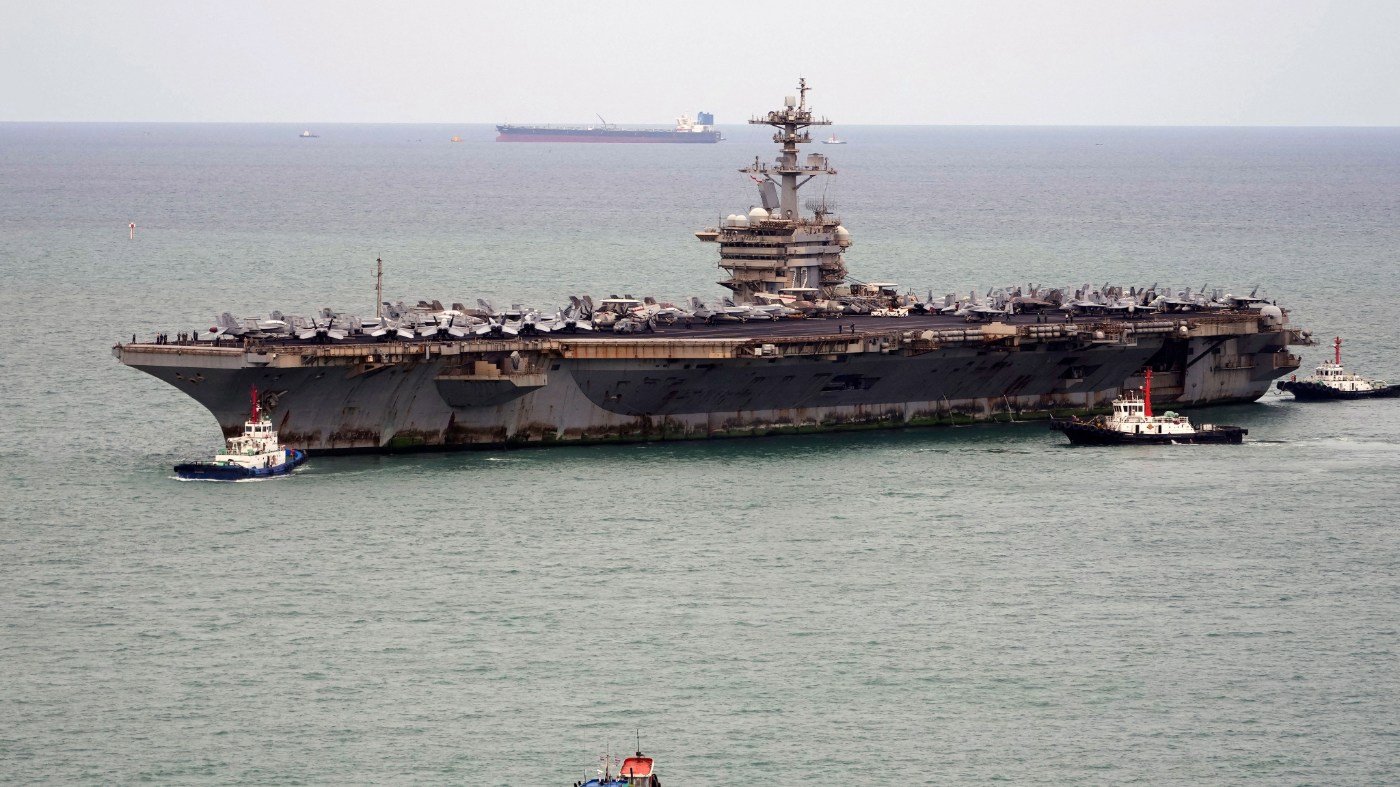
Trump also said Iran shot down the helicopter and vowed to respond. In a post on Truth Social, he wrote, “Nevertheless, the United States must, of necessity, respond to this attack.” The accusation escalates tensions in the region, where the U.S. maintains a naval blockade to prevent Iranian crude oil shipments through the waterway.
The rescue operation was led by U.S. Naval Forces Central Command and the Army’s 82nd Airborne Division, with support from Air Force and Navy units, including the U.S. 5th Fleet’s Task Force 59. The naval blockade remains active as Trump weighs a potential deal with Tehran.
Task Force 59, established in 2021 and headquartered in Bahrain, is the Navy’s first unmanned and artificial intelligence task force, integrating AI and advanced robotic systems into maritime operations. The Corsair drone involved in Monday’s rescue is part of that effort.
Apache helicopters are a key component of the U.S. naval blockade in the Strait of Hormuz, targeting vessels carrying Iranian crude oil. This incident follows the downing of an F-15E Strike Eagle by an Iranian anti-aircraft missile in April, whose two crew members were also rescued.
Centcom said Tuesday that the rescue was a joint effort, underscoring the growing role of unmanned systems in combat operations. The successful recovery of the Apache crew highlights the military’s reliance on AI and drone technology in high-risk environments.