Federal Grand Jury Targets Civil Rights Monitor
The Justice Department has leveled serious criminal charges against one of the nation's most prominent civil rights organizations. A federal grand jury returned an 11-count indictment against the Southern Poverty Law Center (SPLC), alleging the group committed bank fraud, wire fraud, and conspiracy to commit money laundering through a now-discontinued program that employed paid informants to infiltrate extremist groups.
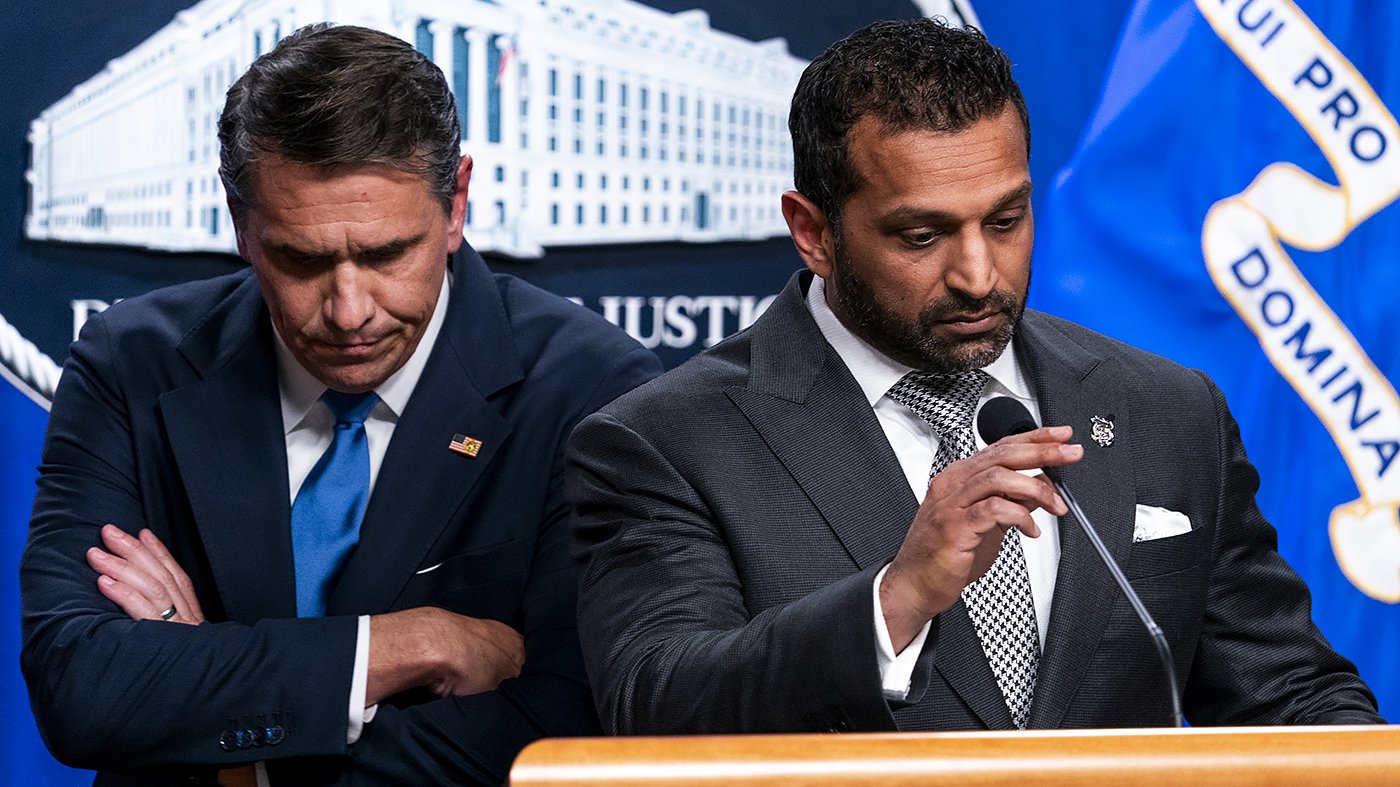
Acting Attorney General Todd Blanche announced the charges Tuesday, asserting the SPLC engaged in a deliberate scheme to conceal payments that ultimately funded the very extremist networks it publicly claimed to combat. "To that end, it was doing the exact opposite of what it's told its donors. It was not dismantling extremism, but funding it," Blanche stated during a press conference. He specifically accused the organization of "paying sources to stoke racial hatred."
Allegations of Concealed Funding
The 14-page indictment details how the SPLC allegedly created bank accounts for at least five fictitious organizations with no legitimate business purpose to funnel money. Prosecutors claim one informant alone received $270,000 over eight years, with funds eventually reaching "various violent extremist group leaders." Blanche emphasized that while using paid informants is not inherently illegal, the SPLC's alleged failure to disclose these expenditures to donors violated its non-profit transparency requirements. "In no fundraising efforts that the investigation found, did they say, 'Oh, and by the way, we're going to give a million bucks to the Ku Klux Klan.' So that's fraud," he argued.
The indictment traces informant activities related to monitoring the planning of the 2017 Unite the Right rally in Charlottesville, neo-Nazi organizations, the Ku Klux Klan, and other white supremacist groups. The SPLC has long been a target of conservative criticism for its work monitoring extremist organizations, including groups like Turning Point USA. This legal action follows the FBI's decision last October to sever its ties with the SPLC, with then-Director Kash Patel labeling the organization a "partisan smear machine."
SPLC Mounts Vigorous Defense
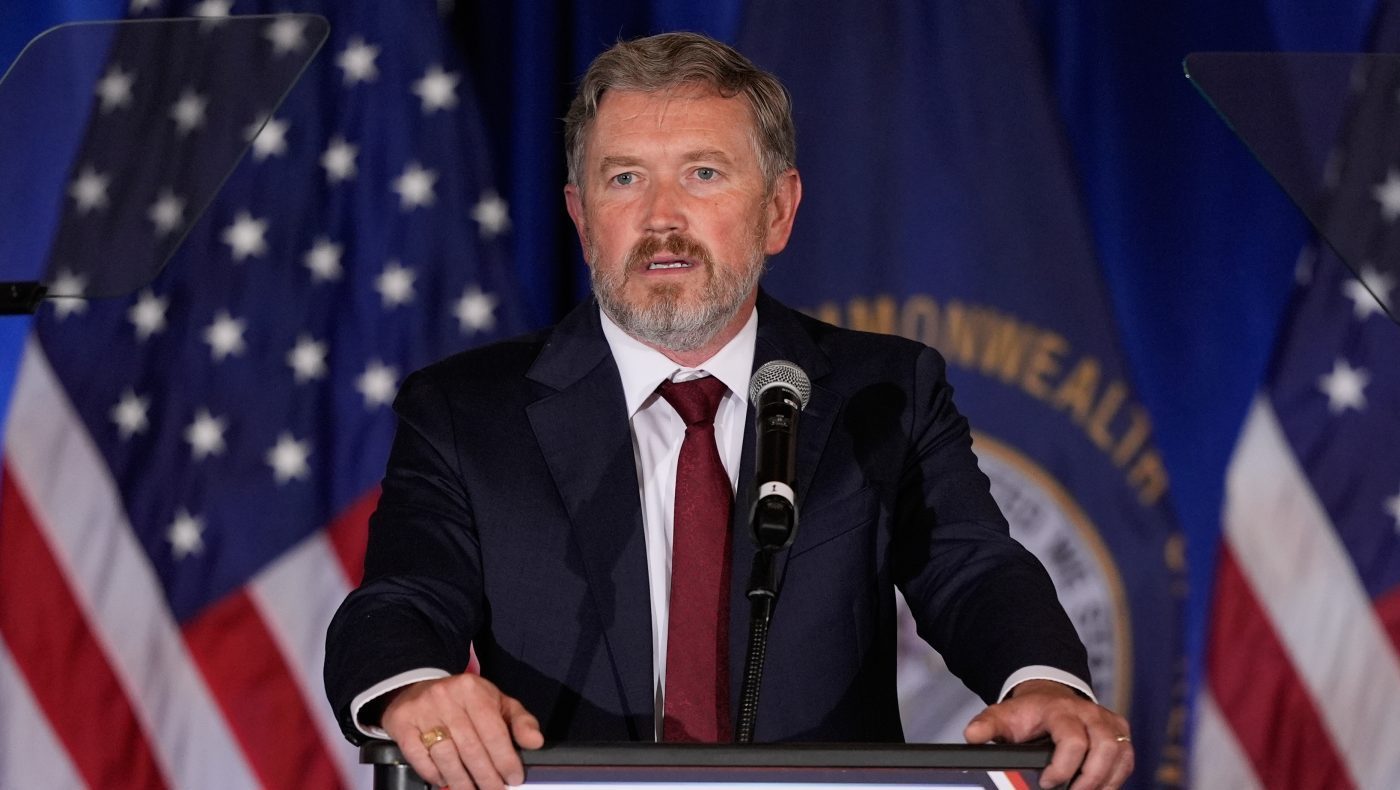
Interim CEO and President Bryan Fair issued a forceful denial, calling the allegations "false" and "outrageous." In a statement and a pre-recorded video address released ahead of the indictment, Fair defended the informant program as lifesaving work. "Taking on violent hate and extremist groups is among the most dangerous work there is, and we believe it is also among the most important work we do. To be clear, this program saved lives," Fair stated. He argued the program operated during a period when "bombings of churches and the murder of activists went unanswered by the justice system."
Fair emphasized the SPLC's 55-year history fighting white supremacy and injustice, vowing to contest the charges vigorously. "The actions by the DOJ will not shake our resolve to fight for justice," he said. The organization confirmed it no longer uses paid informants but maintained the intelligence gathered was critical. The SPLC's broader work includes voting rights litigation and criminal justice reform advocacy, areas where it has frequently clashed with federal and state authorities.
Broader Legal and Political Context
The case arrives amid heightened political tensions surrounding law enforcement priorities and non-profit accountability. The Justice Department under the current administration has pursued several high-profile fraud cases involving organizations, including recent actions against political figures. For instance, the legal scrutiny mirrors other fraud allegations against public officials, such as the House Ethics Committee's pending decision on sanctions for Rep. Sheila Cherfilus-McCormick in a separate FEMA fraud case.
Blanche indicated the investigation remains active and that individuals within the SPLC could face charges later. The case presents a complex legal battlefield, pitting claims of donor fraud against First Amendment-protected monitoring activities. It also tests the boundaries of non-profit operations in politically charged arenas, similar to debates over government outreach to advocacy groups on issues ranging from poverty policy to national security. The SPLC's future operations and donor base may be significantly impacted as this legal fight unfolds in court.